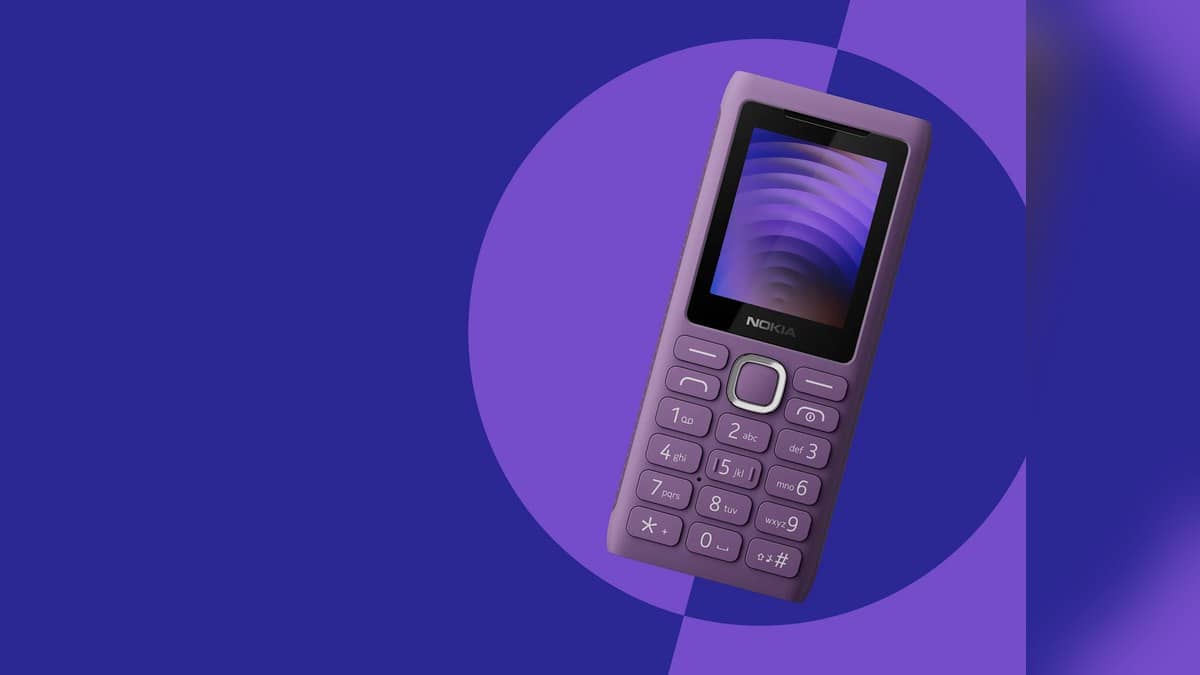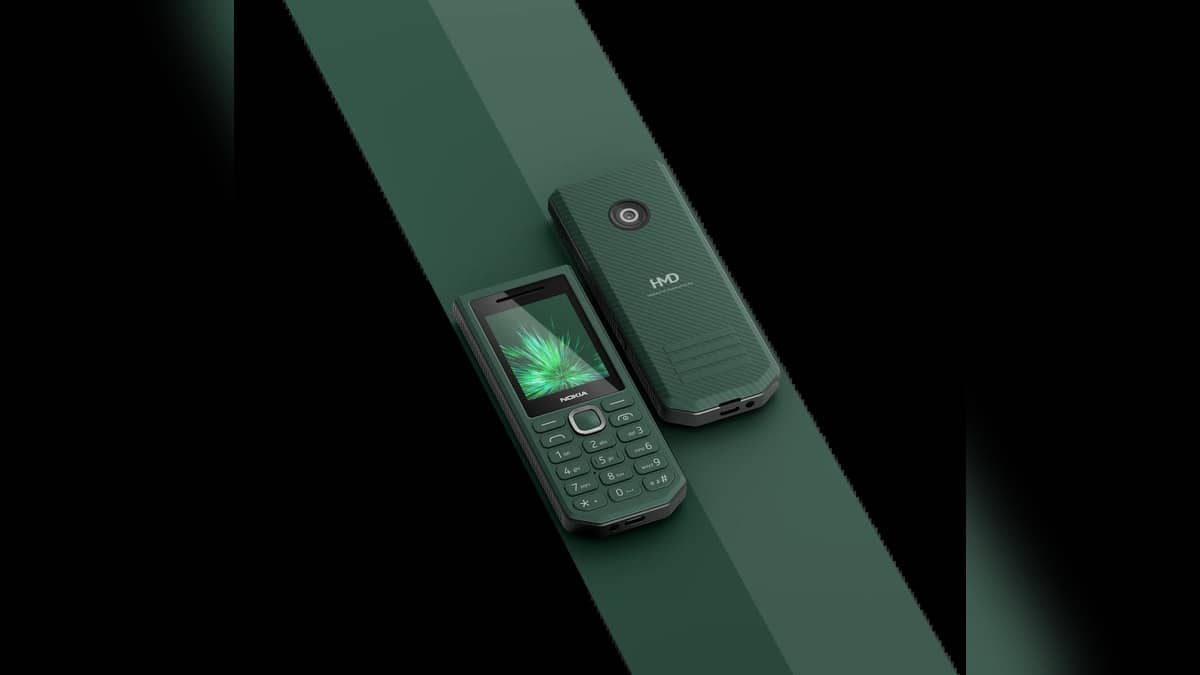

NEW DELHI: Nokia 123 Shield carries an IP65 rating, but HMD's official India page explicitly warns against charging it when its connectors are wet, damp or dusty. Listed at Rs 1,999, the feature phone is designed around outdoor durability. Understanding the care instructions is more useful than treating its protection claim as permission to ignore water.
| Item | Official detail |
|---|---|
| Listed price | Rs 1,999 |
| Protection rating | IP65 |
| Wet-device instruction | Dry carefully; do not charge with wet, damp or dusty connectors |
| Battery | 1,750mAh, removable |
| Display | 2.4-inch QVGA |
| Charging connector | USB Type-C |
| Network | 2G; GSM 900/1800 |
Price as of 28 October 2026, 23:49 IST. This explainer concerns the published resistance rating and handling instructions. It does not establish eligibility for a liquid-damage claim or promise a free replacement after an accident.
What to do after the phone gets wet
HMD says to dry the handset carefully and avoid connecting accessories while the connectors remain wet, damp or dusty. The company's warning applies even though this model is marketed for exposure to rain, sand and dust. Its rubber port seal is part of that outdoor design, rather than a reason to disregard the condition of the ports.
Picture the phone coming out of a pocket after a rainy commute, followed by an immediate attempt to plug it into a charger at home. The relevant check is the state of the connector at that moment. A protection badge on the box does not answer whether the port is ready for a cable. That is why the manufacturer's handling instruction deserves to travel with the phone when it is handed to another family member.
A laboratory rating has boundaries
The official footnote ties IP65 to testing commissioned by HMD under specified laboratory conditions and says resistance can decline through ordinary wear. Those qualifications are central to the claim. The product name does not describe permanent immunity from liquid damage, and the rating should not be turned into a general promise about every outdoor accident.
For someone working outside, the useful distinction is between a device designed to tolerate particular exposure and a guarantee that any incident will leave it unharmed. Mud, worn seals and an already damp connector present different questions from reading a badge in a shop. HMD's published instruction provides a clear response to the connector question without requiring the owner to recreate a test.
The rest of the phone remains deliberately simple
The specification sheet lists 4MB RAM and 4MB internal storage, a QVGA rear camera, dual Mini SIM slots and S30+ software. A microSD card of up to 32GB can expand supported storage, but is sold separately. There is also wired and wireless FM radio and a 3.5mm headphone jack.
These details put the rugged claim into perspective. This is a keypad handset with a small file store and a basic camera. Its protection features address handling and exposure; they do not add smartphone applications or change the network generation. A user needing a particular work app still needs to resolve that requirement independently of the IP rating.
Our Nokia 150 memory-card explainer examines another example of feature-phone storage. For simpler model distinctions, see the HMD 101 and HMD 100 comparison.
Durability and service terms answer different questions
Someone reporting a fault should describe what happened rather than assume that the word Shield settles the outcome. Resistance describes a product characteristic. A service assessment concerns the fault, the circumstances and the applicable terms. Keeping those questions separate prevents an IP claim from being mistaken for a replacement promise that has not been verified.
The related HMD 105 claim-preparation guide covers a different model's support paperwork. It should not be treated as confirmation of Nokia 123 Shield coverage. For this handset, the verified practical instruction is straightforward: protect the connectors, dry the device carefully after wetting and follow the published restriction before attaching a charger or accessory.
Official sources: Nokia 123 Shield product page and protection footnotes and technical specifications.