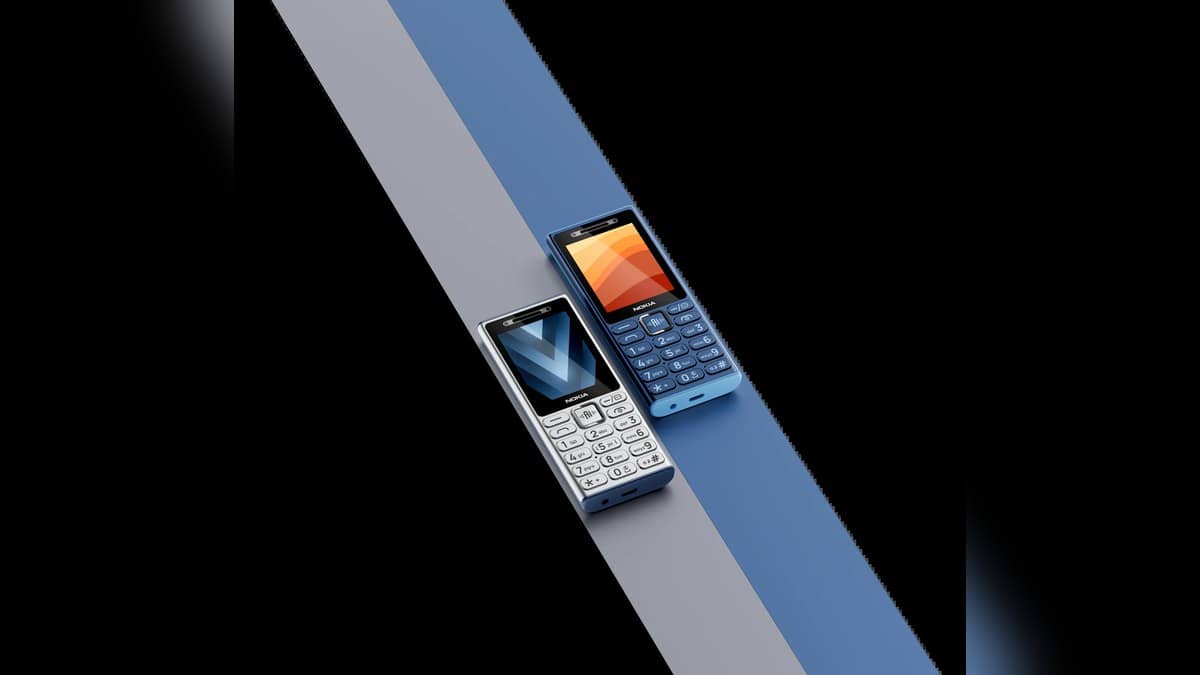
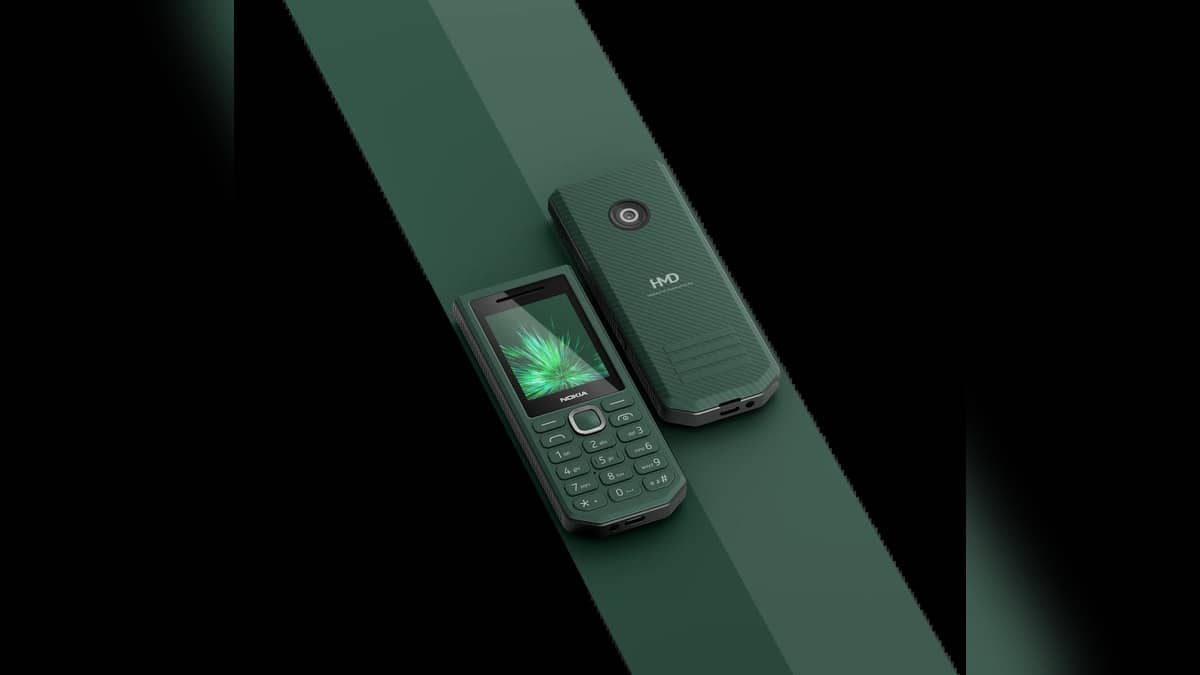
NEW DELHI: Nokia 300 Charge is listed at Rs 2,599 on HMD's official India website, with Rs 3,199 shown alongside as the reference MRP. The keypad phone combines a removable 3,700mAh battery with reverse charging, making battery sharing its defining feature. This is a check of the current official listing, rather than an announcement of a new price cut.
| Item | Official listing |
|---|---|
| Displayed configuration | 4MB RAM, 4MB storage |
| Listed price | Rs 2,599 |
| Reference MRP | Rs 3,199, inclusive of taxes |
| Battery | 3,700mAh, removable |
| Charging | 10W device charging and 10W reverse charging |
| Screen | 2.4-inch QVGA |
| Network bands | GSM 900/1800 |
Price as of 28 October 2026, 23:49 IST. The table records the configuration displayed on the product page. It does not assign separate prices to colour options or assume that a different memory version exists.
What the battery-sharing feature actually covers
HMD says the phone can supply power to compatible devices through an included multi-connector cable. Its compatibility note names Micro USB, USB Type-C and USB Type-A connections. Charging speed and operation depend on the connected product, its battery and its software, so the feature should not be read as a promise of identical results with every accessory.
The practical question is what happens to the calling phone while it supplies power elsewhere. For someone carrying the Nokia as a backup handset, sharing its battery creates a trade-off: energy sent to another device is energy no longer reserved for calls. That makes occasional top-ups a more useful way to understand the feature than treating the handset as an unlimited source of spare power.
A keypad phone with a specific network limitation
The specifications list a Unisoc SC6531E processor, S30+ software and dual Mini SIM slots. They give GSM bands rather than an LTE specification. The charging connector and reverse charging facility therefore should not be mistaken for evidence of a modern smartphone network platform.
This distinction matters when the handset is being considered for an existing family connection. A phone selected mainly for emergency calls still has to match the network serving that SIM. Battery capacity cannot answer that question. The sensible compatibility check starts with the published bands and the operator's service, before moving on to the power-sharing cable.
For a separate look at cheaper calling-focused devices, our HMD 101 and HMD 100 comparison explains another part of the basic-phone range. Those are different products, rather than alternative memory versions of the Nokia 300 Charge.
Storage and photography stay basic
HMD lists a QVGA rear camera and microSD support up to 32GB. The card is sold separately, and system software occupies part of the internal storage. The removable battery sits inside a handset weighing 138g, with a 3.5mm headphone connection and USB Type-C.
Internal memory measured in megabytes is a useful reminder of the device's purpose. The battery feature does not turn it into a substitute for a smartphone used for document scans, a large photo collection or app-based work. A memory card provides room for supported files; it does not change the software platform or expand what applications the phone can run.
That storage distinction also appears in our Nokia 150 camera and music explainer. Readers checking support paperwork can separately see the HMD 105 replacement-guarantee guide; coverage should always be checked for the actual model concerned.
Read endurance claims as test results
The specifications give standby of up to 40 days. HMD's product explanation says actual standby varies with settings, applications and network conditions. Standby describes a different workload from regular calling, torch use or charging another device. It is not an estimate of how long every owner will go between charges.
The Nokia 300 Charge consequently occupies a narrow but understandable role: a basic calling device whose unusually prominent extra function is sharing power. Its price needs to be read together with its GSM specification, small internal memory and charging compatibility, rather than allowing the battery headline to stand in for the whole product.
Official sources: Nokia 300 Charge India product page and technical specifications.