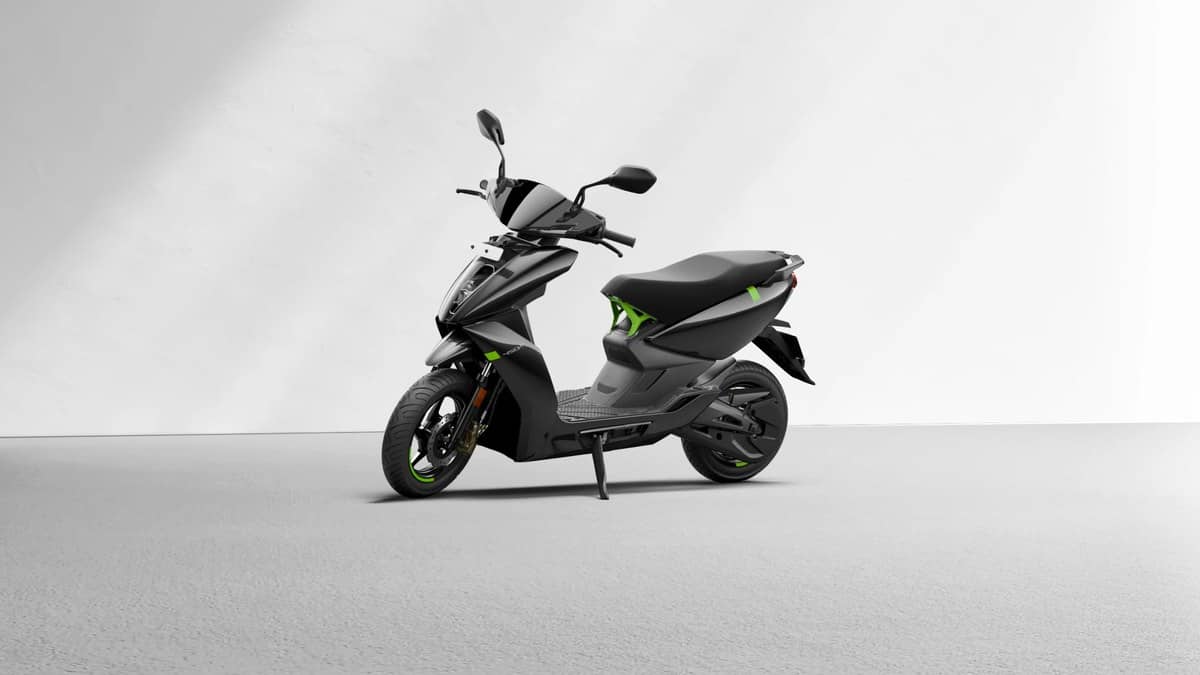
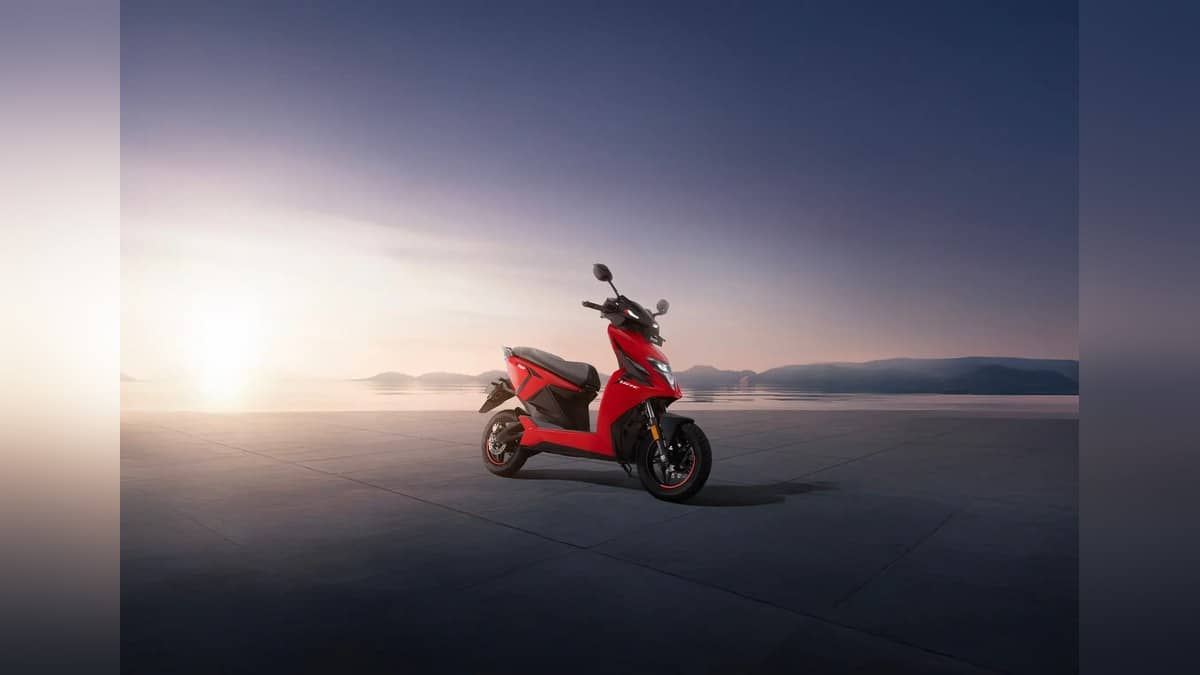
NEW DELHI: Simple One's official product page specifies 5 hours 20 minutes for home charging from 0% to 80% on the 5.0 kWh scooter. That is a partial-charge figure, so it should not be entered into a journey plan as the time required for a full battery. The distinction is useful when the scooter must be ready for a fixed departure.
| Simple One charging reference | Published figure or scope |
|---|---|
| Battery capacity | 5.0 kWh |
| Home charging interval | 0% to 80% |
| Claimed duration | 5 hours 20 minutes |
| Claimed IDC range | Up to 265 km |
| Range qualification on page | EcoX mode |
Plan around the charge window shown for this model
The home-charging statement appears in the battery section and is repeated in the specification comparison. Read the model heading before using it: the table also contains another scooter. A figure in an adjacent column is not evidence that Simple One can complete the same task in that time. Keeping the battery name beside the duration prevents a surprisingly easy planning error.
The relevant question for a household is the time available between parking and the next departure. A person returning late and leaving early should compare that actual window with the specified charging interval. Someone able to leave the scooter parked through the day has a different scheduling problem. Neither situation calls for assuming that every charging session starts with an empty battery.
Keep the remaining-charge target explicit
Write down the starting charge reading and the target before evaluating a session. Without those endpoints, a statement that charging took longer or shorter is incomplete. A short top-up and the published test interval are different tasks, even when they involve the same scooter and charger. This is also useful information to retain if an owner later requests a charging diagnosis.
The official duration does not establish the time for the final part of a full charge. It also does not give a separate duration for every possible starting reading. Avoid filling those gaps with a simple proportion of the headline time. This article uses the published interval as a planning reference and does not present an independently measured charging curve.
Read the range claim with its mode label
The product page pairs its long-range claim with EcoX mode. It also lists six ride modes, cruise control, traction control and advanced regenerative braking. That combination is part of Simple One's particular proposition: an owner has choices about how the scooter behaves, while the range statement is tied to a named mode. Record that mode when keeping a personal journey log.
A useful log can be simple: route, charge at departure, charge at return and mode selected. Keep the same information over comparable journeys before treating the result as a pattern. The purpose is to build an account of this scooter's use in the owner's routine, rather than substitute an advertised distance for experience on the regular route.
Confirm the equipment supplied with the scooter
Simple's page says home charging does not need an additional adapter. Before first use, identify the charger supplied with the vehicle and ask for the instructions applicable to that exact scooter. An online feature description is a useful starting point, while installation and operating questions need an answer matched to the equipment in hand. No electrical rating has been inferred here from the charging duration.
Simple provides a support centre and a store locator through its official site. If the scooter repeatedly fails to reach the expected target, retain the model details and charging observations for that support request. Avoid describing an unexplained delay as a confirmed battery defect before the equipment and vehicle have been assessed. The published time alone cannot identify the cause of a problem.
For the range hierarchy, see our Simple One vs Simple Ultra price: Rs 2,04,999 vs Rs 2,44,999, 265 km vs 400 km range. The Revolt RV400 charging explained: 3 hours 30 minutes to 80% separates the company's scooter families. Our Airtel free roaming: 90-day wait and exit charge explained shows why checking a charging claim's endpoints matters across electric two-wheelers.
Official sources: Simple One product and specification page and Simple support centre.