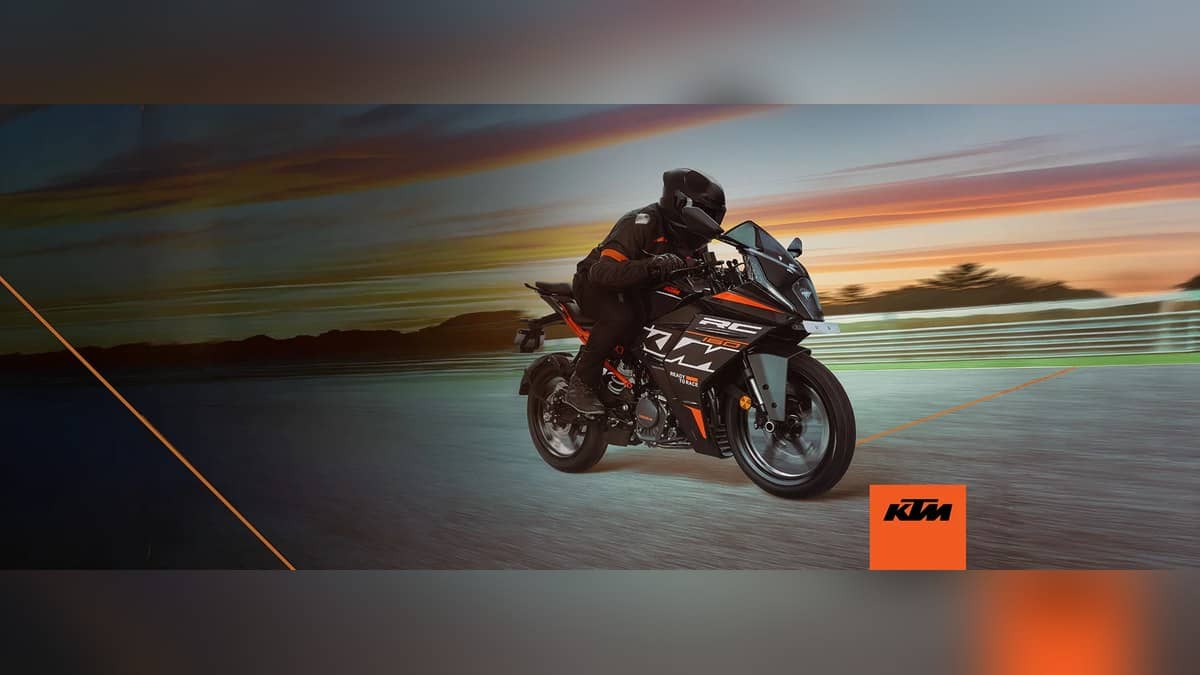
NEW DELHI: The KTM RC 160 uses a 164.2 cc, liquid-cooled, fuel-injected single-cylinder engine with a single overhead camshaft and four valves, according to KTM India. Its listed peak output is 19 PS at 9,500 rpm. The engine specification is only part of the story: the official page also describes adjustable handlebar risers and an LCD instrument display.
| Confirmed item | KTM RC 160 listing |
|---|---|
| Displacement | 164.2 cc |
| Engine configuration | Single cylinder, four stroke |
| Cooling and fuelling | Liquid cooling, fuel injection |
| Cylinder head | SOHC, four valves |
| Peak power | 19 PS at 9,500 rpm |
| Instrument display | LCD |
| Handlebar arrangement | Adjustable, with removable risers |
What the engine labels tell you
SOHC means single overhead camshaft. KTM separately specifies the valve count, so the camshaft label should not be mistaken for a statement that this is a two-valve engine. The RC 160 combines the single-cam description with a four-valve cylinder head. Those are different pieces of information about the same assembly, rather than competing versions of the specification.
The displacement also deserves to be written exactly. RC 160 is the model name, while 164.2 cc is the engine capacity stated by the manufacturer. Using the badge as a rounded shorthand is understandable in conversation, but a specification comparison should retain the actual published figure. It avoids making the name carry information that belongs in the technical table.
Peak power is reached at the engine speed shown alongside it. The 19 PS rating is not a promise of constant output in every gear or at every throttle opening. For someone trying to understand the RC's character, the useful follow-up is how the engine responds through ordinary changes of pace, rather than treating the peak figure as a complete account of everyday performance.
Cooling and information on the move
KTM describes a curved radiator with a fan and airflow directed through the body panels. This is relevant to the faired motorcycle's layout, but the page does not provide a rider-heat measurement. It would therefore be premature to turn the presence of liquid cooling into a claim that the RC 160 will feel cool to the rider in congested Indian traffic.
The LCD display lists speed, engine speed and gear position, along with distance-to-empty and consumption information. KTM also describes shift and peak-rpm settings. Those functions give the rider ways to monitor the engine without needing to infer everything from its sound. Their usefulness depends on clear operation and easy reading from the seated position, something a specification sheet cannot settle.
Distance-to-empty is particularly easy to overread. Treat it as an instrument indication rather than a guaranteed touring range. This article does not multiply a claimed consumption number by tank capacity to create a distance KTM has not certified. A reader planning a journey needs a reserve and refuelling plan suited to the actual route, rather than an optimistic calculation built from unrelated figures.
The control layout belongs in the explanation
The RC 160 page describes handlebar risers that can be retained for street use or removed for a more committed riding position. That is a practical distinction for a faired motorcycle. A change in handlebar position can alter how the rider reaches the controls, so any adjustment needs to be made and checked correctly rather than treated as a casual styling modification.
It also means that a showroom impression should identify which arrangement is fitted. Comparing a demonstration motorcycle with risers against another machine in a lower configuration can produce misleading impressions of reach. The relevant question is whether the delivered configuration suits the rider and whether the controls remain comfortable throughout their travel.
For a related example of why fit deserves its own explanation, see our 250 Duke seat-height guide. Our RC 200 and 200 Duke comparison looks at another faired-versus-naked pairing, while the RC 390 price guide covers a separate RC model. None of those motorcycles' specifications should be assumed to apply here.
The result is a more precise way to read the RC 160: start with the confirmed engine capacity and output, then examine cooling, instrumentation and the adjustable riding position. That links the technical language to the particular motorcycle without pretending that the product page replaces a measured road test.
Official source: KTM RC 160 specifications and equipment.