NEW DELHI: Realme's India specifications restrict the 16x 5G's rear-camera 1080P recording at 60fps to versions with at least 6GB RAM. The listed 4GB model is outside that qualification. The front camera is separately listed at 1080P and 30fps, so a rear-camera capability should not be carried across to selfie recording.
| 16x 5G video check | Official specification |
|---|---|
| Physical memory choices | 4GB + 128GB, 6GB + 128GB, 6GB + 256GB |
| Rear 1080P at 60fps | Supported on 6GB RAM and above |
| Rear 720P at 60fps | Supported on 6GB RAM and above |
| Front 1080P recording | 30fps |
| Rear still camera | 50MP |
| Front still camera | 8MP |
This is a specification explainer, not a report of a new software feature. The distinction is already present in the manufacturer's current India specification sheet, and it is relevant when two people with the same model name see different recording choices.
Check the physical RAM label first
The phone's listed memory combinations make the dividing line clear. The restriction follows physical RAM, rather than simply the internal-storage figure. A larger advertised dynamic-memory total should not be substituted for that physical configuration when reading the video condition.
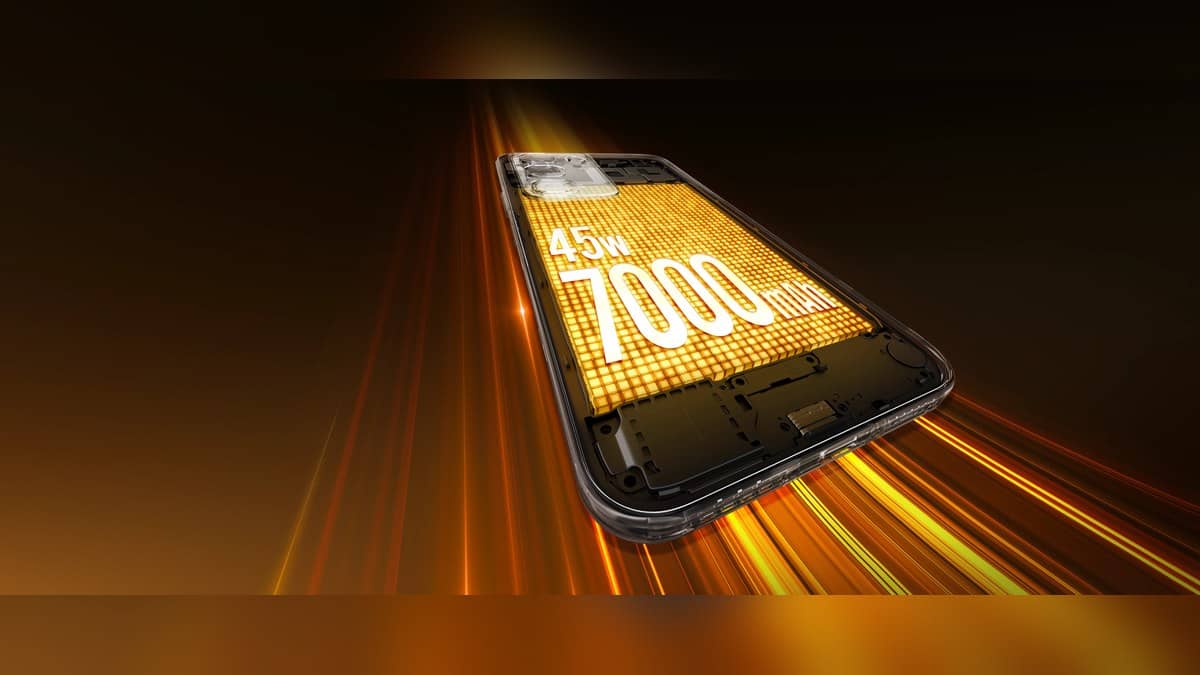
Realme's product page advertises dynamic RAM separately from the handset's fixed memory choices. Its broader pitch also includes a 7000mAh typical battery, 45W charging and a Dimensity 6300 processor. Those specifications identify the product, but they do not remove a qualification attached to a particular camera mode.
For a family recording a school function, that distinction can surface in an unexpected way: matching phone names do not necessarily mean matching rear-video settings. The important comparison is the actual configuration and the camera being used. This is a much narrower issue than saying that one version has an entirely different camera system.
Resolution and frame rate answer different questions
Adobe's official video explainer defines frame rate as the number of frames shown within a second. It treats shutter speed as a separate setting controlling exposure time. That distinction helps explain why a frame-rate label alone cannot establish every aspect of a recording's appearance.
Adobe also explains that higher-frame-rate filming can require more light to maintain exposure. That is general filming context, rather than a measured low-light result for this realme handset. An outdoor sample and an indoor stage recording should not be treated as interchangeable evidence.
For the 16x owner, the practical approach is to choose the relevant camera, inspect the available resolution and frame-rate choices, then make a short test recording. Play that original clip before relying on the same settings for an important event. These are preparation suggestions, rather than a claim about a particular menu layout.
The display headline is a different specification
Realme promotes a display refresh ceiling of 144Hz, qualified by supported apps. That describes the screen's operation. It does not change the separate video-recording table or establish that every clip captured by the handset uses the same frame rate.
The brand's product page also lists 2 years of Android OS updates and 3 years of Android security patches. These are software-support commitments, distinct from its laboratory claims about long-term smooth performance. None of those claims should be used to infer an unannounced upgrade to the camera modes.
If a setting appears to be missing, note the physical memory version, selected camera and current software before reporting it. A useful support description explains exactly which option you expected and which options are visible. It does not need to begin with an assumption that the handset is faulty.
Keep camera and gaming numbers in their own context
The desk's realme 16 Pro 5G price list: Rs 44,999 to Rs 62,999 covers a different phone's front and rear recording claims. Our realme C85 5G price: Rs 21,999 in both colours separates refresh and gaming figures, while the realme GT 8 Pro vs GT 7T price: GT 7T starts lower at Rs 39,999 examines another specification with important conditions.
The confirmed point here is limited and useful: the 16x video table attaches a physical-memory requirement to rear 60fps recording. It does not establish identical choices for every variant or camera.
The other modes on the camera sheet
The rear video list also includes 720P slow motion at 120fps and 1080P time-lapse at 30fps. Realme lists Cinematic video, Dual-view video and digital video zoom up to 10x. The front camera has a separate 1080P time-lapse entry at 30fps, alongside Dual-view recording.
The rear lens has an f/1.8 aperture, a 75-degree field of view and autofocus. The front lens has an f/2.0 aperture and an 80-degree field of view. Elsewhere, the sheet identifies LPDDR4X RAM, UFS 2.2 storage and support for a phone storage card and USB OTG. The LCD measures 17.30cm, with 1570 x 720 pixels and a listed density of 254 PPI.
Official sources: realme 16x specifications, 16x product page and Adobe's frame-rate explanation.