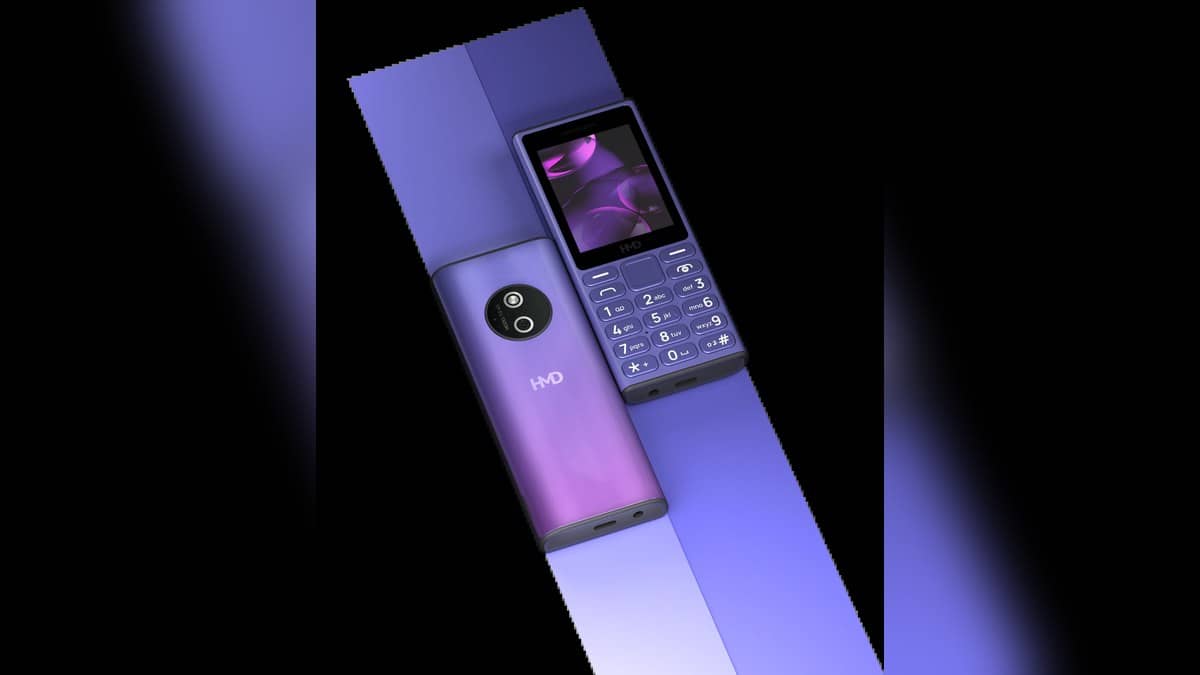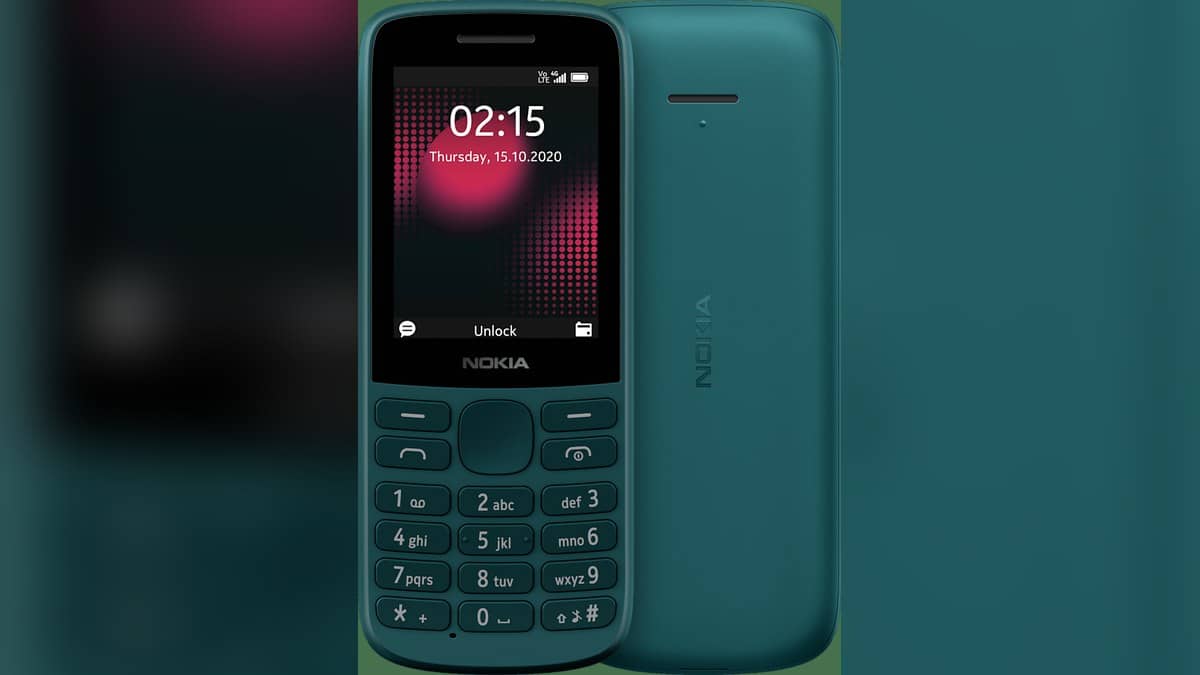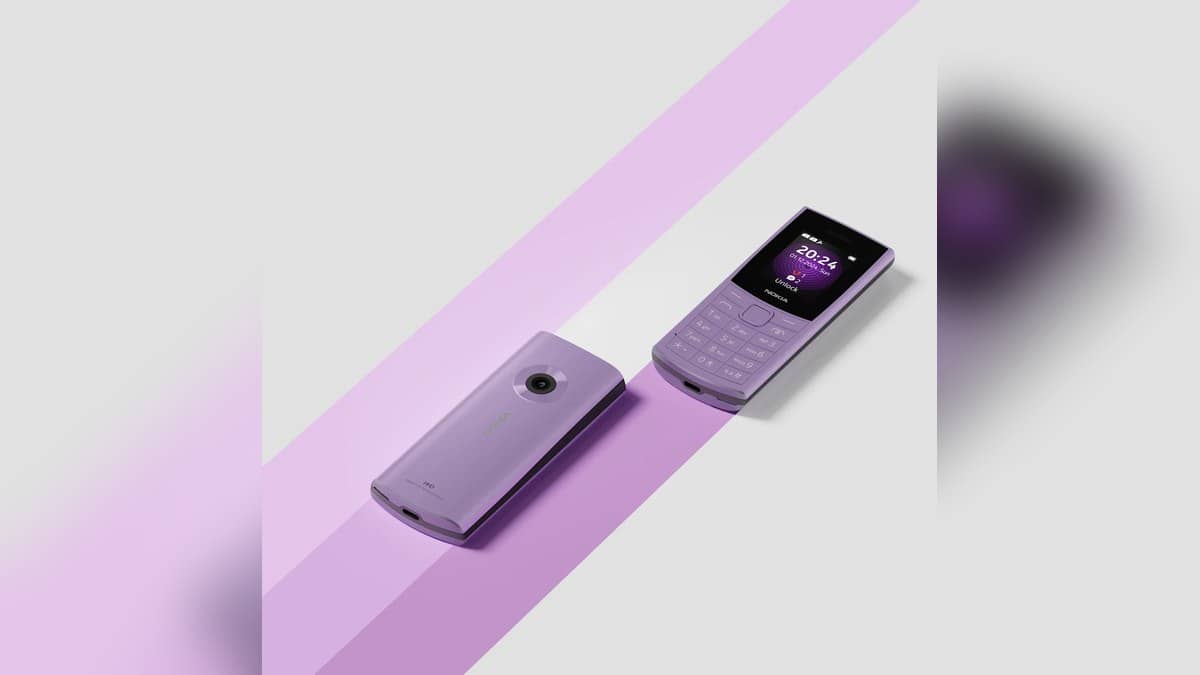
NEW DELHI: Nokia 5310 (2024) gives music playback its own play/pause, next and previous keys, alongside separate volume controls. But the buttons are only part of the setup: HMD says the MP3 player requires a separately purchased microSD card, and its setup guide recommends a compatible card of up to 32GB.
| Model | Nokia 5310 (2024), guide model TA-1603 |
|---|---|
| Playback keys | Play next, play/pause, play previous |
| Volume controls | Separate volume up and volume down keys |
| Audio hardware | Dual front-facing speakers |
| Memory-card guidance | Compatible microSD, up to 32GB |
| Display | 2.8-inch IPS |
| Battery | 1,450mAh |
Why the physical controls matter
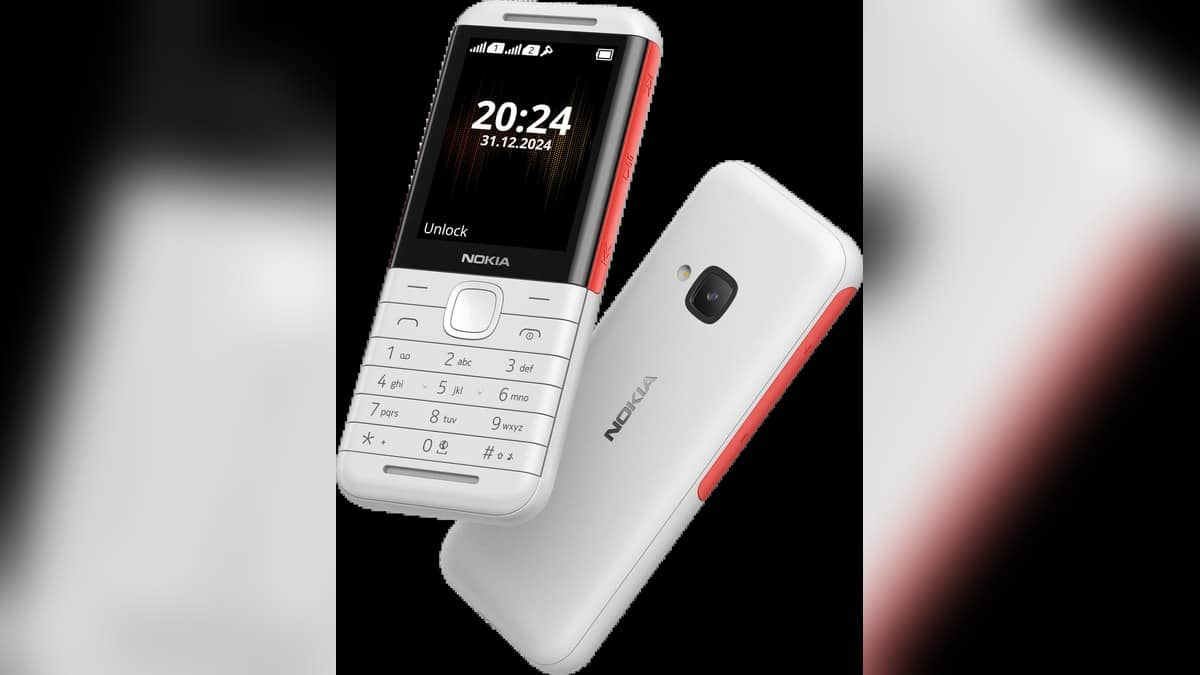
HMD's keys-and-parts diagram identifies the playback buttons separately from the scroll key, call key and power/end key. That layout is the main practical distinction of this music-focused design. An owner can learn which controls change a track and which adjust loudness without treating the navigation pad as the answer to every task.
For someone preparing a phone for a parent who listens to a familiar collection, a useful handover is to demonstrate play, pause, track changes and volume separately. Ask the owner to repeat those actions. This is a more specific test of the Nokia 5310's appeal than merely showing that the phone makes a sound or that its speaker is loud.
The India page lists the selected Black/Red handset at Rs 3,989. Price as of 4 November 2026, 00:07 IST. That amount is the phone listing, not a verified price for a phone-and-card bundle. HMD's MP3 footnote makes the separate card requirement explicit, so check any proposed package contents independently.
Prepare the card before building a library
The setup guide advises switching the device off and disconnecting its charger before opening the cover. Lift the back and take out the battery if fitted. Place the compatible memory card in its slot, then return the battery and cover. HMD cautions that an incompatible card can damage the device or card and corrupt stored data.
The same guide recommends a fast microSD card from a recognised manufacturer, with capacity up to 32GB. That is a compatibility ceiling, not a statement that a card is already included. Avoid choosing a larger card solely because it costs little more. The useful purchase is one that meets the phone's documented limit and works with the owner's files.
There is also a reason not to judge music capacity from the small memory figures on the shop page. HMD lists 8MB and 16MB there, while the setup guide warns that system software and preinstalled apps consume a significant portion of memory. The MP3 requirement points the owner towards removable storage rather than treating those internal figures as space for a library.
Separate radio from saved tracks
The product page describes both personal MP3 tracks and local radio listening. They are different uses of the same music-oriented hardware. If radio works immediately but saved tracks do not, that alone is not evidence of a broken speaker. Check that the card and the intended audio content are actually present before looking for a hardware fault.
HMD's rights guidance also warns that copyright protection can prevent copying or transferring music and other content. Do not assume that access to a song through another service gives you a transferable audio file. Keep the first test simple with content you are entitled to copy, rather than trying to diagnose playback using an inaccessible download.
Check the edition during a family handover
The official manual identifies this edition as TA-1603 and specifies mini-SIM cards. That is worth noticing if the music phone will also replace an existing handset. Card format and music storage are separate setup checks. Identify the supplied unit before moving either, rather than assuming that every Nokia keypad phone uses identical accessories.
The large battery and dedicated speakers make audio central to this model's design, but HMD does not give a verified continuous music-playback duration on the pages used here. A standby claim cannot fill that gap. Our HMD 150 Music battery explainer covers that distinction; also see the Nokia 150 card guide and Nokia 3210 and 5310 price comparison.
Other controls in the official diagram
HMD's diagram numbers 17 parts, ending with the back-cover opening slot. Alongside the music controls, it identifies a flashlight, camera, USB connector and separate headset connector. The guide places the security-code setting under Menu, Settings, Security and Keyguard, and states that HMD Global cannot open or bypass that code.
The setup page also describes the dual-SIM edition. Its box label carries two IMEI codes. Both SIMs are available while the device is idle, but the guide says the second may be unavailable while the first is active on a call. The second card occupies the SIM2 slot, separately from the memory-card slot used for music storage.
Official sources: India product page, key diagram, SIM and memory-card setup and content rights guidance.