
The Reserve Bank of India's Monetary Policy Committee on Wednesday raised the policy repo rate by 25 basis points to 5.50 per cent. All six members voted for the increase, according to the MPC resolution released on 7 October, and the change takes effect immediately.
The committee also dropped its neutral stance and moved to what it calls "calibrated tightening". The resolution spells out what that means for the months ahead: given current conditions, "rate cuts are off the table in the near term", and the next move can only be a hike or a pause.
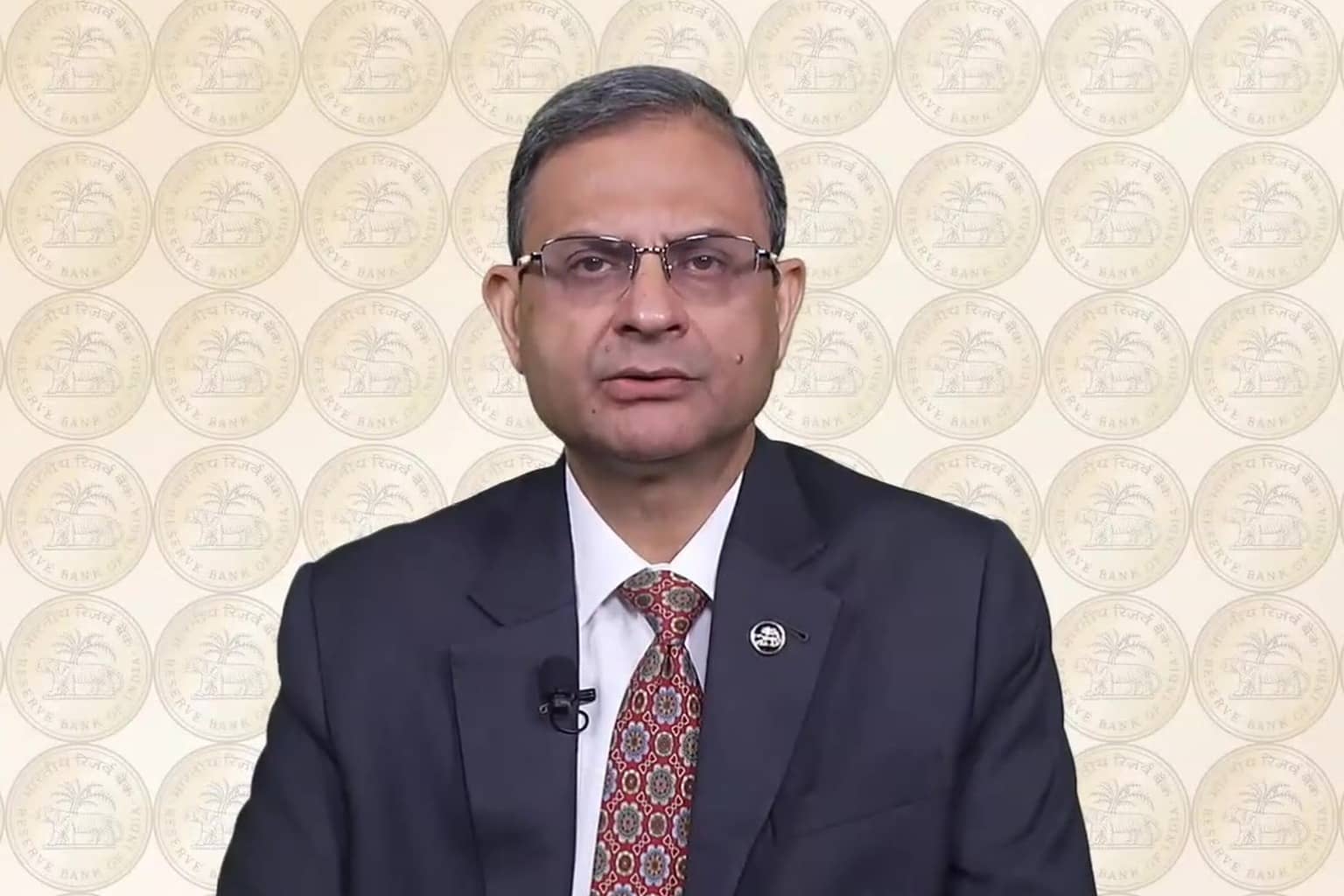
Governor Sanjay Malhotra announced the decision in a live-streamed statement at 10 AM. It is the first increase in the repo rate since February 2023, when the MPC took it to 6.50 per cent. The committee had kept the rate at 5.25 per cent at its April, June and August meetings this year.
What changes from today
With the repo rate at 5.50 per cent, the standing deposit facility rate, at which banks park surplus funds with the RBI overnight, moves up to 5.25 per cent. The marginal standing facility rate and the Bank Rate, which apply when banks borrow from the RBI at short notice, go up to 5.75 per cent.
The repo rate matters to households because of how floating-rate loans are priced. Since October 2019, the RBI has required banks to link new floating-rate retail loans to an external benchmark, and the repo rate is the one most banks use. The rate on such loans has to be reset at least once every three months, so borrowers usually see a change at their next reset date. Each bank decides and announces its own revision, for loans and for deposits.
For a refresher on the borrower protections the RBI already requires, including the Key Facts Statement and prepayment rules, read our guide to six RBI rules to know before taking a car or two-wheeler loan this Diwali.
Why the MPC moved now
The resolution says inflation and its outlook "are not benign" the way they were last year. CPI inflation rose to 4.8 per cent in August from 4.5 per cent in July. Food price increases became more broad based, with sharp jumps in sugar and onion, and core inflation, which leaves out food and fuel, climbed to 4.2 per cent.
The committee now projects CPI inflation at 5.2 per cent for 2026-27, up from the 5.0 per cent it projected in August. It sees 4.9 per cent in the July to September quarter, 6.0 per cent in October to December and 5.7 per cent in January to March. With headline inflation expected to average almost 5.8 per cent over the next three quarters, the MPC said "recalibrating the policy rate is imperative".
Growth gave the committee room to act. Real GDP grew 7.8 per cent in the April to June quarter, according to the National Statistics Office estimate cited in the resolution, and the MPC raised its growth projection for 2026-27 to 7.1 per cent from 6.7 per cent. It expects 7.2 per cent growth in the second quarter, 6.9 per cent in the third and 6.8 per cent in the fourth.
Abroad, the resolution points to renewed conflict in West Asia, swings in crude oil prices and a 25 basis point increase by the US Federal Reserve in September. We covered that US decision in our report on the September US jobs data and the Fed's rate rise.
The vote on stance was split. Two members, Dr Nagesh Kumar and Prof Ram Singh, wanted the stance kept at neutral, though the rate increase itself was unanimous. The MPC said the length and size of the hiking cycle will depend on how growth and inflation actually turn out, especially underlying inflation and how far price pressures spread.
A change for account aggregator users
Alongside the rate decision, the RBI issued a short Statement on Developmental and Regulatory Policies with one change that touches people who use finance apps. NBFC account aggregators will be made interoperable, so a customer can pull and share financial information from different providers through any account aggregator of their choice.
Depositories regulated by SEBI will also be allowed to add bank deposit account details to the Consolidated Account Statement through account aggregators. Demat account holders would then see their demat holdings and bank deposits in one statement. The RBI expects both measures to be in place by 31 December 2026. It is also forming a consultative committee for financial markets, whose members and terms will be notified separately.
What comes next
The minutes of this meeting will be published on 21 October and will show how each member argued. The next MPC meeting is scheduled for 2 to 4 December 2026. Our preview of this week's meeting set out the August numbers the committee started from.
For now, the RBI's message is plain. It has started raising rates, it has said cuts are not coming soon, and how far it goes will depend on whether price pressures keep widening. The full resolution is on the RBI website.