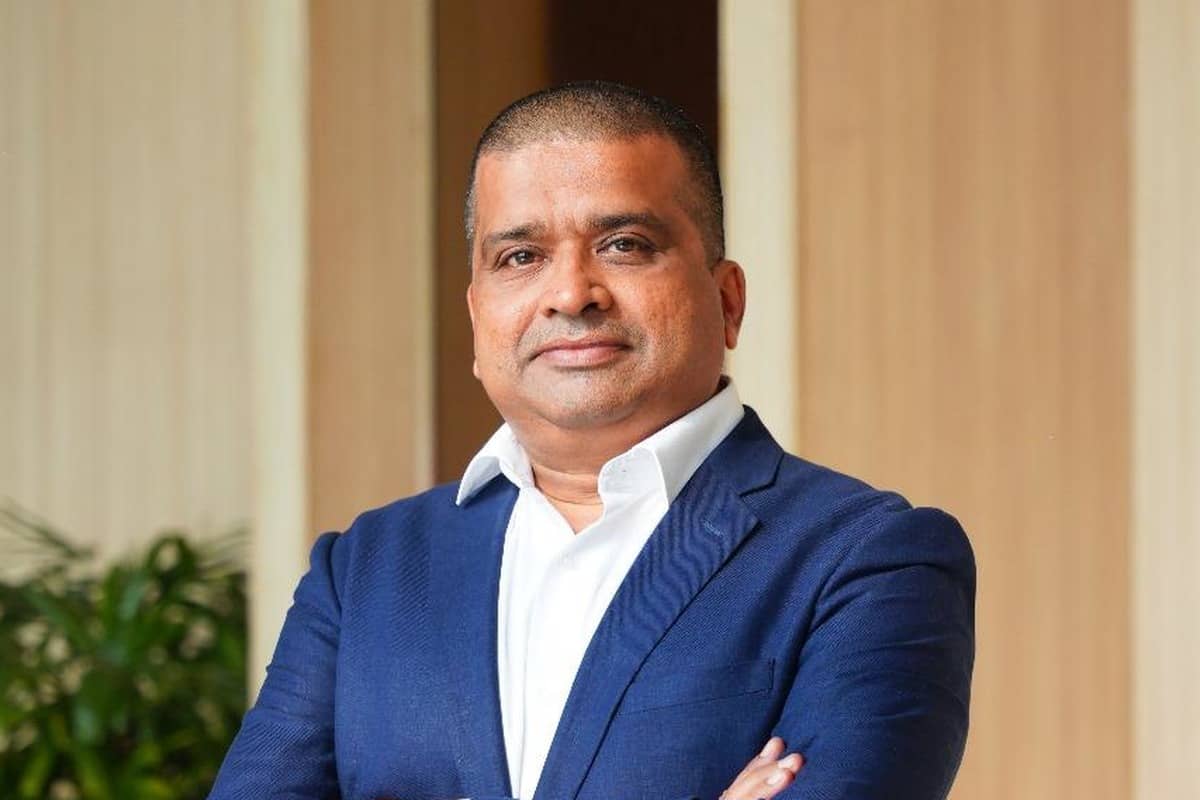
BENGALURU: BigEndian Semiconductors, a Bengaluru fabless chip design startup, has signed an agreement with the Technology Development Board (TDB) for Rs 130 crore in support under the government's Research Development and Innovation (RDI) Fund. The money is meant to carry the company's camera-focused AI chip, called Project VeerAI, from lab prototype to a product that can ship.
The Department of Science and Technology announced the agreement on 5 October 2026. According to the government release, Project VeerAI has a total cost of Rs 260 crore, so the TDB support covers half of it. The support comes as Optional Convertible Debt, which means it is a loan that can later be turned into equity rather than an outright grant.
What Project VeerAI is supposed to build
The project is an AI Vision System-on-Chip, a single piece of silicon that sits inside a camera and handles image processing and AI inference on the device. The first target is CCTV and surveillance gear for India and what the release calls the Global South. The chip is being designed to combine AI processing with security, privacy and connectivity features on what the government describes as a sovereign technology platform.
The stated aim is to move the technology from Technology Readiness Level 5 to Level 9. In plain terms, TRL 5 means the core technology has been validated in a relevant environment, while TRL 9 means a finished system proven in real use. That stretch usually covers the expensive part of chip work: validation, integration, testing and scale-up, which is exactly what the release says the RDI money will fund.
Surveillance is the opening market, not the only one. The release lists defence, automotive, industrial and medical uses on the roadmap, all areas where a camera needs to process what it sees locally and keep that data secure. The argument for an application-specific chip, rather than a general processor, is that it can be tuned for one job and reach customers faster.
Who is behind BigEndian
BigEndian describes itself on its website as a platform for fabless semiconductor development, based in Bengaluru. Fabless means the company designs chips and leaves manufacturing to a foundry. Its news page describes it as a Bangalore and Taiwan based IC company. The team page lists Sunil Kumar as CEO, along with Renuka Prasad as head of system engineering, Kanak P as head of engineering, Dinesh Annayya as head of silicon engineering and Harpreet Wadhawan as CFO.
The company's own updates show the surveillance focus is not new. In February 2025 it announced a technology partnership with Cadence Design Systems to develop Project VASU, a set of SoCs for the CCTV and surveillance industry. Its news page also notes a US$3 million seed round led by Vertex Ventures SEA and India in September 2024. The solutions page says the first surveillance chipset is "expected to be announced soon", so no product has been named publicly yet.
TDB Secretary Rajesh Kumar Pathak said in the release that building indigenous capability in application-specific AI chips is "an important part of strengthening India's technology ecosystem", and that the RDI Fund is meant for technologies that need sustained money to reach commercial deployment. BigEndian's promoters said the support would help them "accelerate the development and validation of Project VeerAI" and take the AI Vision SoC towards commercial readiness.
Why a CCTV chip matters for Indian buyers
India buys a very large number of security cameras every year for homes, shops, housing societies, offices and city surveillance projects. Most of the processors inside them are designed abroad. That is the gap the release points to when it talks about reducing dependence on external semiconductor and technology supply chains. A camera chip with security built in at the silicon level also matters for privacy, because a lot of camera footage moves over networks that are not always well protected.
For a household or a small shop owner, none of this changes what is on the shelf today. A chip that reaches TRL 9 still has to be designed into cameras by brands, certified and sold. What the funding does is give one Indian design house the runway to try. If BigEndian gets there, Indian camera makers would have a locally designed option for the processor at the heart of their products.
BigEndian is the latest in a small but growing group of Indian chip startups working on application-specific silicon. Dalimss News has reported on Netrasemi's A2000 edge AI chip from Thiruvananthapuram and on Mindgrove's Secure IoT S2401 RISC-V microcontroller. TDB has used the same RDI route for deep tech outside chips too, such as its Rs 200 crore support for Agnikul's reusable rocket work.
What to watch next
The release does not give a timeline for silicon samples or a first commercial chip, and it does not say which foundry or process node BigEndian will use. Those are the details that will show how quickly VeerAI can move. The other open question is the first customer: a brand or a government surveillance programme that commits to designing the chip into its cameras.
For now, the agreement gives BigEndian Rs 130 crore of patient money and a public target. The next milestone to look for is the naming of its first surveillance chipset, which the company has said is on the way.