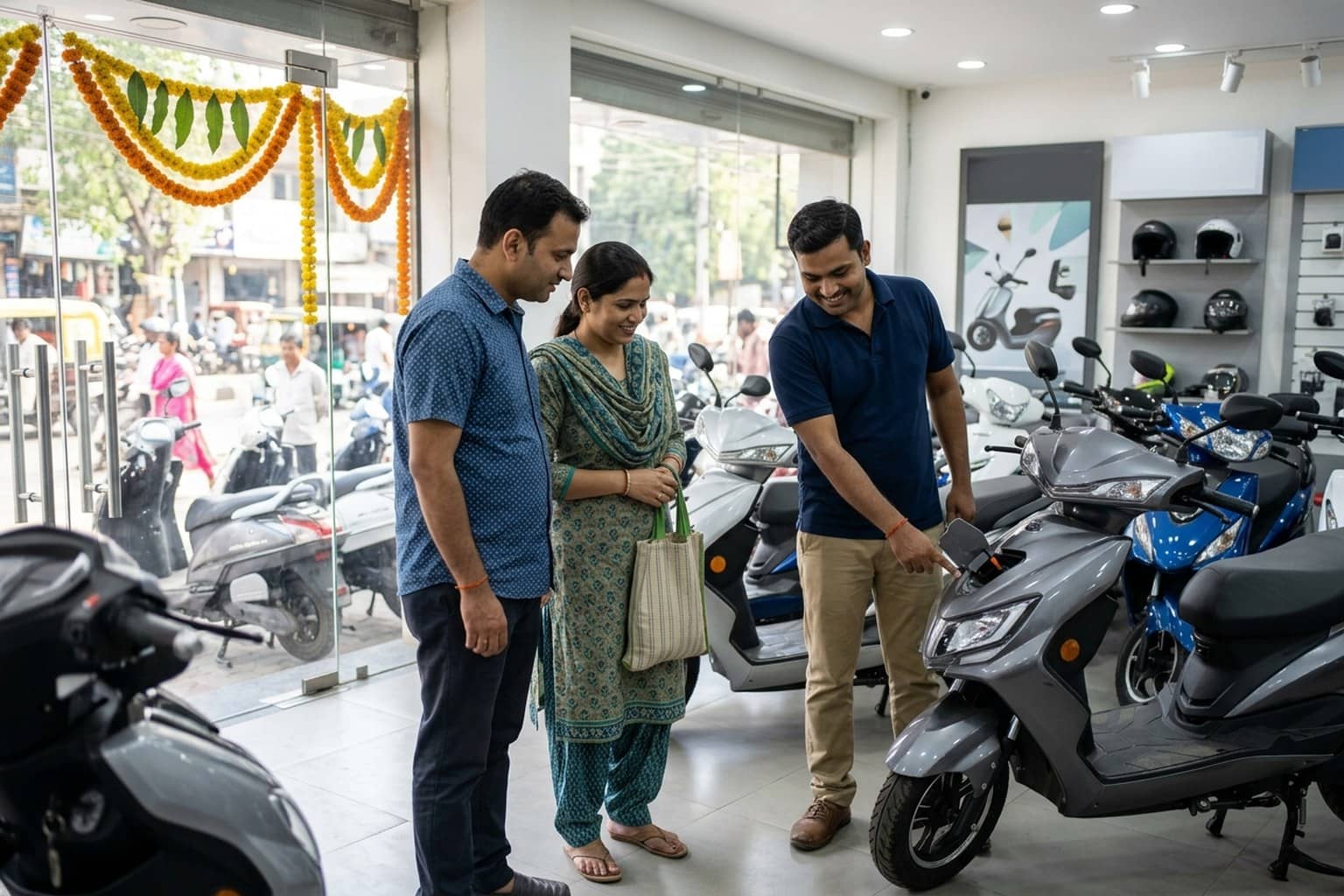

MUMBAI: Many festive car and two-wheeler purchases are financed, often through a loan arranged at the dealership itself. Before you sign, it helps to know what the Reserve Bank of India requires lenders to tell you and what they cannot charge.
Most of these rules now sit in one place: the Reserve Bank of India (Commercial Banks - Responsible Business Conduct) Directions, 2025, updated as on 1 October 2026. NBFCs, which write many two-wheeler loans, follow a parallel set of RBI conduct directions. Here are six rules that matter at the loan desk, and what to look for in the papers.
1. A Key Facts Statement before you sign
For every new retail term loan sanctioned on or after 1 October 2024, a bank must give the borrower a Key Facts Statement, or KFS, before the loan contract is executed. It has to follow RBI's standard format, be written in a language the borrower understands, and be explained to them. The bank then takes an acknowledgement that the borrower has understood it.
The KFS carries a unique proposal number and stays valid for at least three working days for loans with a tenor of seven days or more. If you accept within that window, the bank is bound by the terms printed on it. In practice, that gives a buyer time to compare the offer with another lender's KFS before committing.
2. The APR, not just the interest rate
The KFS must include a computation of the Annual Percentage Rate, which RBI defines as the annual cost of credit including interest and all other charges. The bank must also attach the full repayment schedule for the loan.
RBI's own worked example shows why this matters. A Rs 20,000 loan at a fixed 15 percent over 24 monthly instalments of Rs 970, with Rs 400 in fees, leaves a net disbursal of Rs 19,600. The APR on that loan comes to 17.07 percent. When a showroom quotes a low rate, the APR line on the KFS is the number to compare, because it folds in processing and other fees.
That matters most when festive pricing is already complex. If you are looking at a car on an introductory price, such as the Tata Aeris introductory price list, the financing cost belongs in the same comparison as the ex-showroom figure.
3. Pre-payment charges depend on the rate type
For loans sanctioned or renewed on or after 1 January 2026, a bank cannot levy pre-payment charges on floating rate loans given to individuals for purposes other than business. This applies whatever the source of the money used to prepay, in part or in full, and without any minimum lock-in. Floating rate loans of this kind sanctioned before 31 December 2025 also cannot carry pre-payment charges.
Many vehicle loans, though, are offered at a fixed rate. For those, pre-payment charges, if any, follow the bank's approved policy, and on term loans they must be based on the amount prepaid. Whatever applies has to be disclosed in the sanction letter, the loan agreement and the KFS. A bank cannot charge a pre-payment fee that was not disclosed this way.
So check two lines on the KFS: whether the rate is fixed, floating or hybrid, and what it says about pre-payment. For a hybrid loan, the rule depends on whether the loan is on a floating rate at the time you prepay.
4. Penal charges, not penal interest
Since 1 April 2024 for new loans, a penalty for missing an EMI or breaking another material term must be levied as a "penal charge", not as extra "penal interest" added to the loan rate. Penal charges cannot be capitalised, so no further interest is charged on them, and they must be reasonable and levied only on the amount in default.
Where loans go to individuals for non-business purposes, the penal charges cannot be higher than those applied to non-individual borrowers for similar defaults. The quantum and the reason must be disclosed in the loan agreement and the KFS.
5. Your RC papers within 30 days of closing
Once a loan is fully repaid or settled, the bank must release all original movable or immovable property documents and remove any charge registered with a registry within 30 days. For a vehicle loan, these are the lender's papers you need to have the hypothecation entry removed from the registration certificate.
If the delay is the bank's fault, it must explain the reasons and pay the borrower Rs 5,000 for each day beyond 30 days. If original documents are lost or damaged, the bank must help get certified copies and bear the cost, with an extra 30 days before the daily compensation starts. The sanction letter must state where and when documents will be returned.
6. Limits on recovery calls
If repayments fall behind, RBI bars banks and their agents from intimidation or harassment of any kind. That includes calling the borrower persistently or before 8:00 am and after 7:00 pm to recover overdue loans, threatening or anonymous calls, and inappropriate messages on phone or social media. RBI also expects recovery agents to carry the bank's notice and authorisation letter along with an identity card.
Banks must also have a grievance mechanism for complaints about recovery. If a complaint to the lender is not resolved, borrowers can escalate under the Reserve Bank Integrated Ombudsman Scheme through the RBI's complaint portal.
Before you sign at the showroom
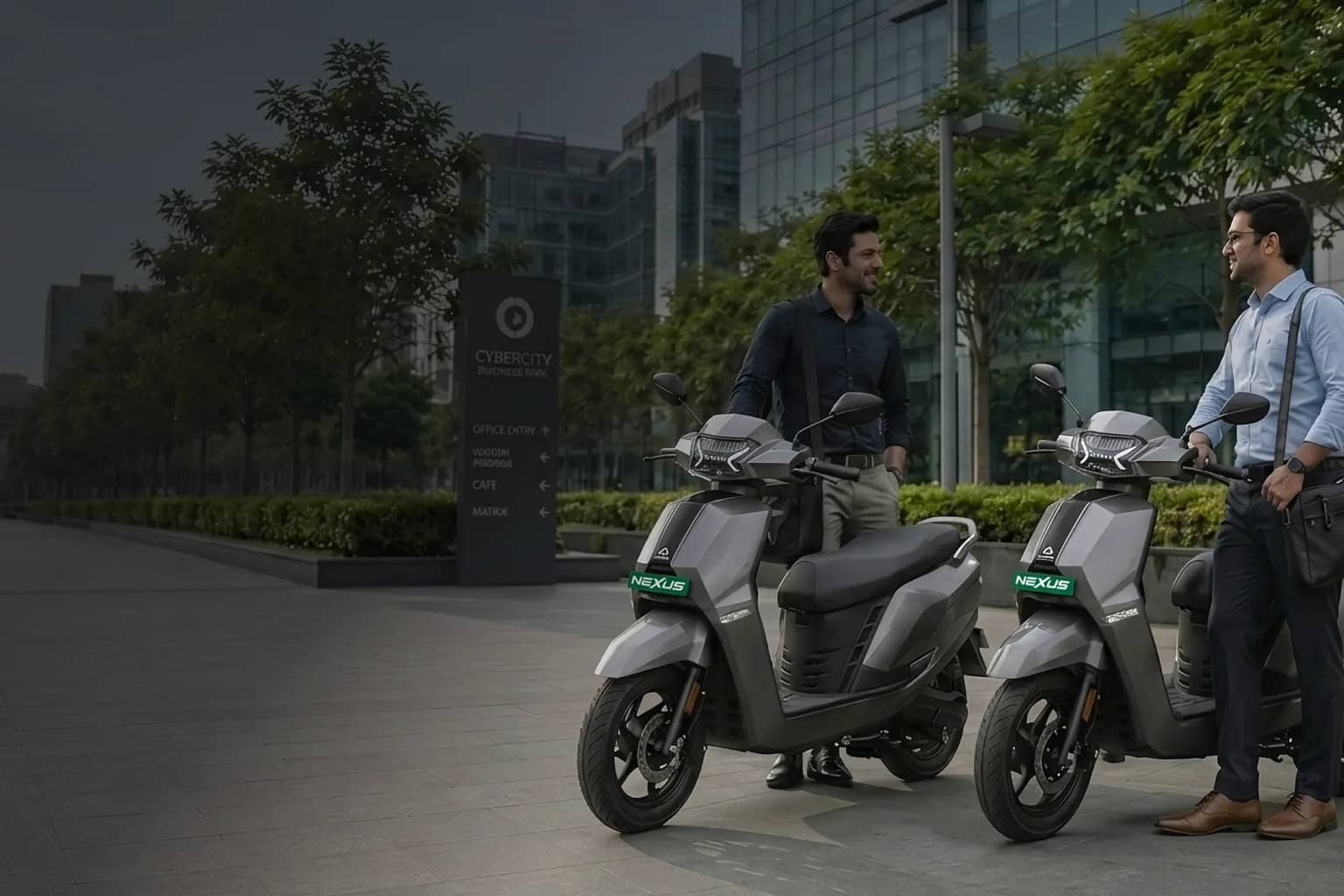
Ask for the KFS for each offer and compare the APR, the rate type, all fees, the pre-payment terms and the penal charges. For a two-wheeler such as the Ampere Nexus EX+ electric scooter or a motorcycle like the Honda XR300L, the same checks apply even on a smaller loan.
Keep a copy of the KFS and the sanction letter, and note the promised place and date for the return of documents. This article explains RBI rules and is not advice on whether to borrow or which lender to choose.