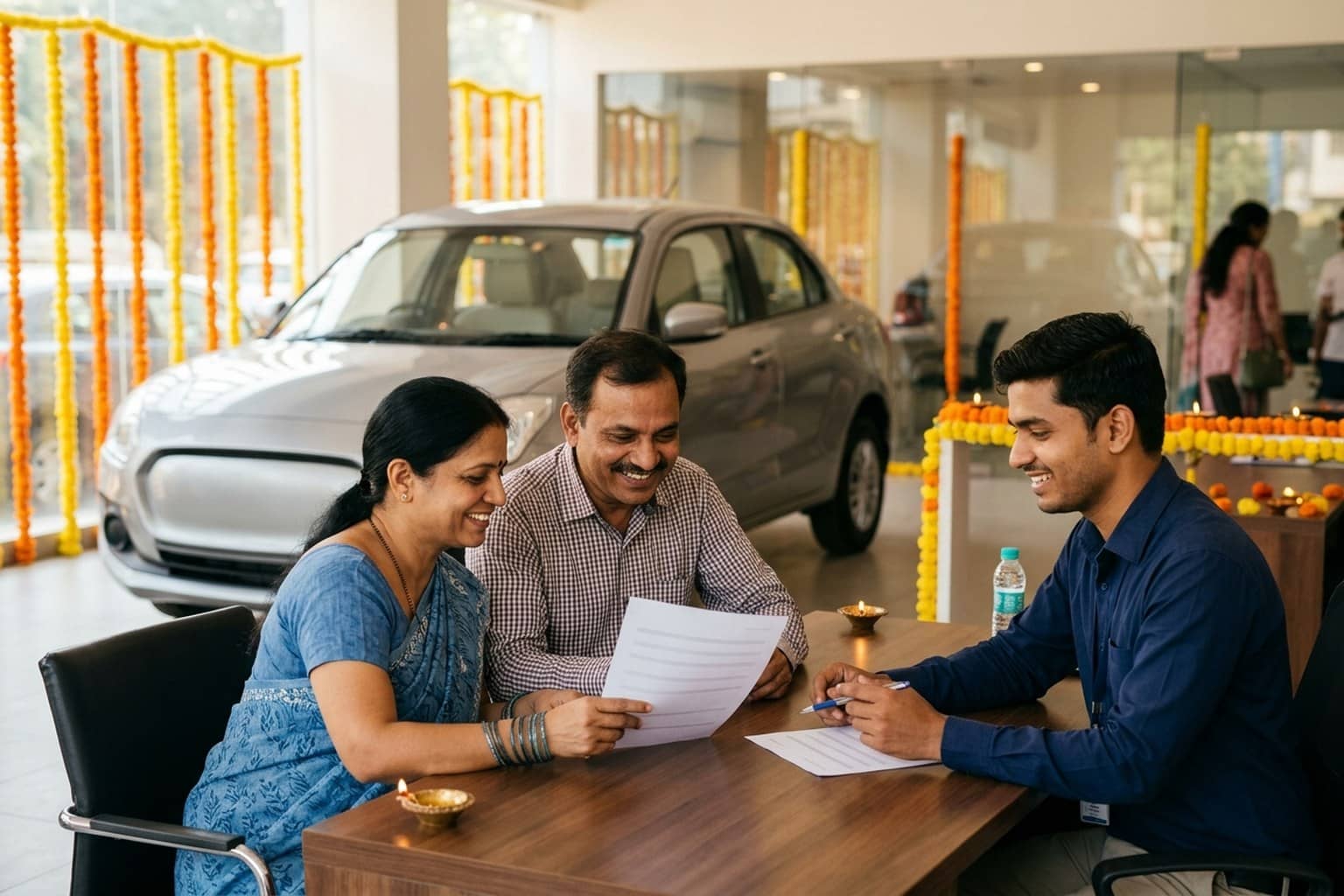
NEW DELHI: Anyone buying a new car, motorcycle or scooter this Diwali will meet the insurance question at the billing desk. Two months ago the Supreme Court changed the answer on paper. In a judgment dated 4 August 2026, it directed that third-party insurance for four years be bought for new cars and for six years for new two-wheelers, one year more than the rule followed since 2018.
The court asked the insurance regulator, IRDAI, to "immediately issue necessary directions". As of 6 October 2026, 7:00 am IST, the circulars page on IRDAI's website did not yet list a circular giving effect to the longer terms. Here is what the judgment says, what the current rules still require, and what to check before you sign the papers.
What the Supreme Court ordered
The order came in National Insurance Co. Ltd. v. Smt. Thungala Dhana Laxmi and others, a motor accident appeal that the court widened into a review of why so many vehicles run without cover. Section 146 of the Motor Vehicles Act already makes third-party insurance compulsory for any vehicle used in a public place.
The bench of Justices Sanjay Karol and Prashant Kumar Mishra noted that IRDAI and the General Insurance Council had recommended against a longer mandatory term. The judges went ahead anyway, saying a longer period was "in the interest of road safety". The judgment cites a parliamentary committee figure of 16.54 crore uninsured vehicles out of 30.48 crore, or nearly 56 percent.
All parties were told to file compliance responses by 14 August 2026, and the matter was listed again on 18 August. The judgment says the longer cover applies "henceforth" but leaves the mechanics to IRDAI, and it does not set a price for four-year or six-year cover. It says third-party pricing will be fixed through consultation between IRDAI and the central government.
What the rules say today
The current framework comes from the court's 2018 order in the S. Rajaseekaran case. IRDAI's circular of 28 August 2018 told insurers to sell only three-year third-party policies for new cars and five-year policies for new two-wheelers from 1 September 2018.
A later IRDAI circular dated 8 June 2020 withdrew long-term package policies that bundled third-party and own-damage cover for the full three or five years, from 1 August 2020. What remained is the bundled policy most buyers get today: long-term third-party cover plus own-damage cover for one year, renewed annually. Since 1 September 2019, insurers have also had to offer standalone annual own-damage cover.
So, until IRDAI publishes its directions, the long-term third-party portion on a new vehicle is still built around three years for cars and five years for two-wheelers in the regulator's published circulars. Once the change takes effect, the mandatory portion would stretch to four and six years.
What the third-party part costs now
Third-party premiums are not set by insurers. They are notified by the Ministry of Road Transport and Highways in consultation with IRDAI. The latest full table is in the Motor Vehicles (Third Party Insurance Base Premium and Liability) Rules, 2022, in force from 1 June 2022, which the government announced through PIB. A January 2024 amendment changed rates only for one commercial category.
For a new private car, the three-year single premium is Rs 6,521 up to 1,000 cc, Rs 10,640 for 1,000 cc to 1,500 cc, and Rs 24,596 above 1,500 cc. For a new two-wheeler, the five-year single premium is Rs 2,901 up to 75 cc, Rs 3,851 for 75 cc to 150 cc, Rs 7,365 for 150 cc to 350 cc, and Rs 15,117 above 350 cc. These are base premiums before tax.
Electric vehicles pay less. The same rules list three-year premiums for new electric cars of Rs 5,543 up to 30 kW, Rs 9,044 for 30 kW to 65 kW and Rs 20,907 above 65 kW. A new electric two-wheeler's five-year premium is Rs 2,466 up to 3 kW and Rs 3,273 for 3 kW to 7 kW. PIB described this as a discount of about 15 percent for EVs and 7.5 percent for hybrids. If you are pricing an e-scooter, read this alongside our guide to the PM E-DRIVE subsidy on electric scooters this Diwali.
The 2022 rules, as amended, contain no four-year or six-year single premium table. That means nobody can yet quote an official figure for the extra year. Any number you hear at a showroom should be checked against the policy schedule and the insurer's own quote.
Four layers and a customer option form
The judgment also accepts an IRDAI suggestion to split private vehicle cover into four layers. The first is the mandatory third-party policy. The second is optional cover for passengers or pillion riders other than the owner, driver and family. The third is personal accident cover for the owner, driver and occupants. The fourth is own-damage cover for the vehicle itself.
Every buyer is to get a "customer option form", online or offline, with check boxes for the optional layers and the premium shown against each. A plain-language information sheet explaining who is covered is to be mandatory for all motor insurance sales. IRDAI is to draft uniform wordings for the optional covers, while insurers can price own-damage cover in line with the market.
Tighter checks on the road
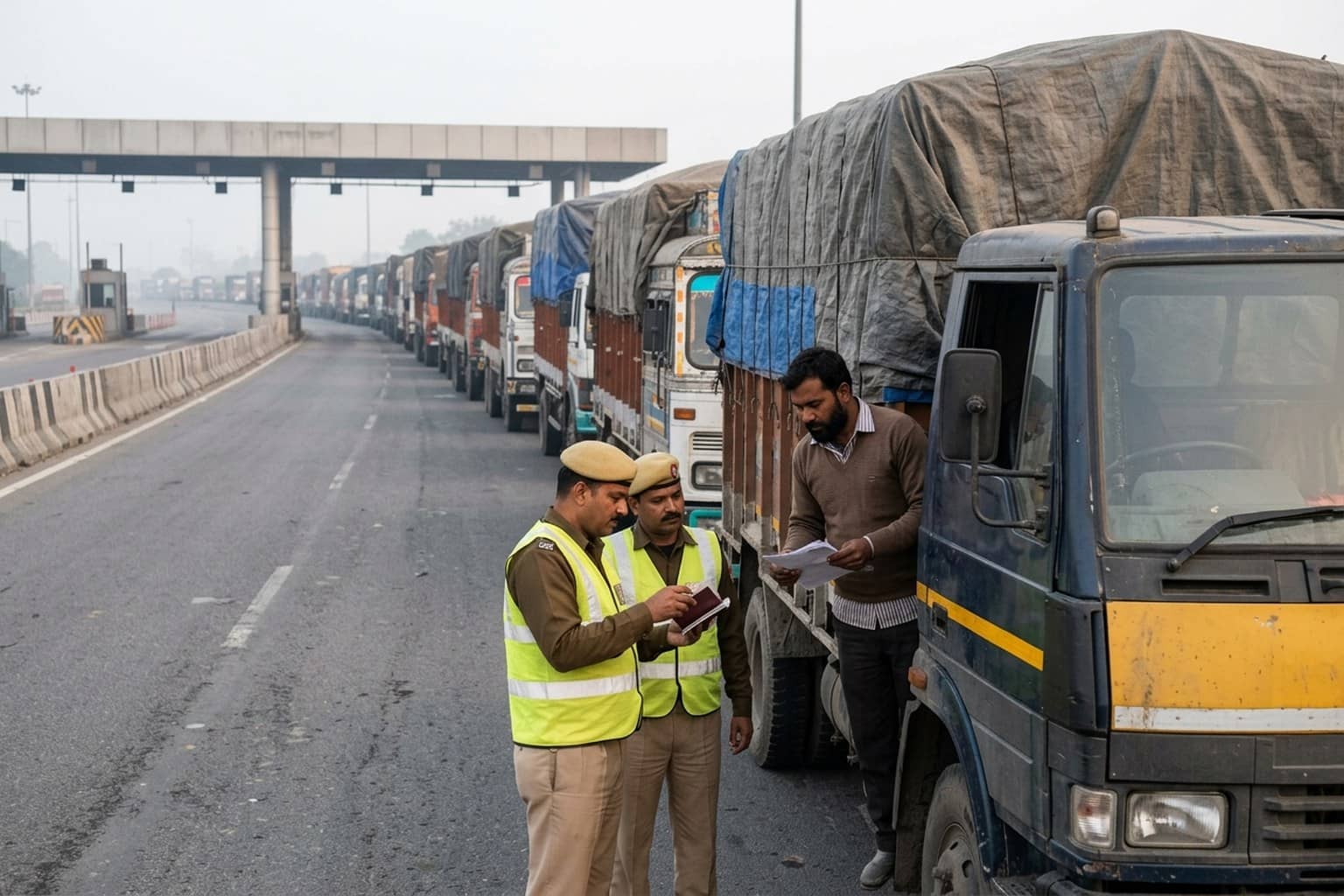
The court also directed that ANPR cameras be linked with Insurance Information Bureau and VAHAN data to issue automatic e-challans to uninsured vehicles. State police are to get handheld devices or apps to check insurance status on the spot. IRDAI and the transport ministry are to work out a pilot that would refuse fuel at petrol pumps to vehicles without valid insurance.
Today's fine under Section 196 is Rs 2,000 for a first offence and Rs 4,000 after that, according to the judgment. The transport ministry told the court that an amendment, not yet notified, would raise this to three times the basic premium or Rs 5,000, whichever is higher, for a first offence.
What to check at delivery
None of this changes how claims work on a policy already issued. For a purchase in the coming weeks, look at the policy schedule and confirm the start and end dates of the third-party section separately from the own-damage section. Check whether personal accident cover for the owner-driver is included, and which add-ons have been added to the premium.
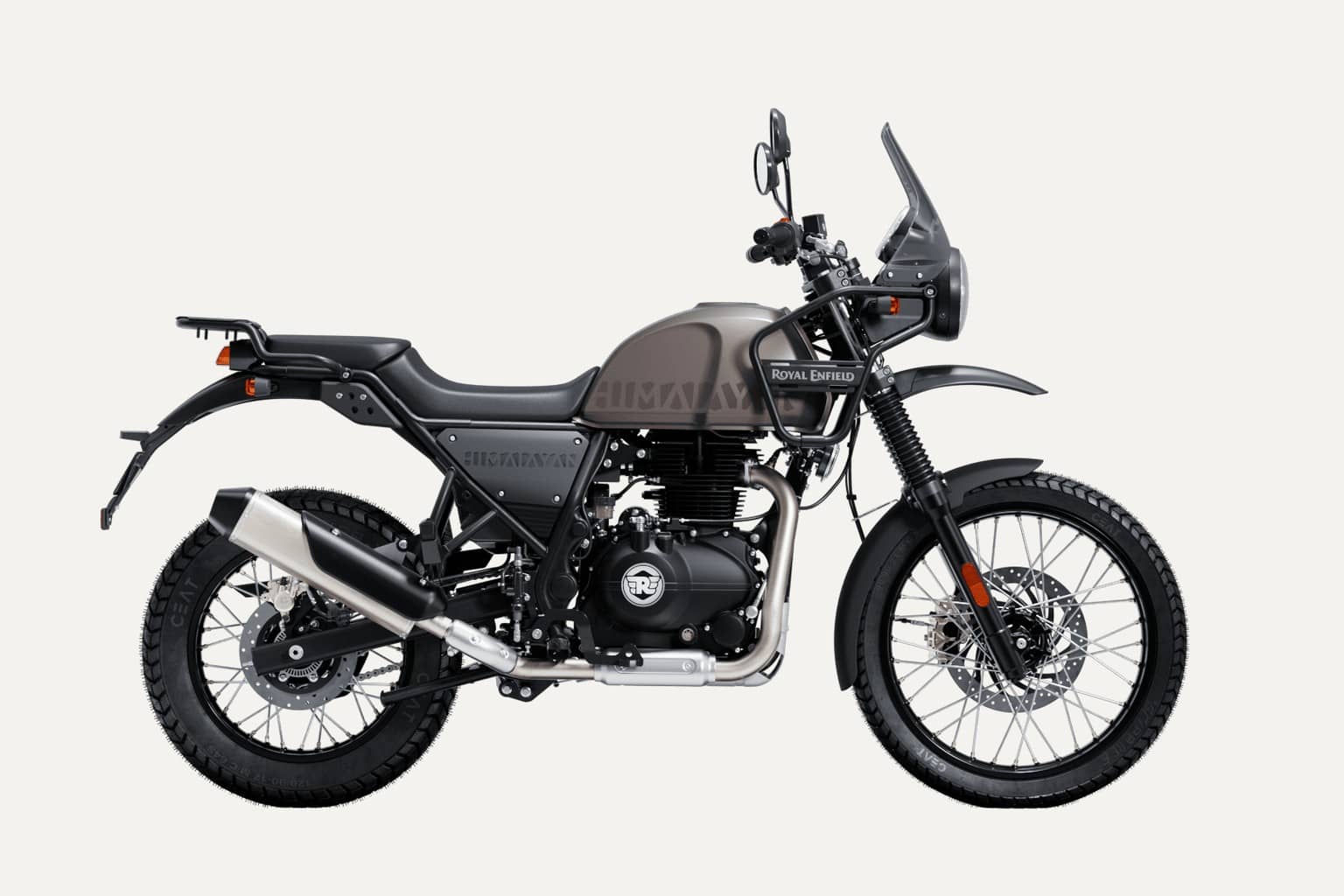
If you are comparing quotes alongside showroom offers, such as the festive benefits Kia India is advertising, keep the mandatory third-party amount separate from optional covers. Bike buyers weighing a 350 cc model against something bigger, as in our Classic 350 versus Himalayan 440 comparison, should note that the third-party slab jumps above 350 cc.
The next step is IRDAI's direction to insurers, which should settle the start date and the price of the longer cover. This article explains published rules and is not advice on choosing a policy or an insurer.