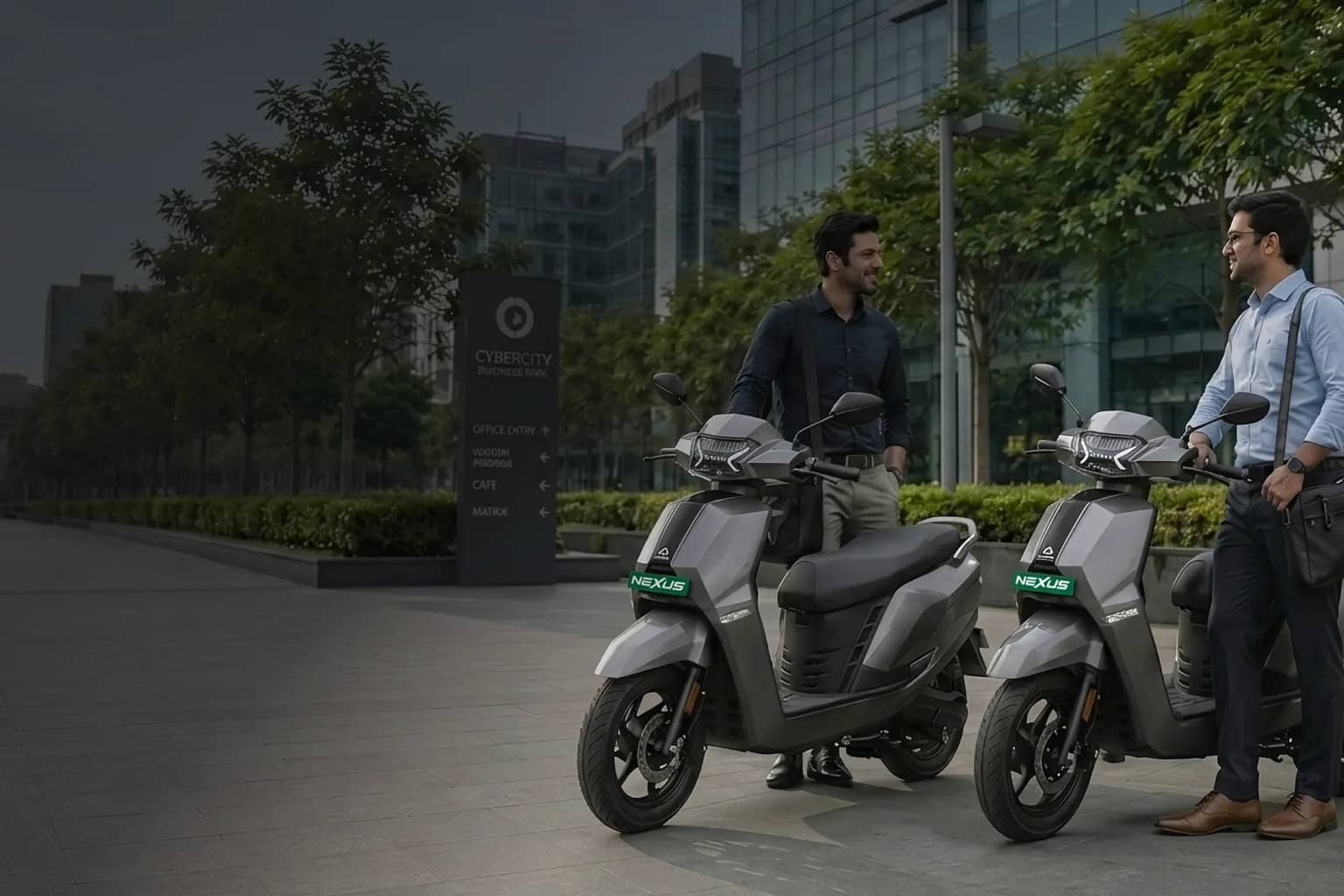
NEW DELHI: If you are planning to buy an electric scooter or motorcycle before Diwali, the central government's PM E-DRIVE incentive is still available, but it is smaller than many buyers remember. Under the latest notification from the Ministry of Heavy Industries, the subsidy on a registered electric two-wheeler is Rs 2,500 per kWh of battery capacity, capped at Rs 5,000 per vehicle.
The support had been due to end for two-wheelers on 31 July 2026. A gazette notification dated 10 August 2026, S.O. 4424(E), extended it for registered electric two-wheelers until 31 March 2028, the end date for the whole scheme. Here is how the incentive works now, who qualifies, and what to check at the showroom.
How much subsidy you actually get
The incentive is calculated on the battery size. For vehicles sold from 1 April 2025 to 31 March 2028, the rate is Rs 2,500 per kWh, with a ceiling of Rs 5,000 per vehicle. It is also limited to 15 percent of the vehicle's ex-factory price, and the lower of these amounts applies.
In practice, that means most mainstream scooters hit the Rs 5,000 cap. A scooter with a 2 kWh battery works out to exactly Rs 5,000. Anything with a bigger battery, say 3 kWh or 4 kWh, still gets only Rs 5,000. A smaller 1.5 kWh pack would earn Rs 3,750, as long as that is below 15 percent of the ex-factory price.
This is half of what buyers got in the scheme's first year. In 2024-25, the rate was Rs 5,000 per kWh, capped at Rs 10,000 per vehicle. Anyone comparing today's prices with what a neighbour paid in late 2024 should keep that Rs 5,000 difference in mind.
Which vehicles qualify
There are three basic conditions. The first is price: only electric two-wheelers with an ex-factory price of up to Rs 1.5 lakh are eligible. Ex-factory price is the manufacturer's price before dealer margins, taxes and charges, so it is lower than the ex-showroom price you see in advertisements.
The second is registration. The incentive is meant for registered electric two-wheelers, the kind that need a number plate and an RTO registration. The scheme portal says privately owned and corporate owned registered e-2Ws are covered alongside those registered for commercial use. Low-speed scooters that do not need registration are not part of this support.
The third is technology. The ministry says the benefit is extended only to vehicles fitted with an advanced battery, and the manufacturer has to get the model approved under the scheme. Not every scooter on a showroom floor is automatically eligible, even if it is under the price ceiling.
How the money reaches you
Buyers do not apply to the government themselves. The incentive is passed on as a lower price at the time of purchase, and the manufacturer later claims it from the ministry.
To make this traceable, the PM E-DRIVE portal generates an e-voucher for each buyer at the time of purchase. According to the portal, the e-voucher is authenticated through e-KYC using Aadhaar face authentication, and a link to download it is sent to the buyer's registered mobile number. Keep that phone handy when you go to finalise the deal.
The invoice should show the incentive clearly. If a dealer quotes a price "including subsidy", ask to see the figure before and after the PM E-DRIVE amount, and make sure the e-voucher is generated in your name.
The money is limited
The August notification sets a ceiling of 45,79,120 electric two-wheelers that can be supported under the scheme, with a total of Rs 2,767 crore set aside for the segment. The overall PM E-DRIVE outlay now stands at Rs 11,900 crore.
The notification is clear that this is a fund-limited scheme. If the money for a segment runs out before 31 March 2028, that part of the scheme closes and no further claims are accepted. This has already happened once: the support for L5 electric three-wheelers closed on 26 December 2025.
The ministry also says the per-kWh amount is subject to review as vehicle costs fall, and changes will be notified from time to time. Manufacturers must submit all claims by 31 December 2027.
What it means for festive buyers
For most buyers, the subsidy is now worth Rs 5,000 at most. That is useful, but it is no longer the deciding factor it once was. Battery warranty, service network, real-world range and the total on-road price will usually matter more.
It still pays to compare. Two scooters with similar ex-showroom prices may differ by Rs 5,000 on the final bill if one is approved under PM E-DRIVE and the other is not. Some makers also offer battery rental plans that change the upfront price in a different way, which we explained in our guide to Battery as a Service prices.
New options keep arriving as well. Ola Electric's third-generation S1 range, covered in our report on Ola S1 3rd Gen prices, and the electric scooters that helped TVS Motor post a 110 percent jump in electric two-wheeler sales in September are among the models buyers will be weighing this season.
A quick checklist
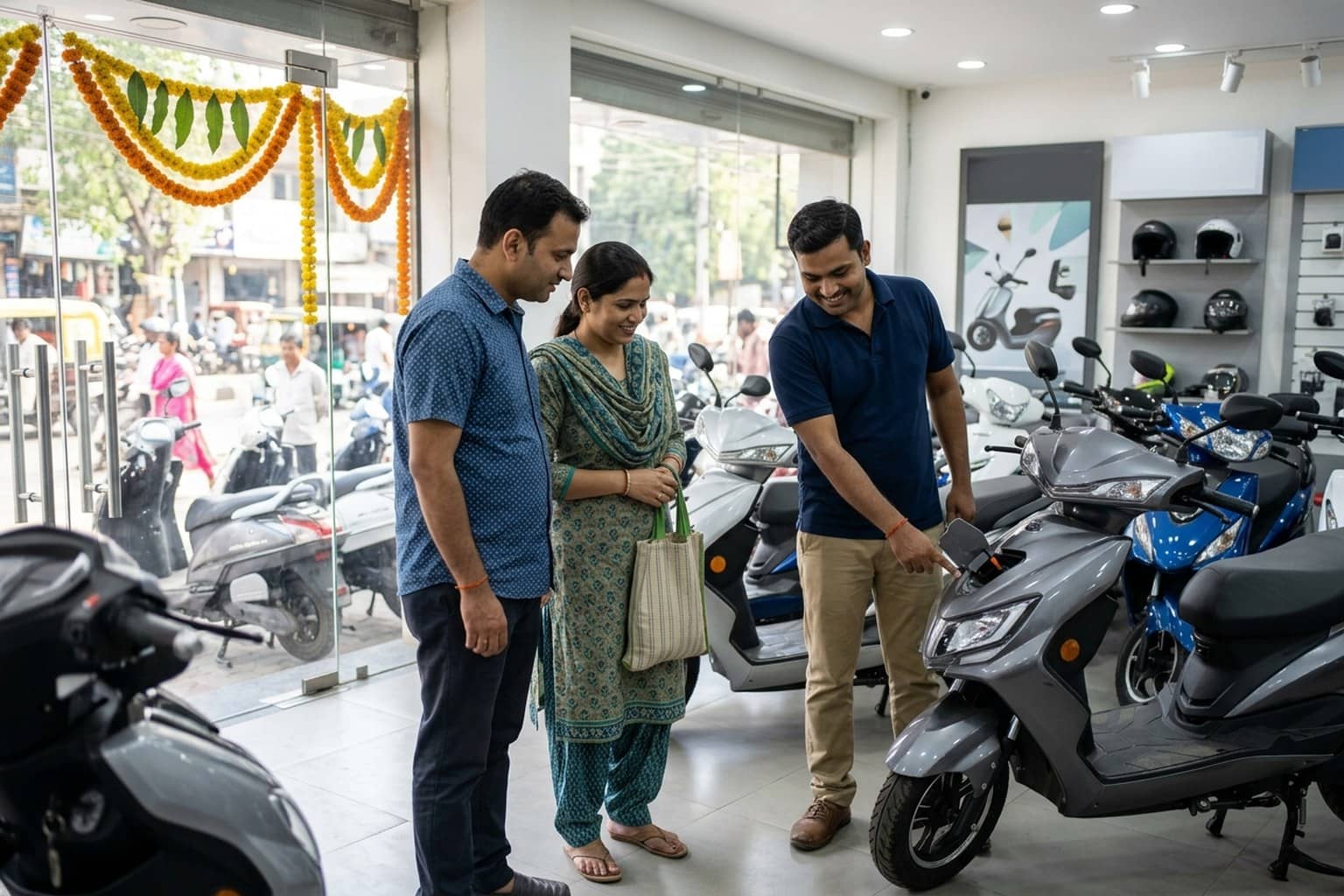
Before you pay, ask the dealer whether the exact variant you want is approved under PM E-DRIVE. Ask for the ex-showroom price, the incentive amount and the on-road price in writing. Carry your Aadhaar-linked phone for the e-voucher, and check that the incentive appears on the invoice.
Finally, remember that state EV policies are separate. Some states offer their own road tax or registration waivers on electric vehicles, and those benefits are decided by state transport departments, not by the central scheme.
The scheme details are on the official PM E-DRIVE portal, and the August amendment is in the Ministry of Heavy Industries gazette notification S.O. 4424(E).