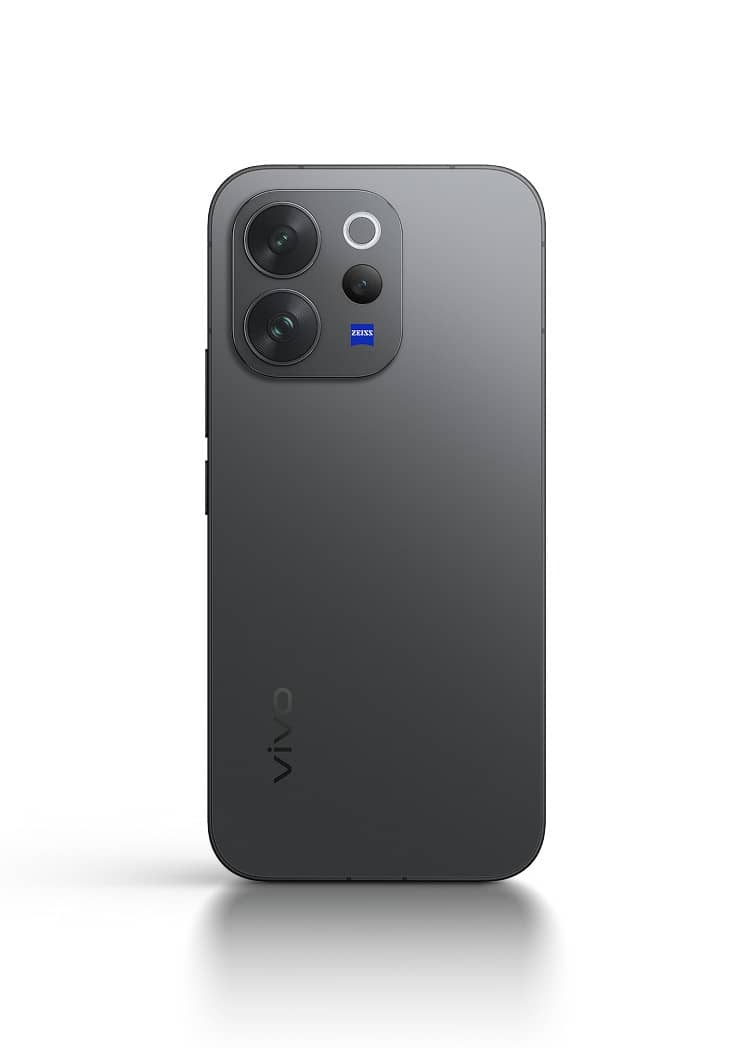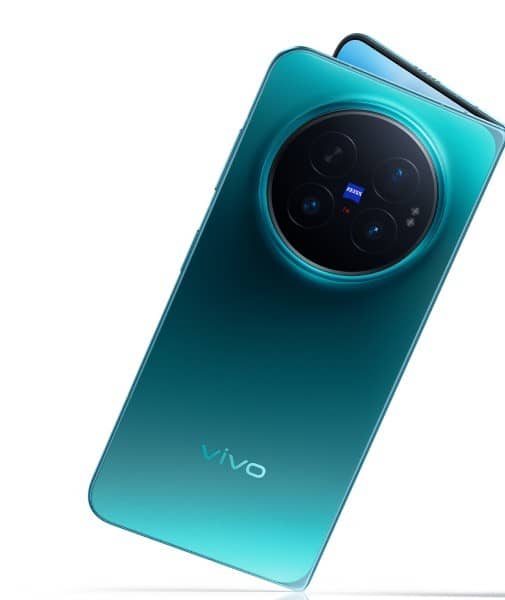
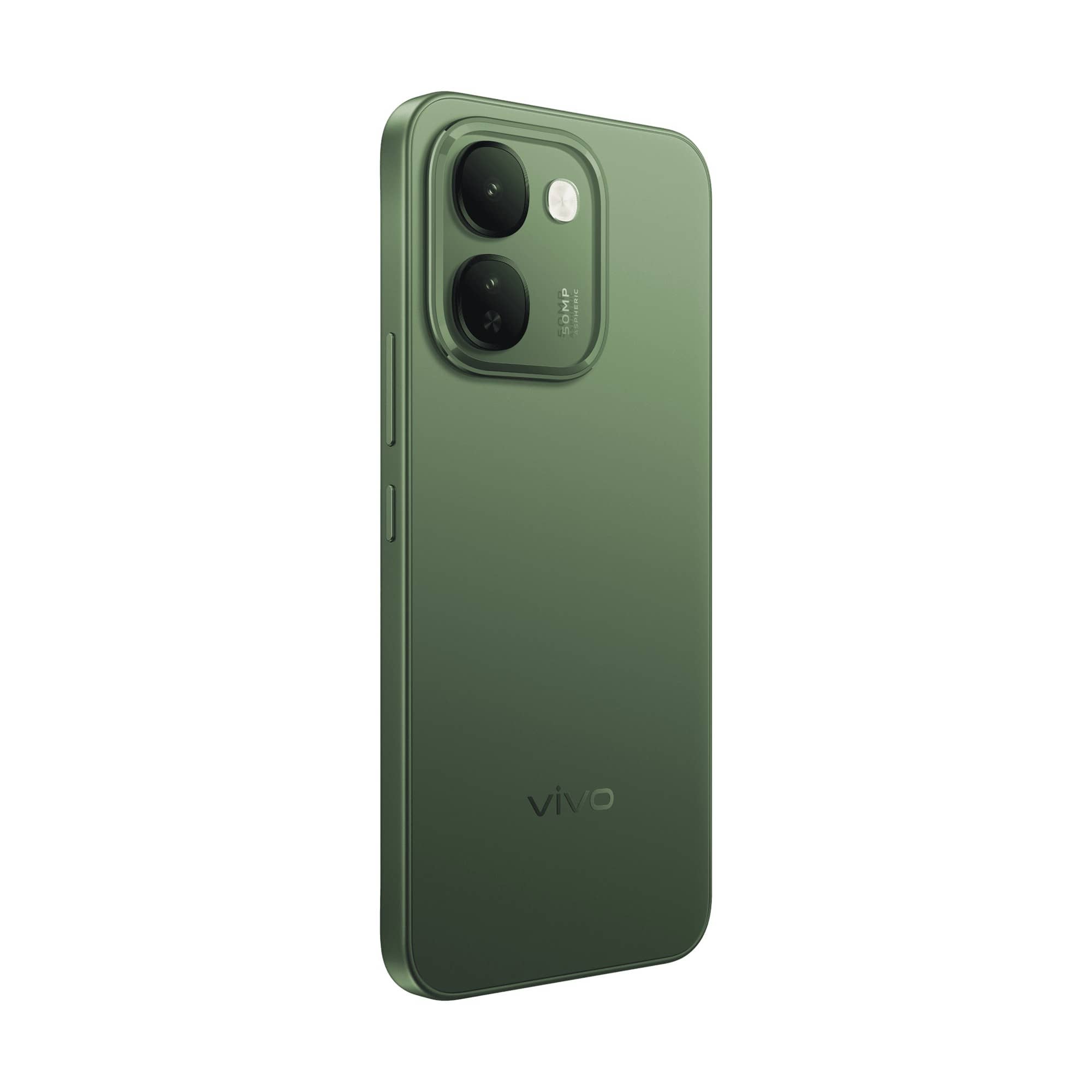
Look closely at the small print under any big battery number on a phone page and you will usually find a second, smaller number. The vivo S2 FE launched on 6 October is sold as a 10,000 mAh phone, but its footnote says the rated capacity is 9,800 mAh. Samsung's Galaxy Z Fold8 is listed at 4,800 mAh, with a rated capacity of 4,660 mAh. Neither company is hiding anything. They are just using two different measures, and knowing the difference helps you compare phones honestly.
We went through the footnotes on the official India pages for six phones on sale or launching this month to explain what these numbers mean and what they do not tell you.
Typical and rated: the two numbers
The big number in the headline is the typical capacity. Samsung's footnote spells it out: typical value is "the estimated average value considering the deviation in battery capacity among the battery samples tested under IEC 61960 standard", tested in a third-party laboratory. IEC 61960 is an international standard for testing lithium batteries used in portable devices.
No two battery cells come off a production line exactly the same. Some hold a little more charge, some a little less. The typical figure is roughly the average across samples. The rated capacity is the lower, more conservative figure that the maker declares for the battery. Think of it as the number every unit should reach, while the typical figure is what an average unit reaches.
Brands put the typical number in the headline spot on their pages because it is bigger. The rated number sits in the footnotes. Both are legitimate. The trick is to compare like with like.
The numbers, phone by phone
Here is what the official India pages list, typical capacity first and rated capacity second:
- vivo S2 FE: 10,000 mAh typical, 9,800 mAh rated.
- vivo V80: 7,200 mAh typical, 7,015 mAh rated.
- vivo X Fold6: 6,900 mAh typical, 6,670 mAh rated.
- vivo V70: 6,500 mAh typical, 6,320 mAh rated.
- Samsung Galaxy Z Fold8 Ultra: 5,000 mAh typical, 4,854 mAh rated.
- Samsung Galaxy Z Fold8: 4,800 mAh typical, 4,660 mAh rated.
The gap between the two numbers ranges from about 2 percent on the S2 FE to about 3.3 percent on the X Fold6. That is small. It will not change which phone lasts longer in your pocket, but it does mean that when one brand quotes typical capacity and another quotes rated capacity, the comparison is slightly unfair to the second phone. Most brands in India lead with the typical figure, so in practice the headline numbers are usually comparable.
Why a bigger number does not always mean longer life
Battery capacity is only the size of the fuel tank. How far you go depends on the engine. The chip, the screen size and refresh rate, the software and even your mobile signal decide how fast that capacity drains.
That is why brands also publish usage figures, and these are more useful than mAh alone. vivo says the V70 manages up to 40 hours of video playback, 11 hours of navigation and 6 hours of 4K 60fps recording, figures from vivo's own labs. vivo quotes up to 30 hours of binge-watching video and 68 hours of talk time for the S2 FE. Samsung quotes up to 26 hours of video playback for the Galaxy Z Fold8, and adds that playback time may vary with network, settings, file format, brightness and battery condition.
These are lab numbers under fixed conditions, and real life is messier. But they are better for comparing two phones from the same brand, because the brand tests them the same way. Comparing one brand's lab hours with another's is less reliable, since the test conditions differ.
Cycle life: how long the battery stays healthy
The newer claim to watch is battery health over time. Every battery loses capacity as it is charged and drained. vivo says the S2 FE's battery keeps at least 80 percent of its capacity after 1,400 full charge cycles. Its footnote explains the test: vivo's own labs, battery temperature held at 23 degrees Celsius, give or take 2 degrees, with full charge and discharge.
vivo then converts this to "approximately 7 years of use", based on one full cycle every 1.83 days. The maths checks out: 1,400 cycles at 1.83 days each is about 2,560 days, or roughly seven years. But Indian summers are a lot hotter than 23 degrees, and heat is hard on batteries. If you game while charging or leave the phone in a hot car, expect faster wear than the lab figure.
The S2 FE uses a fourth-generation silicon anode battery, according to vivo, which the company says lets it offer that capacity without the bulk.
Charging claims have footnotes too
Charging speed claims depend on the charger. vivo's V70 footnote says 90W FlashCharge means vivo's standard charger supports up to 90W. The V80 page says it charges to 50 percent in 30 minutes in Fast Charging Mode, a specific setting. Samsung's Galaxy Z Fold8 listing notes that a travel adapter is not included in the box, so the speed you get depends on the charger you already own or buy.
Some phones now offer bypass charging, which vivo lists on the V70. When you game or stream while plugged in, power goes straight to the phone instead of through the battery, so the battery is not being charged and drained at the same time.
What to check before you buy
When you compare two phones, use the same type of number for both. If one page says typical and the other says rated, convert them in your head, roughly 2 to 3 percent apart.
Look for usage hours from the brand's own tests, and compare them only within the same brand. Look for a cycle life claim if you plan to keep the phone for four years or more. And check whether the charger is in the box, because a 90W claim means little with a slow adapter.
If you are shopping for a big-battery phone this month, our report on vivo V80 India prices and sale date and our Diwali phone upgrade guide by budget cover current options. For a look at how a slim foldable holds up over a full week, read our week with the Galaxy Z Fold 8.