NEW DELHI: Maruti Suzuki's public recall register lists 26 Super Carry vehicles manufactured from 17 February to 21 February 2026 for a possible defect in the front driver seat adjuster assembly. Owners should check the individual vehicle's campaign status rather than assume that every pickup from that period still needs work.
| Recall detail | Official information |
|---|---|
| Model | Super Carry |
| Vehicles covered | 26 |
| Manufacturing period | 17 February to 21 February 2026 |
| Component | Front driver seat adjuster assembly |
| Remedy | Inspection and replacement of affected parts, free of cost |
What the notice means for the driver
The suspected fault can allow the seat to slide unintentionally in a rare case. The notice concerns the adjustment assembly, rather than a general complaint about seat cushioning or driving comfort. SIAM's manufacturer-submitted recall database also records this campaign, dated 22 May 2026, for petrol and CNG versions.
For a commercial pickup, a driver's seat is part of the working position from which the pedals, steering wheel and gear lever are used. That is why an apparently small seat adjustment issue deserves a specific campaign check. Treating it as an upholstery job could miss the component named in the recall.
Start with the vehicle, then the paperwork
A sensible first step is to gather the registration certificate, purchase invoice and any earlier service paperwork. Keep the vehicle identifier visible in your own records when using the manufacturer's check facility. A registration date alone should not be treated as proof of the production date mentioned in the campaign.
Maruti's notice provides a Check Now facility and says authorised dealer workshops will contact affected owners. Use that official route to establish applicability. An owner who has not received a message can still check the record; silence by itself does not establish whether the vehicle is included or already repaired.
Ask for confirmation of both applicability and completion. These are separate questions. A vehicle can belong to the affected production group yet have had the campaign repair completed earlier. For an operator taking over a pickup from another owner, the useful evidence is the recorded repair against that vehicle.
Keep the workshop visit specific
When arranging an inspection, describe the campaign as a front driver seat adjuster check. Avoid reducing the request to a loose seat complaint, which could lead to a different initial diagnosis. Request that the job card identify the recall assessment so the final paperwork can be matched to the original concern.
The published remedy is free inspection and replacement of the affected parts. If the same visit includes routine service, tyres or unrelated repairs, ask for those items to be itemised separately. This helps an operator understand the bill without confusing ordinary maintenance expenditure with the recall remedy.
Do not attempt to prove the suspected fault by deliberately loading or forcing the seat mechanism. The purpose of an official inspection is to establish the vehicle's status and the required work. An improvised test adds little useful evidence and could leave the operator with a different problem to explain.
A fleet record is more useful than a forwarded message
For a fleet, maintain a record linking each pickup to its campaign result and workshop document. A message saying that a batch has been checked is less useful than an identifiable vehicle record. If drivers rotate between vehicles, make sure the person scheduling maintenance can find that paperwork later.
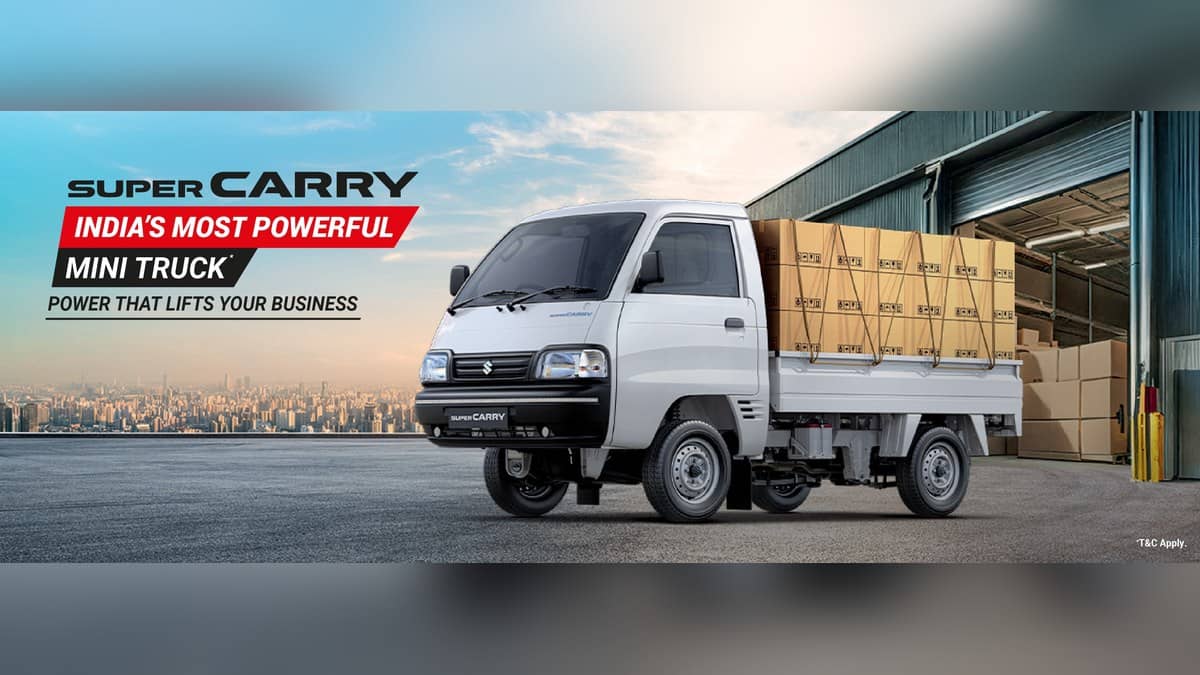
The current Super Carry product page separately describes petrol, CNG and cab chassis configurations. Those descriptions help identify the product range, but a matching fuel badge is insufficient to establish recall eligibility. The production group and the manufacturer's vehicle-level response remain the relevant checks for this seat adjuster campaign.
This is an ownership guide to an existing notice, not a claim that the recall was announced today. The public notice does not establish how many vehicles remain unrepaired. Before putting a checked pickup back into its normal duty cycle, retain the workshop's written outcome with its service history.
Related reading: Super Carry variant names explained; The commercial pickup price comparison; Eeco passenger versions.
Official sources: Maruti Suzuki customer recall register, SIAM recall database and Super Carry product page.