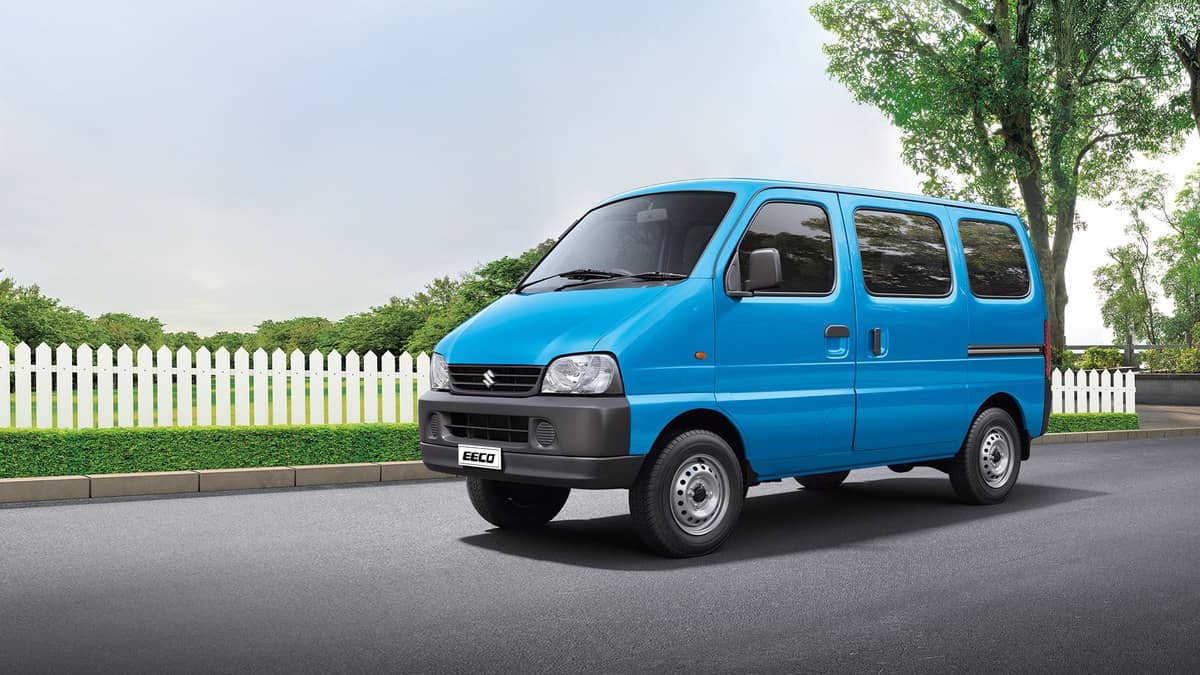
NEW DELHI: Maruti Suzuki Eeco passenger prices run from Rs 5,28,400 for the 5 Seater Standard to Rs 6,45,800 for the 5 Seater AC CNG on the official Delhi-selected page. These are the starting ex-showroom figures shown for each passenger version. The choice involves seating, air conditioning and fuel, rather than a conventional ladder of luxury trim grades.
| Passenger variant | Seats | Fuel | Listed starting price |
|---|---|---|---|
| 5 Seater Standard | 5 | Petrol | Rs 5,28,400 |
| 6 Seater Standard | 6 | Petrol | Rs 5,54,900 |
| 5 Seater AC | 5 | Petrol | Rs 5,61,300 |
| 5 Seater AC CNG | 5 | CNG and petrol | Rs 6,45,800 |
Price as of 30 October 2026, 00:15 IST. This table covers the passenger range. The Ambulance and Ambulance Shell entries on the same website serve a different purpose. Maruti says the price prevailing at invoicing applies.
Read the seats before the price
Keep the full passenger variant name on each quotation. The seat count and AC label should remain visible when a dealer sends a total, so that two different configurations are never treated as competing quotes for the same van.
The most useful way to approach this list is to write down the passenger count for an ordinary journey first. A household that regularly fills the car needs to examine the seating arrangement in person. An occasional extra passenger and a daily full cabin are different requirements, even when both lead someone to search for a larger vehicle.
In this range, the six-seat entry carries the Standard name. The AC and factory CNG passenger entries carry five-seat names. Do not read the more expensive entry as automatically adding every feature of the cheaper one. Eeco's list branches according to use, so moving down the price table can change the cabin arrangement instead of simply adding equipment.
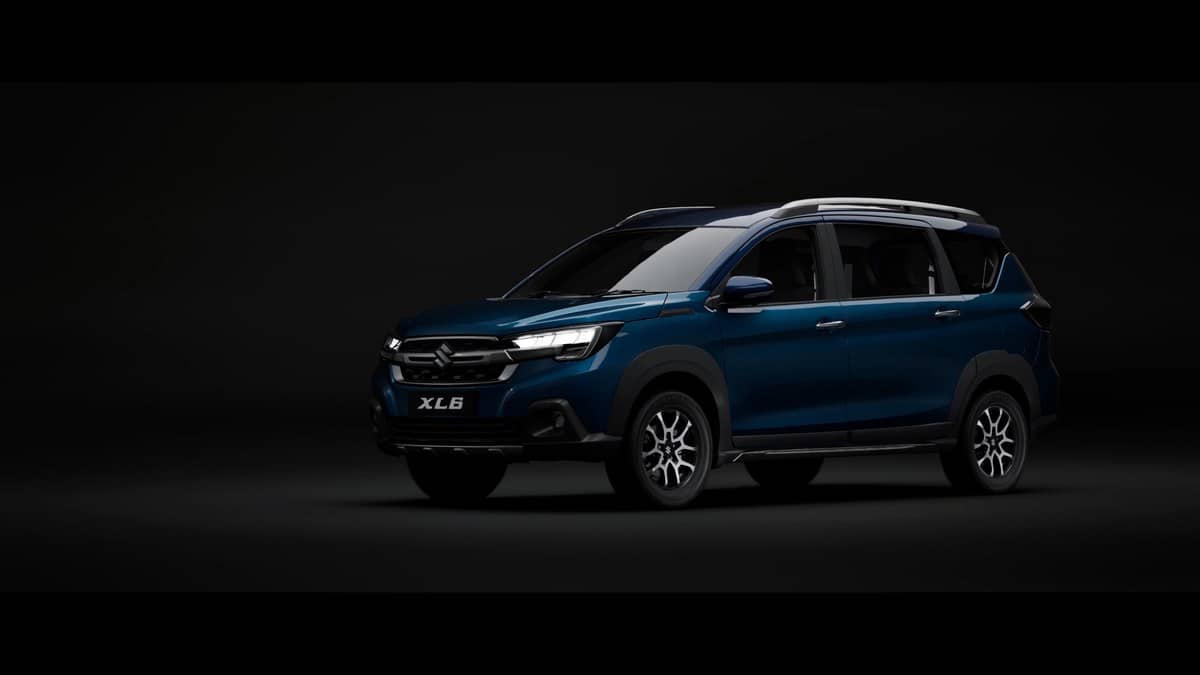
For wider context, our Ertiga and XL6 price guide covers other Maruti people movers. Compare the actual seats and access arrangements as well as the headline budget when building a family shortlist.
What the mechanical package tells you
The passenger listings use a 1,197 cc engine and manual transmission. Maruti's comparison identifies a five-speed manual, a 3,675 mm length, 1,475 mm width and 4.5-metre turning radius for the Standard passenger versions. Those measurements help frame a parking-space check, but cannot tell you how easily a particular family member will get in.
Measure the approach to your parking spot as well as the space itself. Then inspect the door opening with the person who will use the rear seat most often. A van can suit a narrow parking footprint while still asking its occupants to make compromises over their preferred seating position or luggage placement. Those are questions a specification sheet cannot settle.
Keep the fuel calculation separate
Maruti lists petrol efficiency at 19.71 km/l and the CNG entry at 26.78 km/kg. The different units matter. A kilometre-per-kilogram number cannot be compared directly with a kilometre-per-litre number to calculate a saving. Use the relevant local fuel price and your own expected driving pattern, while treating published efficiency as a reference rather than a promised daily result.
A useful worksheet records monthly distance, the fuel bill and time spent reaching a convenient filling point. It should also leave room for a luggage check on the CNG vehicle itself. Our Maruti CNG range guide supplies broader model context without replacing that practical inspection.
Check the exact passenger vehicle
The current Eeco page states that six airbags are standard across passenger variants. Confirm the passenger designation on the quotation and vehicle paperwork, particularly when the online catalogue also displays specialist versions. A shared model name should not be used to assume that a family van and a vehicle built for a different task have interchangeable specifications.
Finally, keep the ex-showroom line separate from the final payable amount. Request an itemised quotation and match the full variant name to the table before comparing totals. Readers considering a goods vehicle instead can use our Super Carry variant explainer to understand why a passenger seating requirement calls for a different catalogue.
Official sources: Eeco passenger listings and specifications; Eeco product page.