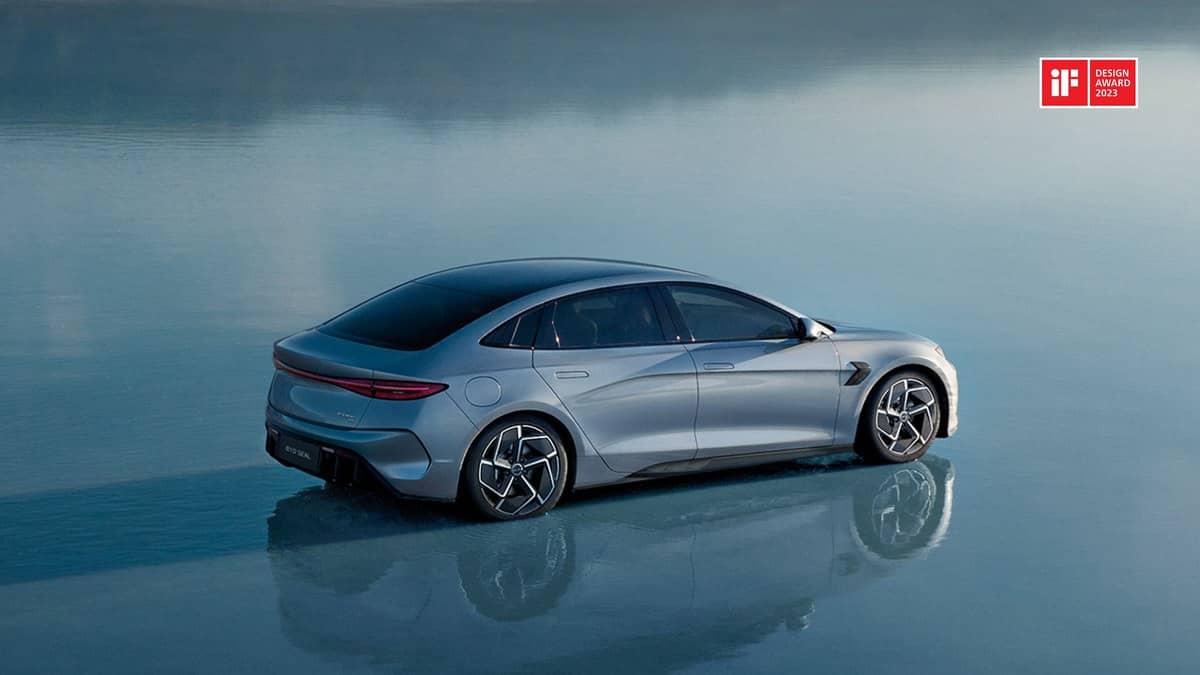
NEW DELHI: BYD's India SEAL product page describes a 26-minute DC charging session from 30% to 80% using 150 kW charging capacity. It is a partial recharge claim with a specified starting point, not the time to fill an empty battery or a promise for every public charging stop.
| Published item | What the official page says |
|---|---|
| DC charging claim | 26 minutes |
| Starting battery level | 30% |
| Finishing battery level | 80% |
| DC capacity quoted with claim | 150 kW |
| AC connection | Type 2, 7 kW, for Dynamic, Premium and Performance |
The starting percentage belongs with the time
The headline number is useful only when its charging window travels with it. A driver arriving with less charge is asking the charger to replenish a different amount of energy. A driver leaving with more charge is also asking for a different session. Neither situation is represented by the published interval.
The difference between the quoted endpoints is 50 percentage points. That calculation describes the share of the battery-level scale covered by the claim. It does not establish the electricity drawn from the grid, the charging bill or the number of kilometres that an owner will subsequently drive.
This matters particularly for the SEAL because the official India model table lists different batteries. Dynamic is shown with 61.44 kWh, while Premium and Performance have 82.56 kWh. A percentage is a fraction of the particular battery, so the same displayed change should not be assumed to mean the same energy quantity across those versions.
Keep the variant beside the charging specification
The product page's charging paragraph does not provide a separate DC time-and-power row for each Indian variant. Its explicit AC statement does name all the versions. This report therefore attributes the DC figure to the page's general claim and does not assign a verified individual DC rating to Dynamic, Premium or Performance.
For someone preparing a trip, that missing variant mapping is a practical limit. Match the supplied vehicle specification and charging instructions to the exact car. A generic model presentation is not enough evidence to infer that every version can reproduce the most prominent fast-charging number.
The Type 2 AC specification answers a different question from the DC claim. The Bureau of Energy Efficiency's electric mobility material distinguishes alternating-current and direct-current charging. A home or workplace AC connection should therefore be evaluated on its own terms, rather than having the DC session time carried across to it.
A charging stop includes more than the battery interval
The advertised window also leaves ordinary trip logistics outside the number. Finding the charger, positioning the car, starting the operator's session and completing the stop all take place around the energy transfer. This is a planning distinction, not an estimate of how long any particular Indian charging site will keep a driver waiting.
Record the starting percentage and the required departure percentage when comparing stops. Then check the connector and the car's supported specification. That produces a useful description of the planned session without treating a charger label as a guarantee of the elapsed time for the whole visit.
Do not calculate a full-charge duration by multiplying the 26-minute figure. The manufacturer has described a particular interval. It has not supplied, in that paragraph, a complete charging curve from empty to full. Extending the number beyond its stated endpoints would turn an official claim into an unsupported estimate.
Charging context for an Indian SEAL owner
The SEAL's appeal as an electric sedan does not remove the need to separate home replenishment from travel stops. A household checking an AC installation is assessing whether the car can be charged where it normally parks. A highway driver is assessing a particular public DC session. Those situations need separate information even when the same vehicle serves both.
Our BYD SEAL price list: Rs 41,50,000 to Rs 53,65,000 provides the model's variant-price context. For a different charging window, see the BYD ATTO 3 price list: Rs 24,99,000 to Rs 34,49,000; the starting and finishing percentages must remain visible when comparing the two manufacturers' claims.
The separate BYD luxury brand Denza announces India entry, no price or launch date yet covers actual charging locations. Infrastructure information and a car's advertised charging interval answer different parts of a journey-planning question. For the SEAL figure, retain the complete description: the quoted time, the battery window and the DC capacity.
Official sources: BYD India SEAL product page, BYD India variant and battery table and BEE electric mobility information.