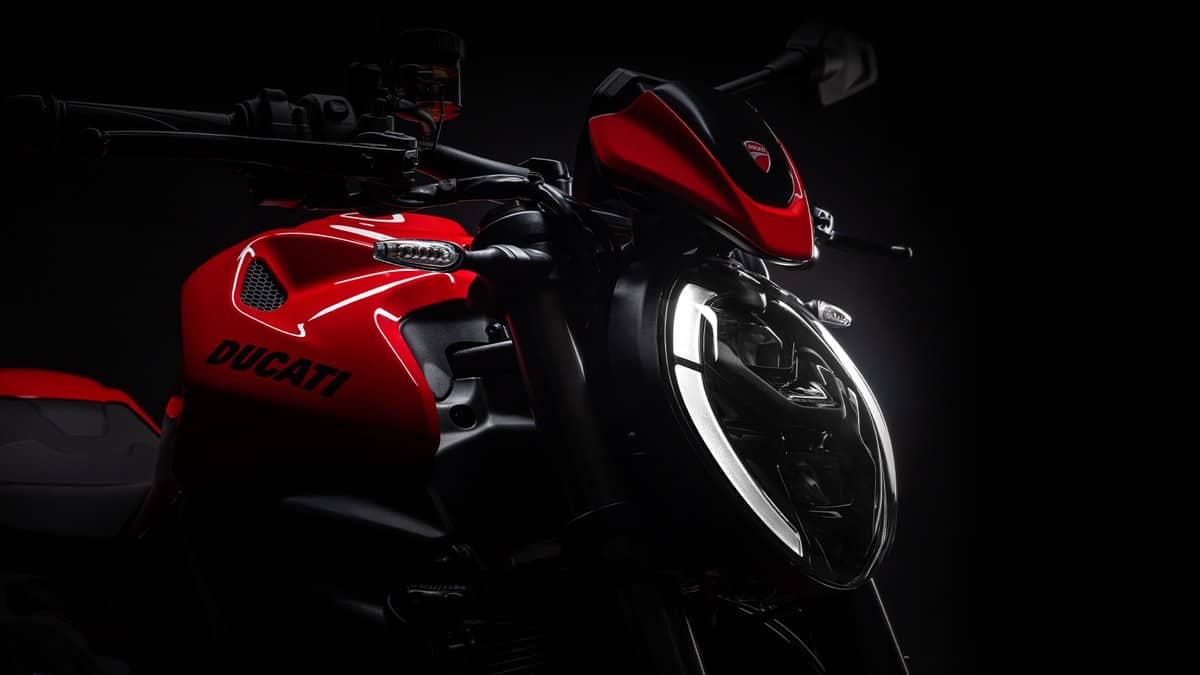
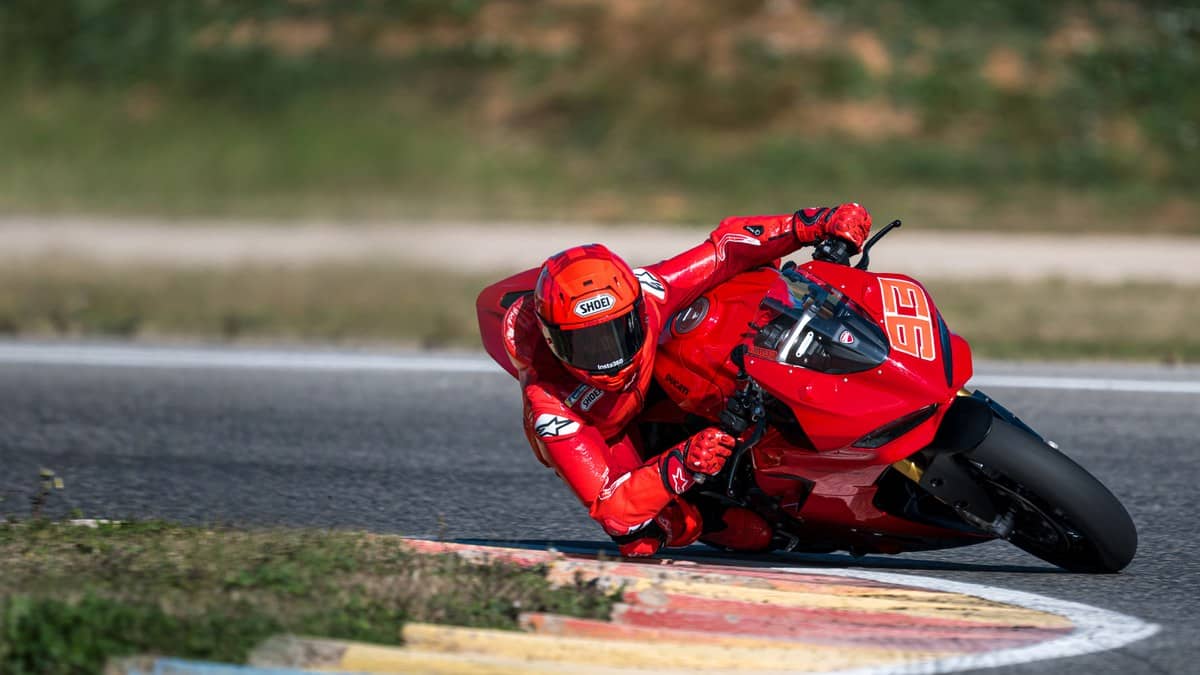
NEW DELHI: Ducati India's Panigale V2 listings start at Rs 19,51,000 for the standard motorcycle in Ducati Red. The Panigale V2 S starts at Rs 21,53,000 in Red and Rs 21,86,000 in Ducati Yellow. All are advertised ex-showroom India starting prices. The versions share their engine output, while the S changes important chassis equipment. Price as of 26 October 2026, 14:20 IST.
| Version | Colour | Starting price, ex-showroom India | Suspension |
|---|---|---|---|
| Panigale V2 | Ducati Red | Rs 19,51,000 | Marzocchi fork, Kayaba rear shock |
| Panigale V2 S | Ducati Red | Rs 21,53,000 | Ohlins fork and rear shock |
| Panigale V2 S | Ducati Yellow | Rs 21,86,000 | Ohlins fork and rear shock |
Two versions, with a separate colour choice
The table covers the standard V2 and V2 S configurations displayed on the Indian model page. Yellow is listed for the S, while the standard motorcycle is shown in Red. This makes the price ladder a combination of equipment version and colour, rather than a series of progressively more powerful engines.
The wording attached to the amounts matters. Ducati calls them starting prices, so the upper figure is the listed entry price for the Yellow S configuration, not a ceiling on a motorcycle with accessories. This guide records the displayed amounts without adding estimated registration, insurance or accessory charges.
Suspension is the clearest S distinction
The standard Panigale V2 has a fully adjustable 43 mm Marzocchi upside-down fork and a fully adjustable Kayaba rear shock. The S uses a 43 mm Ohlins NIX30 fork and an Ohlins rear shock. The standard version therefore already offers suspension adjustment; the S substitutes different hardware.
That is a meaningful distinction for a model presented for both road and circuit use. Adjustment allows the chassis setup to be tailored, but a brand name on a fork is not, by itself, a road-test result. The official specifications establish what is fitted, while ride quality and track pace require assessment in use.
The braking specification is shared. Ducati lists Brembo M50 front calipers with twin 320 mm discs and a 245 mm rear disc, alongside cornering ABS. The S is not described as a separate displacement class or a motorcycle with an entirely different basic braking layout.
The current V2 engine explained
Both versions use an 890 cc engine rated at 120 hp at 10,750 rpm and 93.3 Nm at 8,250 rpm. These figures identify the current V2 generation covered by the price table. The name alone is not enough when comparing a current specification with an older Panigale document.
Ducati's separate engineering explanation describes Intake Variable Timing as a system that alters inlet-valve timing according to operating conditions. The purpose is to balance response lower in the rev range with performance higher up. It is a mechanical part of the engine design, distinct from the rider selecting a throttle-response mode.
The engine page also describes hollow-stem intake valves and a spring-return arrangement, alongside a layout intended to keep the unit compact. These details help explain how Ducati has approached its newer twin-cylinder platform. They do not mean that every motorcycle using the platform has the same tune or riding position.
Road ergonomics within a sports-bike layout
The Panigale Insights page describes raised semi-handlebars mounted above the steering head, with alternative racing handlebars offered as accessories. It also discusses the tank's role in supporting the rider under braking. Those details are more specific than simply calling the motorcycle comfortable or uncomfortable.
The published seat height is 837 mm and tank capacity is 15 litres. Neither figure measures comfort by itself. The relationship between bars, seat and footpegs remains central to this sports-bike layout, particularly when the same motorcycle is used for a road journey and a circuit session.
Electronic controls and the price table
Ducati lists Race, Sport, Road and Wet riding modes in its detailed explanation. The model also has traction, wheelie and engine-brake controls, a colour TFT screen and Ducati Quick Shift. These systems address different riding tasks, so their names should not be treated as interchangeable descriptions of a single feature.
The accessory list is separate from standard equipment. Connectivity, navigation and other additions displayed in the wider product presentation do not establish an included package price. That leaves the central comparison clear: the same published engine output, different suspension equipment, and a separate Yellow option for the S.
Related reading: our Kawasaki Ninja price coverage, Kawasaki middleweight guide and Suzuki Hayabusa edition report.
Official sources: V2 engine engineering, Panigale Insights and Ducati India model prices and specifications.