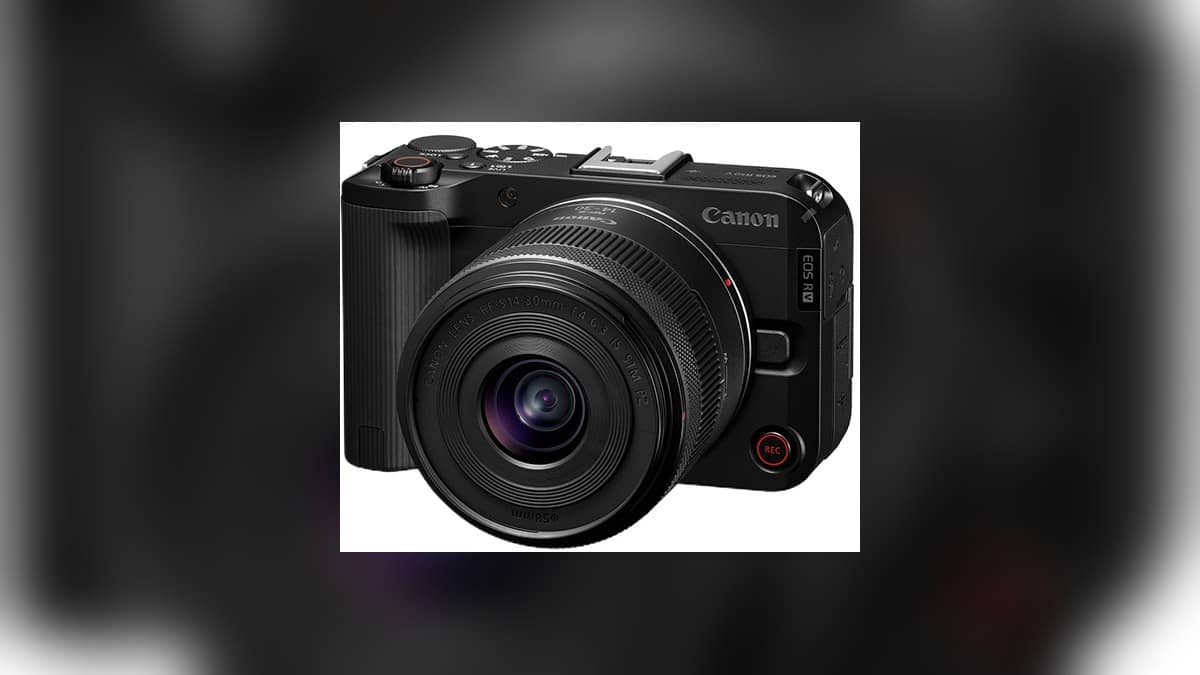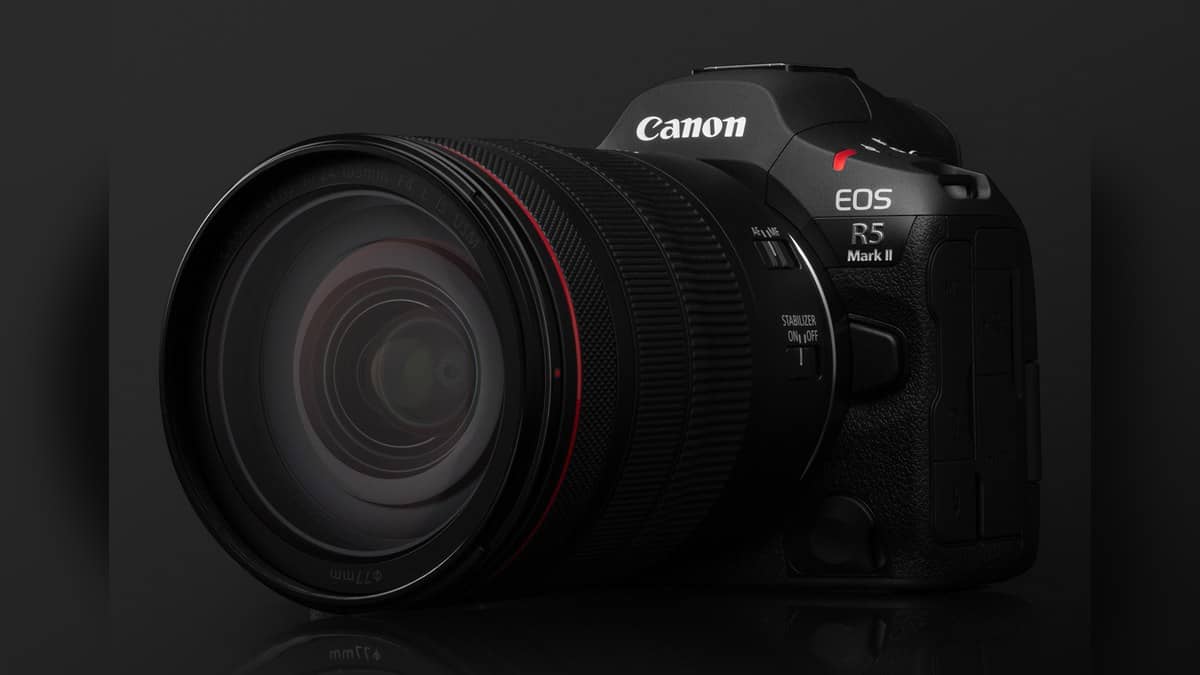
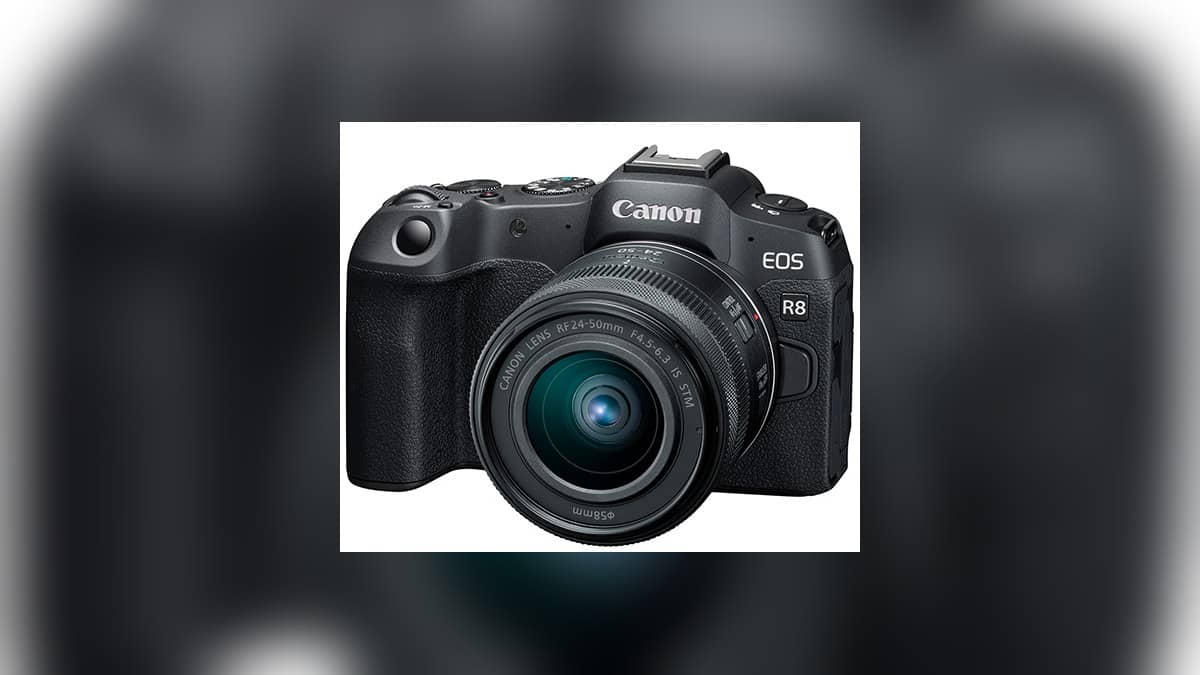
NEW DELHI: Canon India's EOS R8 body has the lower published MRP at Rs 1,42,995, compared with Rs 1,78,995 for the EOS R8 Mark II body. Both figures include taxes. The Rs 36,000 difference is between body prices, making this a direct comparison before adding a lens.
| Official India specification | EOS R8 | EOS R8 Mark II |
|---|---|---|
| Body MRP, taxes included | Rs 1,42,995 | Rs 1,78,995 |
| Effective sensor resolution | Approximately 24.2MP, full-frame | Approximately 24.2MP, full-frame |
| Electronic-shutter burst | Up to 40 fps | Up to 40 fps |
| 4K 60p | 6K oversampling | 6K oversampling |
| Sensor-shift in-body stabilisation | No | Yes, five-axis |
Price as of 30 October 2026, 01:03 IST. These are Canon's maximum retail prices for the named bodies. A camera-and-lens package is a different configuration, and the published body gap does not establish the total cost of either complete system.
The comparison keeps both products at body level, so the difference remains visible even before selecting the lens needed for a particular assignment.
The change goes beyond the megapixel figure
The shared headline resolution and electronic burst rate make the stabilisation change particularly significant in this comparison. Canon lists no sensor-shift stabiliser for the original R8. The Mark II page describes built-in stabilisation and up to 7.5 stops of Coordinated Control IS with compatible lenses.
For a photographer documenting buildings after sunset, that distinction is more useful than simply asking which body is newer. The scene, the intended shutter speed and the lens all shape the value of stabilisation. A compatibility-dependent maximum should remain attached to those conditions when the feature is discussed.
It also separates two questions that can become blurred in a showroom conversation: how much camera movement can be controlled, and how the subject itself is moving. An assessment of handheld stability should use an appropriate scene. A moving performer and a stationary architectural detail create different photographic problems even when photographed from the same position.
Creative processing is part of the newer model
Canon gives the Mark II 16 colour filters, including NegativeFilmtone and PositiveFilmtone, and a Handheld Night Scene mode with five colour options. It also lists pre-continuous shooting that retains up to 20 frames before the shutter is fully pressed.
For a travel photographer building a coherent set of pictures across an Indian city, the filter tools suggest a workflow question: should the look be settled during capture or developed later? An in-camera look can be part of the creative approach, but consistency still depends on choosing when to apply it and keeping the project's intended appearance in mind.
The earlier R8 already has a substantial video specification. Canon's model history describes uncropped 4K 60p created through 6K oversampling and Full HD high-frame-rate recording. Its movie pre-recording option can retain footage from before the recording cue, with restrictions for high-frame-rate and time-lapse capture.
Similar headline modes can serve different workflows
That existing video capability gives the comparison a specific shape. The Mark II's case cannot be reduced to introducing 4K 60p to the family, because the original model already lists it. The relevant differences include the newer stabilisation arrangement and creative functions, alongside the user's existing lenses and preferred way of producing a finished image.
The original R8's official weight is approximately 461g including battery and memory card. Canon's historical description places portability at the centre of that model's design. For someone carrying a camera throughout a walking assignment, evaluating the attached lens and accessories alongside the body remains more informative than considering the body in isolation.
A studio keeping an existing R8 in service can use this comparison to identify what changes in the shooting process, while a new system user first needs a complete configuration. The published MRP difference answers the body-price question precisely. It does not by itself answer which controls, recording mode or lens combination fits an assignment.
Related coverage includes our Canon PIXMA TR160 vs SELPHY CP1500 price: CP1500 starts lower at Rs 11,995, Canon MAXIFY GX1070 and GX2070 price list: Rs 29,340 to Rs 33,275 and Canon PIXMA G1730, G2730 and G3730 price list: Rs 10,325 to Rs 16,295. Those reports address different parts of an imaging workflow and should be read with their own model and configuration details. Official sources: Canon India EOS R8, EOS R8 Mark II and Canon's original R8 model history.