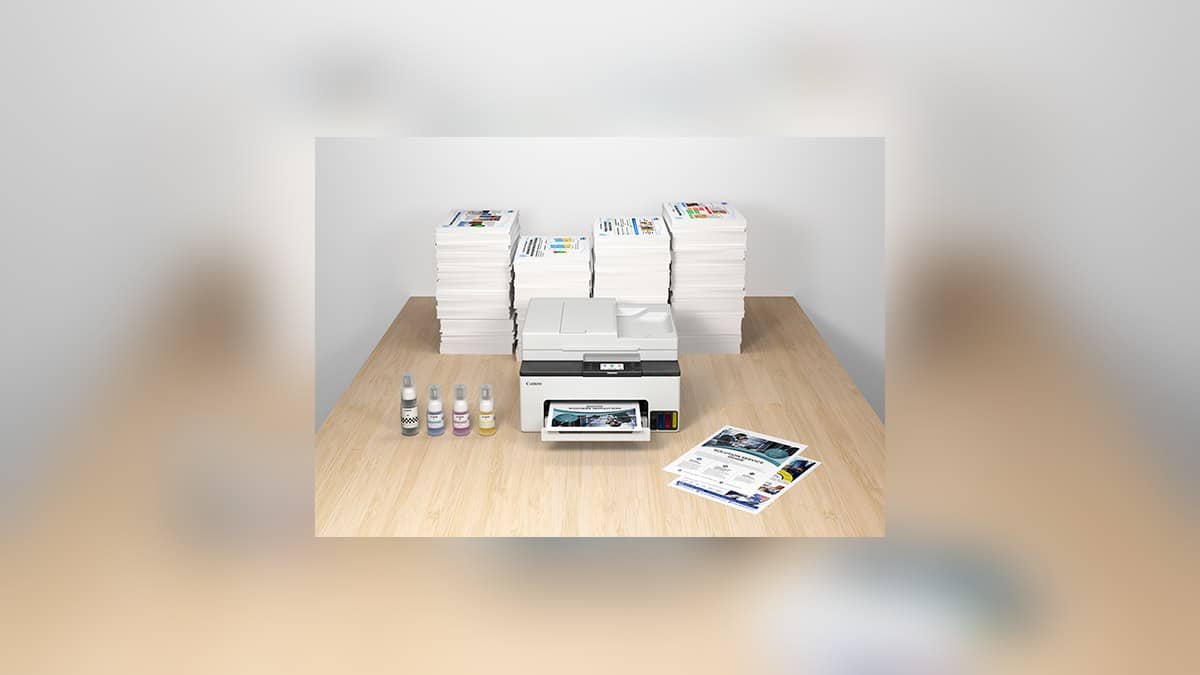
NEW DELHI: Canon's SELPHY CP1500 is listed at Rs 11,995 and the PIXMA TR160 at Rs 41,095 in India, including taxes. Both are portable printers, but the CP1500 is a compact photo printer while the TR160 handles A4 documents. Price as of 26 October 2026, 23:45 IST.
| Model | Official MRP | Printing role | Power detail |
|---|---|---|---|
| SELPHY CP1500, white Indian listing | Rs 11,995 | Dye-sublimation photo printing | AC adapter; compatible battery sold separately |
| PIXMA TR160 | Rs 41,095 | Mobile document and photo printing, including A4 | External LK-72 battery is optional |
The lower price covers a different job
These are not interchangeable alternatives simply because both can travel. The important dividing line is the output: a small photograph for an album or display is different from a full-size form that needs to be signed and handed over. Portability describes the hardware arrangement, rather than a common paper standard.
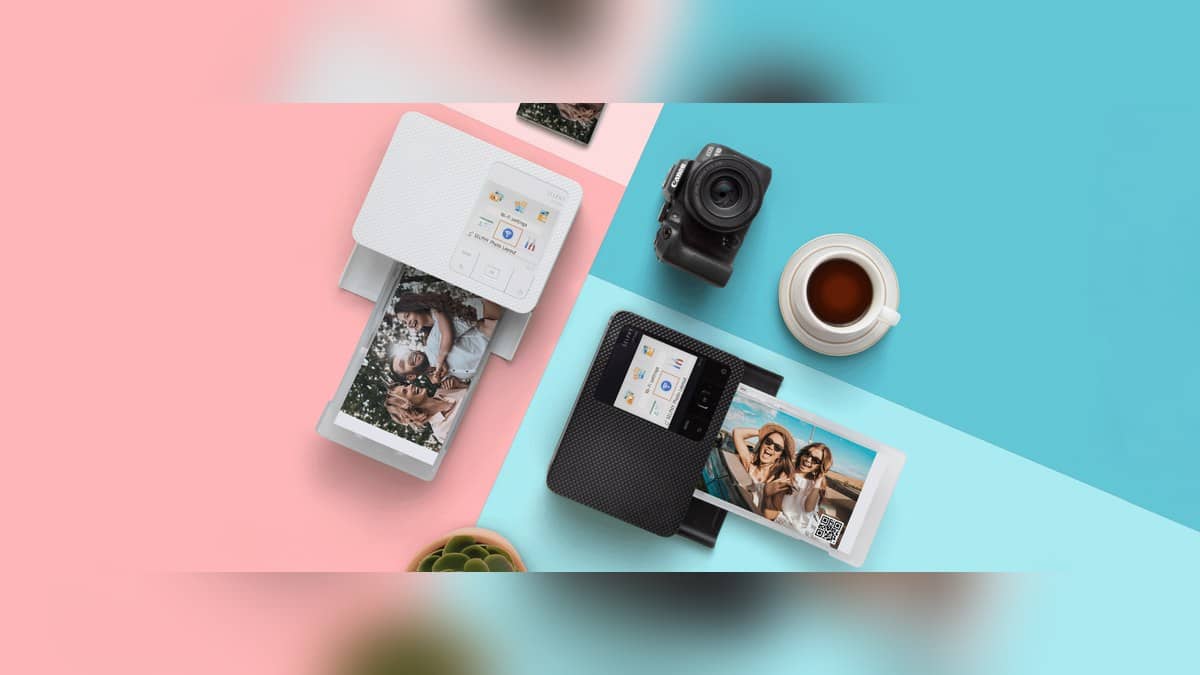
Canon's CP1500 page describes dye-sublimation printing with an overcoat. It supports postcard and card-size output, with a published maximum resolution of 300 x 300 dpi. The Indian product page presents the printer in white. This comparison does not invent separate colour prices from overseas versions or assume a larger paper format.
The TR160's specification lists A4 among its supported paper sizes and gives a rear-tray capacity of 50 sheets for A4 or Letter plain paper. Its stated A4 ISO speeds are up to 9 images per minute in monochrome and 5.5 in colour. Those figures describe document printing, not the CP1500's photo-printing process.
Connection choices change the workflow
The CP1500 can print from smart devices and computers, and Canon also lists direct printing from SD cards and USB Type-C drives. A photographer carrying image files on removable storage therefore has a different route to the printer from someone receiving an office document on a phone.
For the TR160, Canon highlights Wi-Fi, AirPrint, Mopria Print Service and Direct Wireless. It also supports pre-loaded customised forms. That feature is relevant to recurring paperwork: the job can centre on producing an existing form, rather than recreating its layout each time a printer is taken to another location.
Neither list of connection options establishes compatibility with every application or file that a user might receive. The useful comparison is the available route from a device or storage medium to the printer. A supported connection and a supported document workflow are related questions, but they are not identical.
A USB-C socket is not a promise of USB power
Canon explicitly says the CP1500 does not support USB charging or operation from USB power. Its specification lists the AC adapter and separately sold battery packs. That qualification matters for a portable product: a cable that transfers a print job should not be assumed to run the printer.
The TR160's USB-charging statement is also qualified. Canon says it works only with the external battery, and identifies the LK-72 as optional. The hardware MRP should therefore not be read as the price of a fully specified battery-powered kit unless the quotation separately confirms what is included.
For travel planning, this is more consequential than the shared description “wireless”. Wireless describes how a print job reaches the machine. Battery operation describes how the machine receives power. A printer can offer wireless communication while still needing its AC adapter for the particular package being used.
Consumables and workload stay separate
The CP1500 uses dedicated photo-printing consumables, while the TR160's Indian page lists PGI-35 pigment-black and CLI-36 colour cartridges. They are different supply systems. Comparing the purchase price alone cannot establish the cost of producing a school form, a colour presentation page and a postcard photograph.
Canon's recommended monthly printing volume for the TR160 is 10 to 80 pages. Its published weight is approximately 2.1kg without the optional battery and 2.3kg with it. These details reinforce its role as a mobile printer, rather than establishing it as a substitute for a high-volume office device.
The price difference is therefore best understood alongside paper format, consumables and power requirements. This comparison reports those distinctions without declaring a general winner. A small photo and an A4 business document are different finished products, and a fair cost comparison needs to specify which one is required.
For connected equipment, see our Apple accessories price list, Samsung display list and Zebronics monitor list.
Official sources: Canon India's PIXMA TR160 and SELPHY CP1500 product pages.