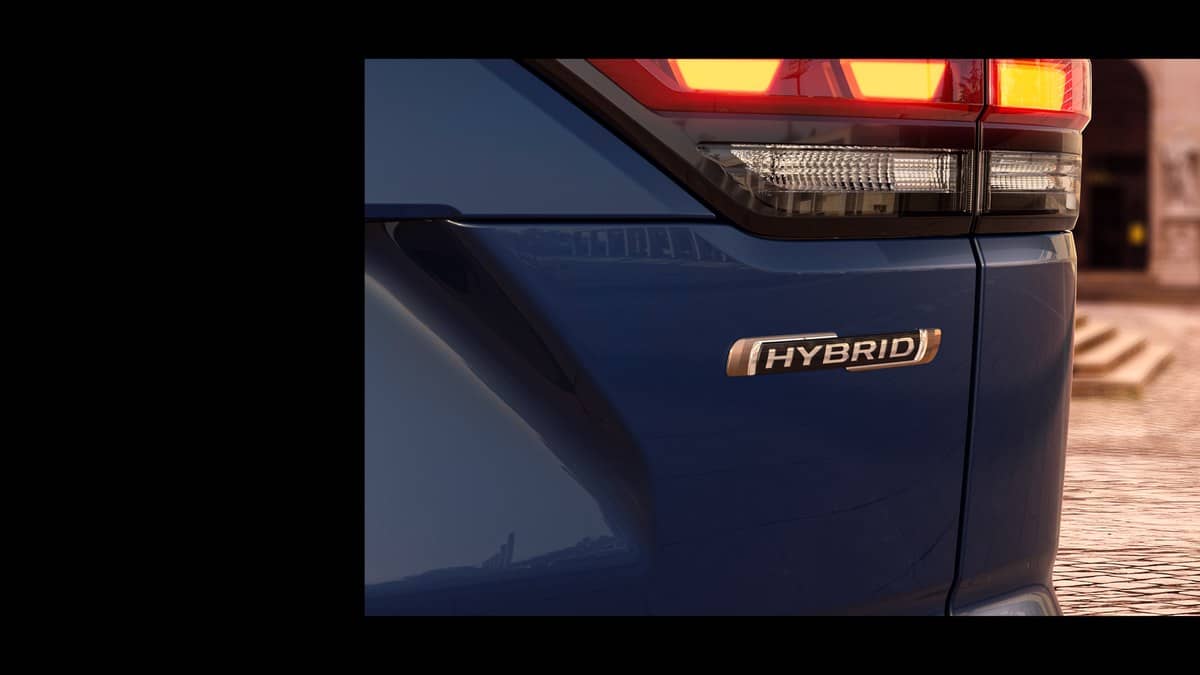
NEW DELHI: Maruti Suzuki Invicto combines a 2.0-litre petrol engine with an electric motor and e-CVT transmission. Its energy-flow display helps explain which source is doing the work: petrol, electric power or both. Reading that display is a useful way to understand the strong hybrid without mistaking an electric-running moment for an entire journey without petrol.
| Officially described item | What it identifies |
|---|---|
| Engine | 2.0-litre petrol |
| Hybrid type | Self-charging strong hybrid |
| Transmission | e-CVT |
| Energy-flow monitor | Electric, petrol or combined operation |
| Regenerative braking | Recovers braking energy for the battery |
| Modes named in launch material | EV, Normal, Eco and Power |
When several people drive the same Invicto, agree on a common recording method before comparing their results. Preserve the route description and filling records rather than ranking drivers from a single dashboard observation. The monitor explains the system at work; a consistent record makes later discussion about the household journey pattern more useful.
Read the energy source before judging the trip
NEXA's current Invicto page describes the monitor as a visual explanation of whether the car is using electric power, fuel or their combination. That makes it a display of operating state. It is different from a trip record showing how much petrol was consumed over a completed journey.
For an owner learning the system, the useful question is what the display is showing at that moment. A quiet electric-running section can demonstrate one part of the hybrid's operation. It does not establish how the rest of the route will be powered or provide a measured fuel bill for the journey.
This distinction is especially useful in a large family vehicle. A demonstration around a showroom may involve a different passenger load and route from a regular school run or an outstation trip. Treat the demonstration as an explanation of the controls and energy display. Keep conclusions about household fuel use for a record of the household's actual driving.
The engine and motor share the task
The manufacturer's official launch explanation describes coordination between the petrol engine and electric motor, including combined operation when required. Its listed driving modes are EV, Normal, Eco and Power. These names describe choices within the hybrid system; they should not be read as a promise of a fixed electric-only distance.
The current model page also explains regenerative braking as recovery of energy during braking into the battery. Recovery is part of the energy account. It should not be described as free fuel or as proof that the petrol engine will remain off for an entire urban journey.
A sensible familiarisation session can show the energy monitor to a passenger who then discusses the display with the driver after stopping. The driver should learn where the information is and what the symbols mean without becoming absorbed in watching it through traffic. Understanding the system should support an ordinary journey, not turn the display into a distraction.
A certified claim and an ownership record answer different questions
Maruti's archived launch release quoted certified fuel efficiency of 23.24 km/l. That is identified here as a figure from the launch document, not a new road test or a fresh claim measured by this publication. The release attributes it to test-agency certification.
For an owner's own record, keep distance travelled and petrol filled together over a consistent period. Note the type of journeys, passenger load and unusual delays. This does not need to become a complicated experiment, but it should preserve enough context to explain why a short demonstration and a working week may tell different stories.
Do not convert a brief observation of electric operation into an electric-distance percentage. Time spent in one state and distance travelled in that state are different measures. Neither can be inferred reliably from a memorable moment when the engine was silent. The energy display supplies context; a properly kept trip record supplies the operating result.
Who the explanation is for
This is useful for a family moving from a conventional petrol vehicle to Invicto, or for another regular driver learning the same car. Begin with the controls, the energy display and the distinction between operating modes. Then consider the fuel account over the journeys the vehicle is actually used for.
Invicto's hybrid technology question also deserves its own discussion apart from cabin layout. A household may understand its preferred seating arrangement while still needing an explanation of the energy monitor. Equally, understanding the hybrid does not answer whether the occupants and luggage fit the intended journey. Keep both checks concrete.
Related reading: our Invicto seating explainer, Invicto price guide and Invicto cancellation-terms report address separate configuration, cost and paperwork questions.
Official sources: current NEXA Invicto product page and Maruti Suzuki's archived launch explanation, rechecked on 5 November 2026.