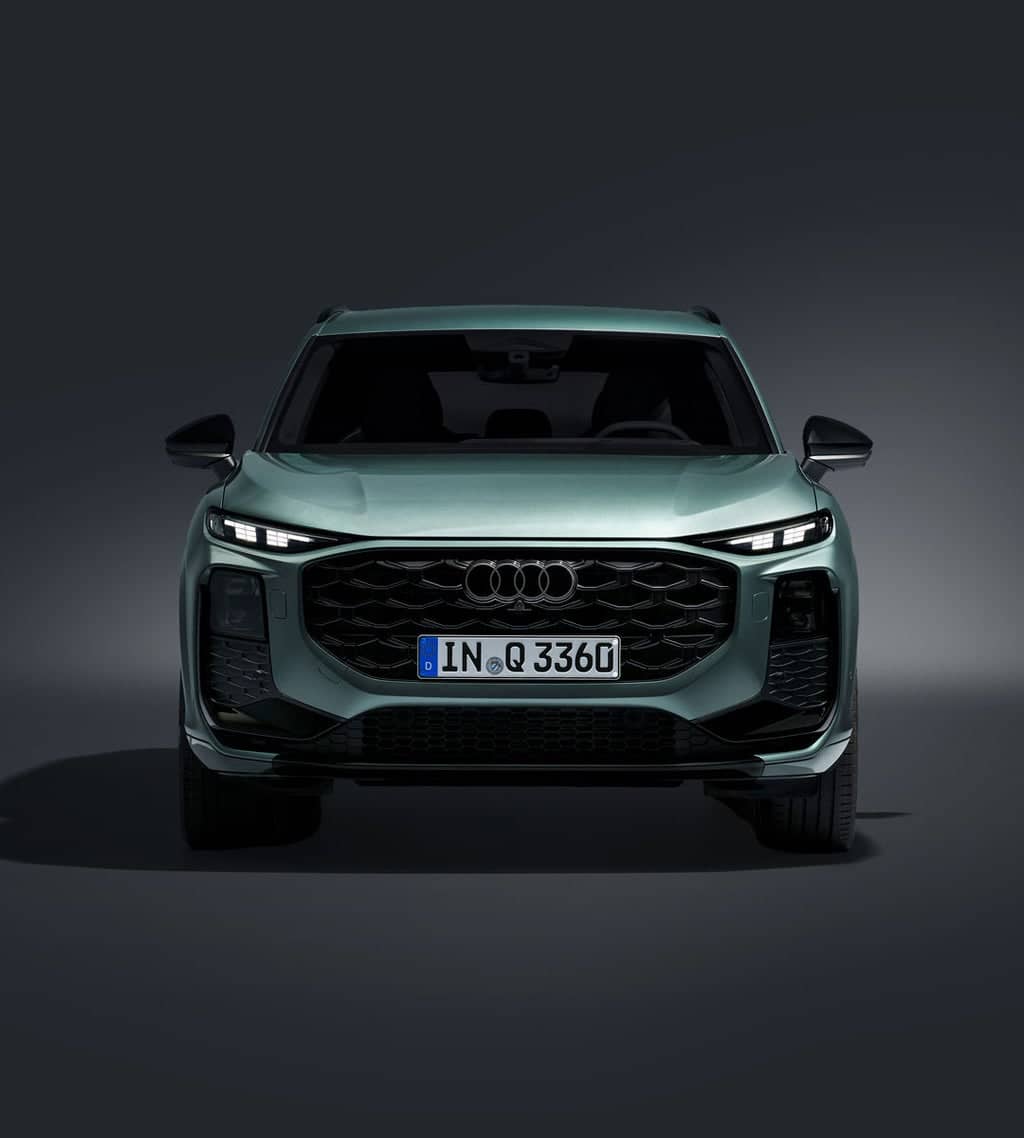
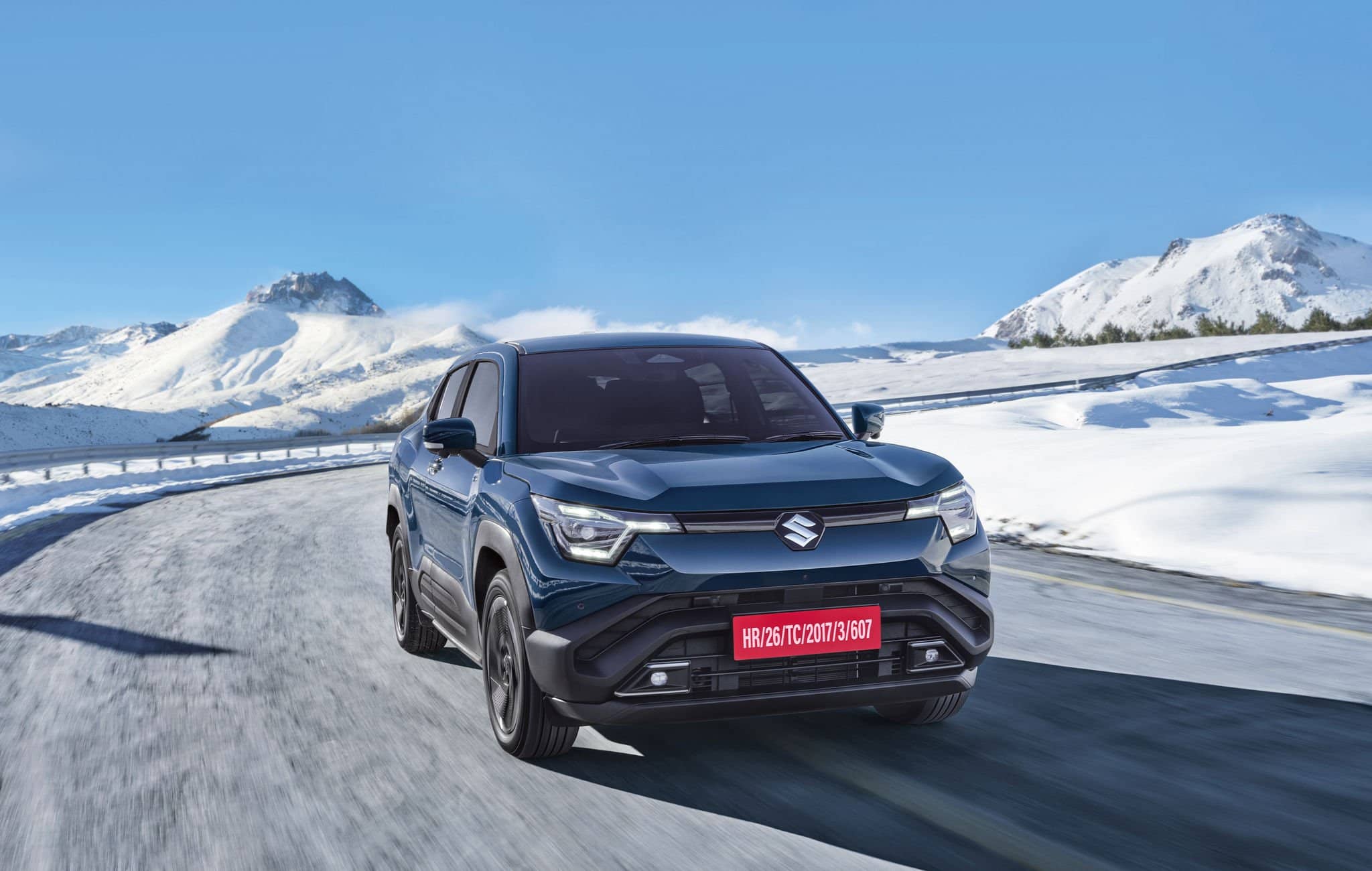
The e Vitara, Curvv.ev and VF6 all have five-star Bharat NCAP child ratings, but their component scores and tested restraint arrangements differ.
For an Indian family comparing these electric SUVs, the useful question is what the assessment actually tested and whether the intended child seat fits the purchased variant. This comparison uses existing official reports checked on 16 October 2026. It is not a new round of crash-test announcements.
What the child-protection total measures
Under Bharat NCAP's AIS-197 assessment standard, a car with rear seats can earn 49 child-protection points. Dynamic testing accounts for 24, child-restraint installation for 12 and vehicle-based assessment for 13. The total combines these areas. Two cars can therefore reach similar totals through different combinations, and the overall number alone does not identify which performed better during the child-dummy crash tests.
The vehicle-based section covers matters such as ISOFIX usability, the provision for using three child restraints simultaneously, passenger-airbag warnings and disabling, and integrated restraints. Its points are not additional measurements of injury during the impact. For these passenger cars, the published score-to-star table places 41 to 49 child-protection points in the five-star band.
The standard also prescribes controlled impact conditions: a 64 km/h frontal offset test and a 50 km/h side-barrier test. Their specified speeds and configurations define the assessment. They do not reproduce every collision a family may encounter. Keep those laboratory conditions in mind when interpreting a result, rather than treating a star badge as a promise of protection in any accident.
Read the rating alongside its variant list. A model name on a showroom board is less precise than the battery and trim designation on an order form. Dalimss News previously examined that distinction in its report on the XUV 3XO rating extension. That petrol-and-diesel extension concerns a different vehicle; the principle is to check the actual applicability document.
e Vitara: full child dynamic points
The e Vitara factsheet gives 31.49/32 for adults and 43/49 for children. The child total comprises 24 dynamic points, 12 installation points and seven vehicle-assessment points. It loses no dynamic points.
Both child tests used rear-facing Dualfix 5Z restraints with Vario Base and ISOFIX/support-leg attachment. Rear-outboard ISOFIX is listed; a passenger-airbag cut-off switch is not. Rating coverage includes Delta 49 kWh and Zeta and Alpha 61 kWh.
Curvv.ev: check the revised annexure
The Curvv.ev report gives 30.81/32 for adults and 44.83/49 for children: 23.83 dynamic, 12 installation and nine vehicle-assessment points. Both child tests used rear-facing Joie i-Spin Safe restraints with ISOFIX/support-leg attachment.
Its manual passenger-airbag cut-off and outer-rear ISOFIX are listed. The June 2026 annexure includes specified 45 kWh, 55 kWh and X variants beyond the tested EMP + A 55. Match the exact quoted designation.
VF6: belted restraints in the test
The VF6 factsheet gives 27.13/32 for adults and 44.41/49 for children: 22.41 dynamic, 12 installation and 10 vehicle-assessment points. Both child tests used rear-facing Joie Every Stage FX restraints, installed with belts.
Rear belt pretensioners, load-limiters, rear-outboard ISOFIX and automatic passenger-airbag cut-off are listed. The applicability annexure names Earth, Wind and Wind Infinity. Use that list; the tested-vehicle description elsewhere uses different trim wording.
The showroom check should include your child seat
Seat eligibility needs a separate check. Britax identifies the Vario Base 5Z as the matching base for its Dualfix 5Z seat. When a supplier offers a package, ask them to identify the exact seat and base rather than relying on a shortened product name. Keep those model details with the fitting instructions. A restraint appearing in a crash report is not an endorsement of every combination a retailer might offer.
Britax Römer's official fitting guidance advises a trial installation by trained retail staff before buying. It distinguishes ISOFIX seats from belted seats and directs buyers to the vehicle manual and the restraint's approval information. A restraint approved for an i-Size seating position is not permission to use every seat in the cabin. Check the actual seating position and installation method.
The same guidance says a rear-facing restraint can be installed in front only with the passenger airbag deactivated, and directs owners to both manuals. An airbag cut-off entry in a crash-test equipment table does not replace those instructions. If the permitted installation cannot be established, ask the vehicle and restraint manufacturers before using that position.
Practical cabin differences deserve their own demonstration. Maruti Suzuki lists sliding and reclining rear seats and a 40:20:40 rear-seat split for the e Vitara. Ask the showroom to demonstrate the approved child-seat arrangement with the relevant seat settings. Once that is established, check whether the front passenger has usable space and whether you can reach the restraint buckle easily. These are fit checks to perform, not measurements established by the crash score.
Make the demonstration repeatable. Ask the fitter to show the installation slowly, then check that the adult who normally drives can follow the same instructions. If the seat will move between two family cars, arrange a separate compatibility check for each. Approval for the electric SUV should not be assumed to cover the other vehicle.
If the family needs two child seats, bring both intended seats to the appointment rather than viewing one empty demonstration car. Ask for a fitting demonstration before judging access to the remaining seating space. A sales photograph cannot settle whether your particular combination works. The comparison here makes no claim that any of these cars accepts three seats across.
Keep the safety paperwork with the variant quotation and make unresolved fitting questions part of the purchase discussion. Price and equipment choices can then be considered separately; our earlier Tata.ev price-range report provides that background. The decision should rest on a verified installation for the family who will use the car, as well as the published laboratory result.