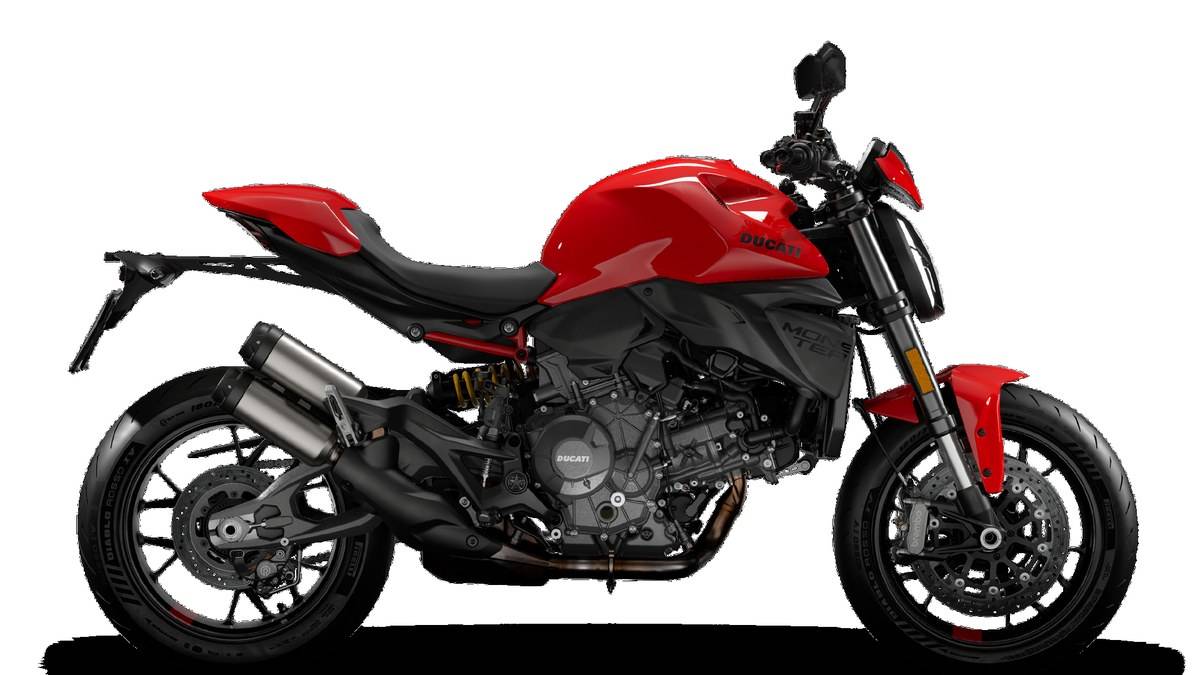
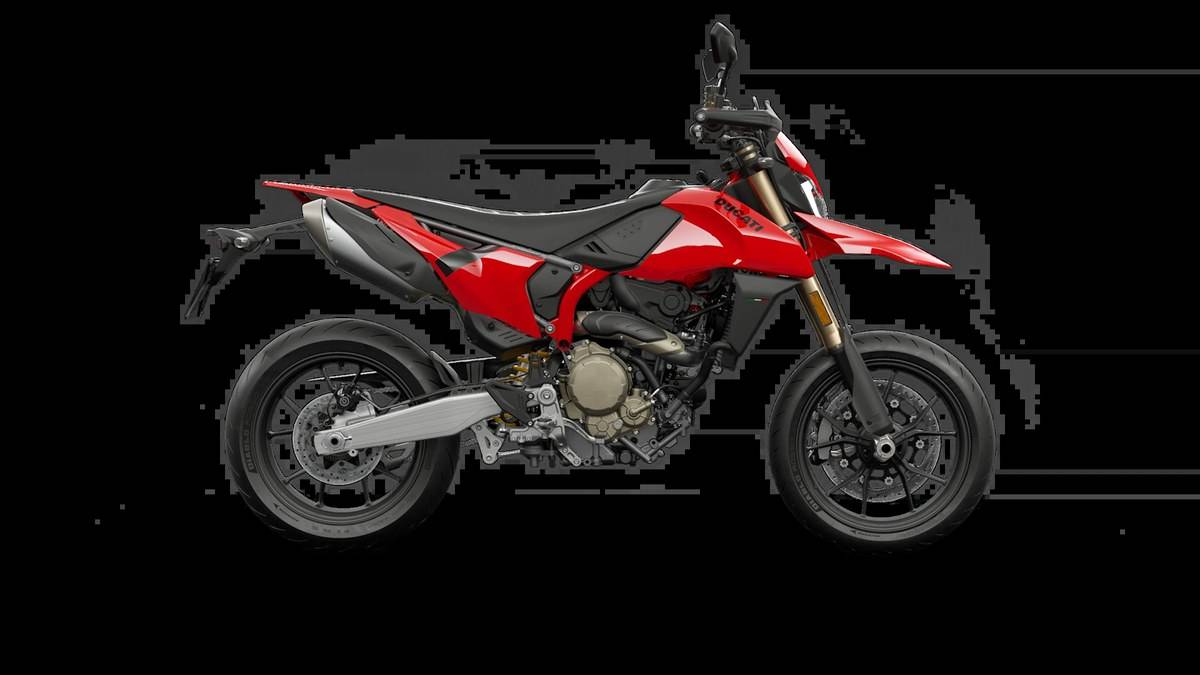
NEW DELHI: Ducati lists three seat-height configurations for the Hypermotard 698 Mono: 904 mm as standard, 889 mm with the low-seat accessory, and 849 mm with both the low seat and suspension-lowering kit. The lowest figure therefore requires a combination of accessories. It should not be read as a standard adjustable position on every showroom motorcycle.
| Configuration | Published seat height | What it requires |
|---|---|---|
| Standard | 904 mm | Standard seat and suspension configuration |
| Low seat | 889 mm | Accessory seat |
| Low seat plus lowering kit | 849 mm | Both named accessories |
| Versions listed | Hypermotard 698 Mono and 698 Mono RVE | |
The current Ducati India technical table gives the same height choices for the standard and RVE versions. That makes the seat question separate from choosing graphics. Someone who prefers the RVE's Graffiti appearance still needs to identify which seating and suspension configuration is fitted to the actual motorcycle.
Read the accessory combination literally
The reduction from the standard figure to the low-seat figure is 15 mm, calculated from Ducati's published measurements. The combined low-seat and lowering-kit figure is 55 mm below standard. These are differences between listed configurations, not a promise that every rider's foot position will improve by an identical amount.
Ducati's India lowered-seat page identifies accessory code 96881451BA and gives its height change as minus 15 mm. It lists compatibility with both 698 Mono and 698 Mono RVE for 2024, 2025 and 2026. Check the code and model year together when requesting a quotation, instead of asking only for a low Hyper seat.
The 849 mm entry expressly includes the suspension kit as well as the seat. Ask a workshop to identify every component in that combination and supply the applicable fitting information. A quotation for the seat alone does not establish that the lowest published configuration will be achieved.
Assess the actual motorcycle in riding equipment
Begin with the standard configuration if an appropriate demonstration bike is available. Wear the boots and trousers you normally ride in, and ask for the motorcycle to be supported while checking footing. Note reach to the ground separately from reach to the handlebar and comfort when your feet are on the pegs.
Then repeat the assessment with the accessory seat if it can be demonstrated. Record which seat was fitted, rather than relying on a photograph or a verbal description of a lowered motorcycle. This makes the comparison reproducible when discussing the final setup with the workshop.
For Indian city use, think about the places where you actually stop: a parking entrance, a sloping driveway or a junction with an uneven edge. These are useful situations to discuss during the fit assessment. A single seat-height number cannot describe every footing situation or replace the rider's ability to handle the motorcycle.
Keep the supermotard specification in view
The Hypermotard 698 Mono is a single-cylinder road-going supermotard, with Ducati specifying a 659 cc Superquadro Mono engine. Its tall seating position belongs to that overall design. Treat the lowering options as named configurations within this model's package, rather than assuming the motorcycle has the same proportions as a lower roadster.
Ducati's brochure lists standard wheel travel of 215 mm at the front and 240 mm at the rear. Those figures explain why suspension configuration deserves its own discussion. Do not assume the standard travel figures describe the lowered-kit configuration; request the relevant kit documentation instead of inferring its effects from the seat-height table.
The product page specifies 151 kg wet weight without fuel and a 12-litre tank. Keep that weight definition intact when comparing motorcycles. A figure excluding fuel should not be labelled a fully fuelled kerb weight, and lowering the seat does not by itself answer how easily someone can move the bike in a parking space.
Confirm fitment before agreeing to the work
Ask for the chosen seat, suspension-kit identity, fitting labour and any associated setup work to be listed separately. Have the workshop explain what inspection and setup are required for that particular combination. This article does not prescribe suspension adjustments or substitute for Ducati's installation instructions.
Keep the original configuration recorded in the service paperwork, along with the parts fitted. If the motorcycle later changes hands or another workshop services it, those details help distinguish a standard bike from an accessory configuration. A casual description such as low seat can otherwise leave the suspension part of the change unclear.
For related reading, see the 698 Mono range guide, the Hypermotard V2 guide and the Multistrada V4 Rally seat explainer. Their configurations belong to the models named, so compare documentation carefully.
Official sources: Ducati India 698 Mono specifications and Ducati lowered-seat accessory.