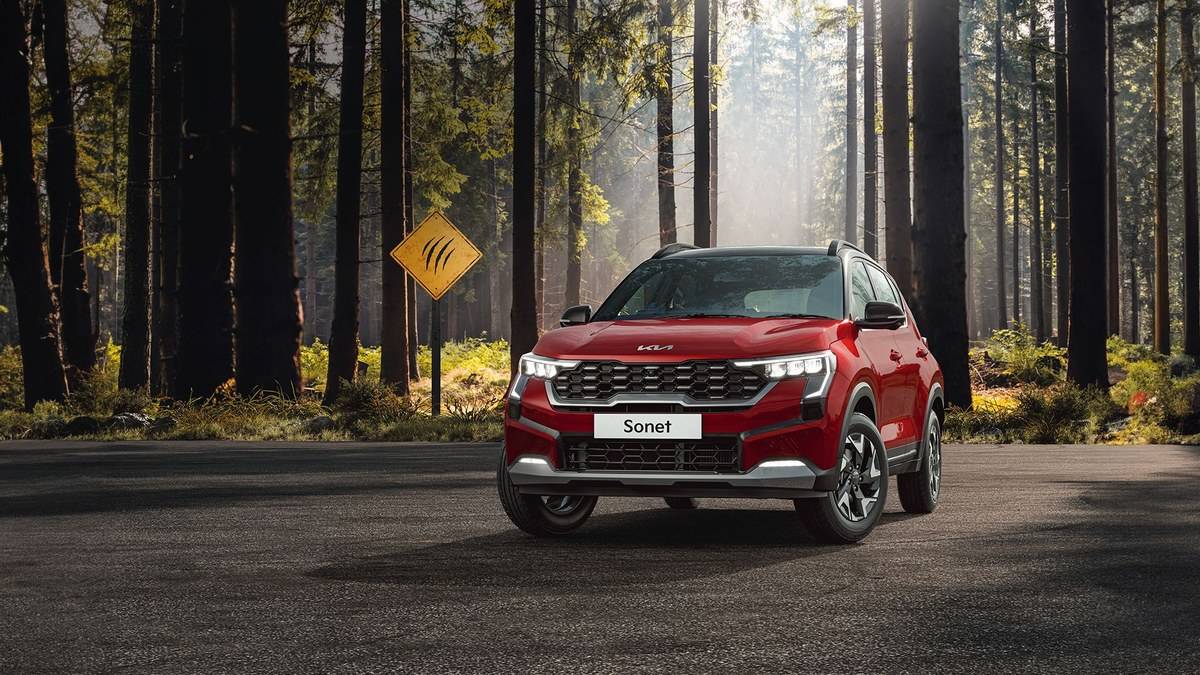
NEW DELHI: Kia lists the Sonet and New Sonet with a basic warranty of 3 years and unlimited kilometres for private use. The commercial-use rule is different: 36 months or 1,00,000 km, whichever comes first. A useful warranty claim begins by identifying the vehicle's delivery date, use category, fault and maintenance history, rather than treating unlimited mileage as unlimited coverage.
| Policy point | Kia's published term |
|---|---|
| Sonet basic vehicle cover | 3 years, unlimited kilometres |
| Commercial use | 36 months or 1,00,000 km, whichever first |
| Starting point | Delivery to first purchaser |
| Ownership transfer | Remaining warranty can transfer within India |
| Covered defect | Accepted material or workmanship defect, subject to policy exclusions |
The official warranty page, Sonet manual and extended-warranty terms were read on 6 November 2026, with the basic policy reopened after midnight on 7 November. These are the manufacturer's published terms, not a guarantee that a particular reported fault will be accepted without inspection.
Begin with the delivery record and the actual complaint
Put the delivery document beside the service record. If ownership has changed, preserve the original delivery date as well as the current owner's details. The point is to make the chronology clear. A later change of owner should not be confused with a fresh delivery of a new vehicle or a restart of the original warranty clock.
Write down what happened in ordinary language. For example, distinguish a warning lamp from a noise, an intermittent screen problem from a starting problem, and a symptom noticed during driving from one noticed while parked. A clear description helps the workshop investigate without making the owner guess the failed component in advance.
Use the Sonet manual that matches the vehicle
Kia's Sonet manual says it covers variants and optional equipment, including features that may not be fitted to a particular vehicle. That matters because the Sonet showroom promotes equipment such as camera views, connected functions and driver assistance across the range. A feature pictured on the range page does not establish that it was supplied on the owner's trim.
Include the trim, engine and transmission details from the vehicle's paperwork in the complaint. For an intermittent feature problem, it is useful to distinguish whether the equipment is factory fitted or was added later. This gives the service adviser a concrete starting point and avoids a conversation based only on a brochure photograph.
Maintenance records are part of the evidence
The manual assigns maintenance and record retention to the owner. It says records should show that the scheduled work was carried out. Keep invoices and job cards together, including the dates, odometer readings and work descriptions, so the sequence is visible without having to reconstruct it from memory.
For a fuel-related complaint, use the relevant engine section of the manual. Its petrol instructions specify unleaded fuel with RON 91 or higher and exclude methanol-blended fuel. That is a Sonet-specific reference to give the workshop if fuel compatibility is part of its diagnosis. It is not evidence, by itself, that fuel caused the reported problem.
Separate a defect claim from routine work
The basic policy distinguishes covered defects from maintenance, normal wear and damage caused by events such as accidents or flooding. Kia's authorised dealer assesses the claim. Ask for the complaint to be recorded and for any proposed paid work to be described separately, so a routine service item is not confused with the fault being investigated.
If a claim is declined, a useful follow-up is a written explanation identifying the diagnosis and the term being applied. This is a practical record-keeping step, not a promise about the outcome. It gives the owner something specific to review alongside the service history and the applicable warranty document.
Extended cover is a separate document
Kia's extended-warranty page describes protection for qualifying mechanical and electrical breakdowns, subject to its own conditions. It excludes normal maintenance and wear, and says extended cover is unavailable for audio, AV and AVNT units and batteries. An extension should therefore not be assumed to reproduce every element of the original cover.
Owners who hold an extension should keep its certificate with the basic warranty papers and check the applicable period and mileage conditions. The Sonet's unlimited-kilometre basic headline cannot establish the limits of a separately purchased plan. Nor does the showroom's list of equipment identify the warranty route for every component.
Our Kia Sonet price: Rs 7,44,900 to Rs 13,88,900 for all eight trims is the separate model-range reference. The Kia EV6 price: Rs 65,97,937 starting MSRP and Kia Carens Clavis EV price: Rs 18,03,900 to Rs 24,99,900 for all nine trims concern other models and should not supply a Sonet service interval or extension price.
Official sources: basic warranty policy, Sonet manual, extended-warranty terms and Sonet showroom.