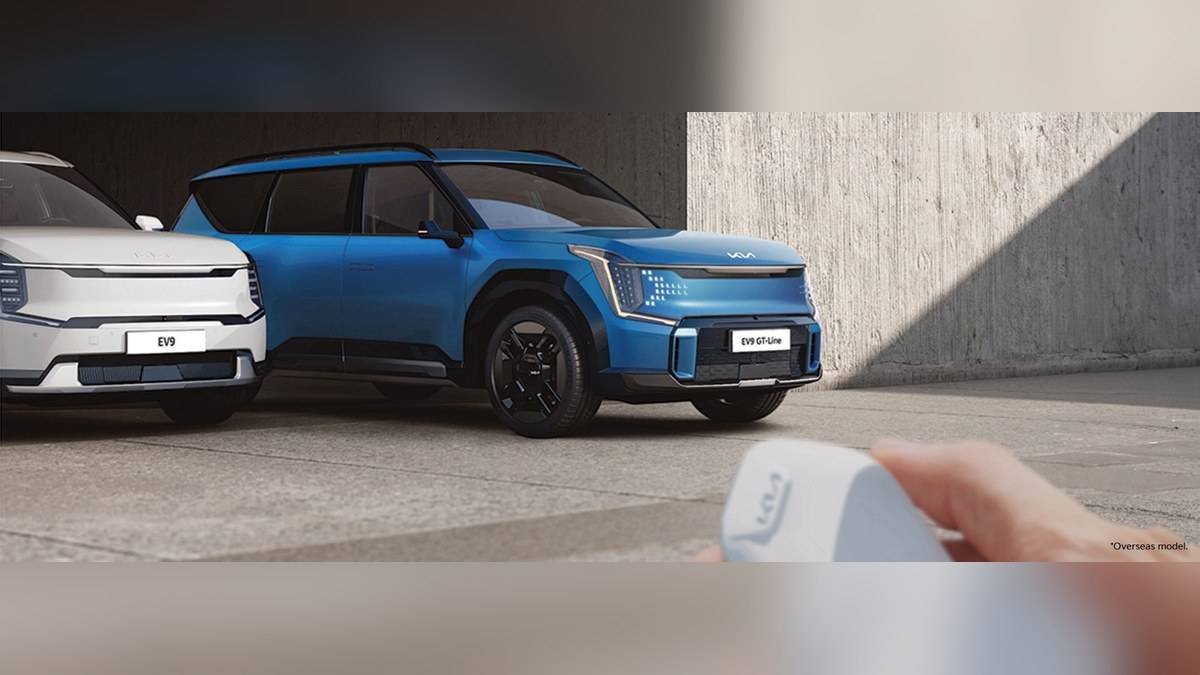
NEW DELHI: Kia lists the EV9 GT-Line AWD with Level 2 ADAS and 27 assistance features. The number describes a collection of driver aids, not permission to stop watching the road. Kia's India-hosted digital manual sets out specific limits for collision avoidance, lane assistance and attention alerts that matter more in use than the feature count alone.
| Official item | What the listing establishes |
|---|---|
| ADAS designation | Level 2, 27 features |
| Forward assistance | Collision warning and avoidance functions listed |
| Lane functions | Lane departure warning, lane keep assist and lane following assist listed |
| Low-speed surroundings | Rear cross-traffic aids, camera views and parking aids listed |
| Settings route | Settings, Vehicle, Driver assistance |
The official model specification and manual pages were checked on 6 November 2026. The manual also warns that software updates can change function descriptions and the way they appear on the infotainment screen. The installed vehicle's menus and applicable manual therefore need to be read together.
A feature total is not an operating instruction
Kia's India specification groups together collision-related functions, lane functions, cruise assistance, parking support and camera displays. These names describe different jobs. A camera view helps the driver see; a warning draws attention to a risk; an assistance function may intervene under defined conditions. Their presence in the same list does not make them interchangeable.
That is particularly relevant when learning the EV9 in an Indian household where more than one person drives it. Explaining the dashboard symbol or the alert a driver has actually seen is more useful than telling them the car has a large ADAS count. Each person still needs to understand the specific function involved.
Weather, visibility and sudden movements affect forward assistance
The forward collision-avoidance limitations page identifies contaminated or damaged sensors, an obstructed camera view, heavy rain, thick fog and glare among conditions that can disrupt operation. It also describes problems when an object is only partly detected or a vehicle, powered two-wheeler, pedestrian or cyclist suddenly enters the path.
For Indian readers, the practical implication is to retain those qualifications when thinking about a crowded junction or poor-weather journey. This is an application of Kia's listed limitations, rather than a claim that the vehicle has been tested on every local road. A warning or intervention cannot be assumed simply because another road user is present.
Lane assistance depends on the road it can detect
The lane-keeping manual page discusses damaged or indistinct markings, lines hidden by contamination, crossing markings and construction areas. It also identifies intersections where a lane disappears and situations where another vehicle blocks the camera's view of the lane boundary.
Those details explain why the presence of lane assistance does not settle how it will behave at a diversion or on a road with unclear markings. Kia places responsibility for safe control with the driver and says operation can be cancelled or affected by road conditions. The manual's qualifications remain part of the feature description.
Attention alerts have their own limits
Kia's attention-warning page separately describes situations in which the leading-vehicle departure alert may not work properly. Examples include a vehicle cutting in, a sharp turn by the vehicle ahead, a pedestrian or bicycle between vehicles, and busy tollgate or intersection traffic.
That distinction matters in stop-start driving. An alert about the vehicle ahead moving away is not an instruction to proceed. The road space in front still needs to be checked. The manual also describes circumstances in which the system can respond to a parked vehicle moving, illustrating why the driver must interpret the situation rather than merely follow a prompt.
Learn the warning settings while stationary
The official menu route runs through Settings, Vehicle and Driver assistance. Kia's warning-method page describes warning volume, steering-wheel vibration and an audio-priority setting that reduces other sound when a driving-safety warning occurs. It notes that availability can depend on specification and that settings may apply across multiple assistance functions.
A useful handover conversation should therefore cover which warnings are active and how they are presented. Changing a warning setting is different from proving that a function will detect every hazard. The digital guide's software qualification also means an older screen image may not match every current menu.
Our EV9 price and configuration report covers the vehicle listing, and the EV9 charging explanation addresses a separate operating question. For another Kia family vehicle, see the Carnival cabin guide. None replaces the EV9's function-specific instructions.
Official sources: EV9 specification, digital assistance guide, forward collision limitations, lane limitations, attention-alert limitations, settings and warning methods.