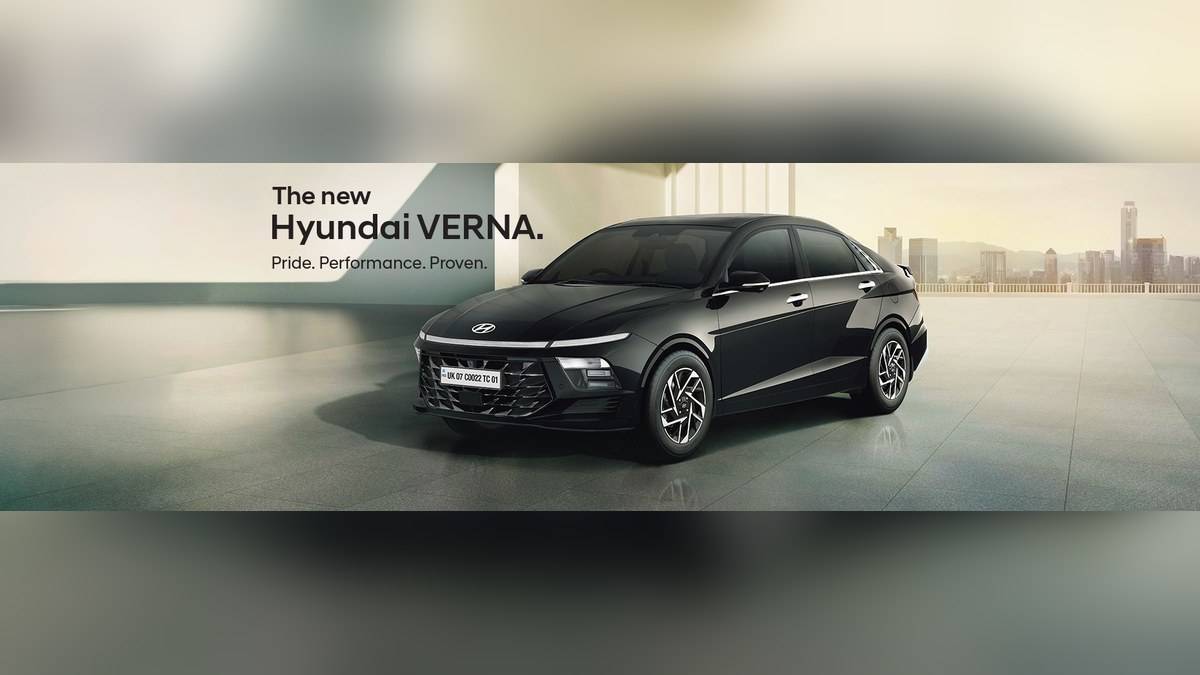
NEW DELHI: Hyundai's current Verna material lists a length of 4,565 mm, width of 1,765 mm and wheelbase of 2,670 mm. Those are the figures to begin with when checking a parking space. The official equipment matrix also makes an important distinction: rear sensors are standard across the listed trims, but camera coverage and front sensors depend on the version.
| Verna dimension | Current official figure |
|---|---|
| Overall length | 4,565 mm |
| Overall width | 1,765 mm |
| Overall height | 1,475 mm |
| Wheelbase | 2,670 mm |
The current linked brochure and model highlights agree on these dimensions. They were checked on 7 November 2026. This report uses the present linked document, rather than mixing a dimension from an older brochure with the equipment map of the current car.
Measure the usable space, not just the painted bay
A parking check should distinguish the marked rectangle from the space the car can actually use. A gate, pillar, wall or storage shelf may reduce access even when the parking markings appear generous. The Verna's body dimensions provide a starting reference, but Hyundai does not specify a universal minimum garage size in the material reviewed.
The approach also matters. A vehicle can sit inside a bay yet need additional room to turn into it. The brochure's wheelbase figure describes the distance between the axles; it should not be treated as a turning-circle measurement. No turning-circle figure is being inferred here from the published dimensions.
For a sedan used in an apartment basement, check the entry path and final position as separate questions. The rear of the parked vehicle, access to the boot and room for passengers to open doors each deserve attention. A body-length measurement cannot establish all those clearances on its own.
Which Verna trims have parking aids?
| Trim | Rear sensors | Rear camera and front sensors | Surround view monitor |
|---|---|---|---|
| HX 2 | Yes | No | No |
| HX 4 | Yes | No | No |
| HX 6 | Yes | Yes | No |
| HX 6+ | Yes | Yes | No |
| HX 8 | Yes | Yes | No |
| HX 10 | Yes | Yes | Yes |
This table follows Hyundai's current feature matrix. It prevents the range's promotional surround-view image from being mistaken for equipment supplied on every Verna. A rear camera and a surround-view monitor are separately listed items, and the entry trims should not be described as having a camera merely because sensors are standard.
The matrix also lists the blind-spot view monitor only under HX 10. That item should remain distinct from the rear parking camera. When identifying a vehicle's equipment, the trim name is more useful than assuming every display shown on the highlights page is present.
Separate parking support from driving assistance
Hyundai's safety page lists front parking assistance alongside other safety equipment and presents its SmartSense driving-assistance functions separately. Rear cross-traffic warning and avoidance are also named in that driving-assistance section. These are different functions to camera views and should not be combined into a claim that the car will park itself.
For a stationary handover, the useful question is which camera view appears on that particular vehicle and which parking-sensor warnings it has. This report does not establish detection distances or guarantee that every low obstacle is visible. Those operating details belong in the applicable owner's instructions.
Driving position and passenger access need their own check
The brochure makes the seating distinction precise: powered driver adjustment is listed for HX 8 and HX 10, while driver memory and the powered passenger seat are listed for HX 10. Someone checking sight lines from a lower trim should use its actual seat adjustment rather than assume the flagship demonstration car represents every version.
Height also belongs in the check when a parking area has low fixtures. The published overall height does not establish a clearance allowance for an uneven entrance, an overhead installation or the space needed to operate the boot lid.
The convenience page highlights a powered driver's seat with memory, a powered passenger seat and a passenger-seat walk-in device. These are range equipment highlights. Their value during a parking demonstration is to establish a usable seating position and check entry and exit, while the actual trim specification confirms which adjustment features are fitted.
The exterior page shows the Verna's separate rear bumper and spoiler treatment. In practical terms, inspect the actual vehicle's extremities when checking a close space, rather than treating the dashboard view as the whole manoeuvre. The published body dimensions remain the reference; an image is not a scale drawing of the available clearance.
Our existing Verna price report addresses the separate price question. For other Hyundai body styles, see the Exter report and Creta report. Their SUV profiles do not determine whether this sedan fits a particular space.
Official sources: Verna highlights, current brochure, trim matrix, safety, convenience and exterior.