
NEW DELHI: TVS advises iQube owners to charge the scooter once every 15 days, even when it is not being ridden. Its official FAQ also recommends leaving at least 50% charge before a long absence. Parking the scooter does not remove the need to plan battery care.
| Situation | TVS FAQ guidance |
|---|---|
| Parked scooter charging | Once every 15 days |
| Before a long absence | Leave at least 50% charge |
| Key-off discharge estimate | Roughly 5% in 10 days |
| Charging completed | Switch off and unplug charger |
| Battery removal | Not designed for owner removal |
Make charging part of the absence plan
The important question before a holiday or an extended work trip is who will check the scooter. A reminder on the absent owner's phone may have little practical value if nobody at home has access to the vehicle and its charging equipment. Decide how the published interval will be followed before leaving.
For a family iQube, that means agreeing on the task with the person who will actually be present. Show where the correct charger is kept and how charging is normally completed. A household member should not have to guess which equipment belongs to the scooter after everyone else has gone away.
Write down the displayed charge and the date of the last session. This creates a simple reference when the scooter is checked again. It also prevents a common ambiguity in shared parking: one person believes another has charged the vehicle, while neither has actually looked at the display.
Treat self-discharge as an estimate
TVS puts key-off self-discharge at roughly 5% over 10 days. The qualifying word matters. It is a planning estimate in the FAQ, rather than a guarantee of the precise reading that every parked iQube will show after a particular absence.
Do not use that estimate to calculate a date on which the battery can safely be ignored until empty. The manufacturer's charging interval is the more useful action point. Leaving with a healthy reserve and arranging checks avoids turning an approximate number into a promise the company has not made.
The same distinction applies when returning home. Compare the actual display with the last recorded reading and assess whether the scooter is ready for the intended journey. A prediction made before travelling should not replace checking the vehicle that is physically in front of the rider.
Use the scooter's own charging equipment
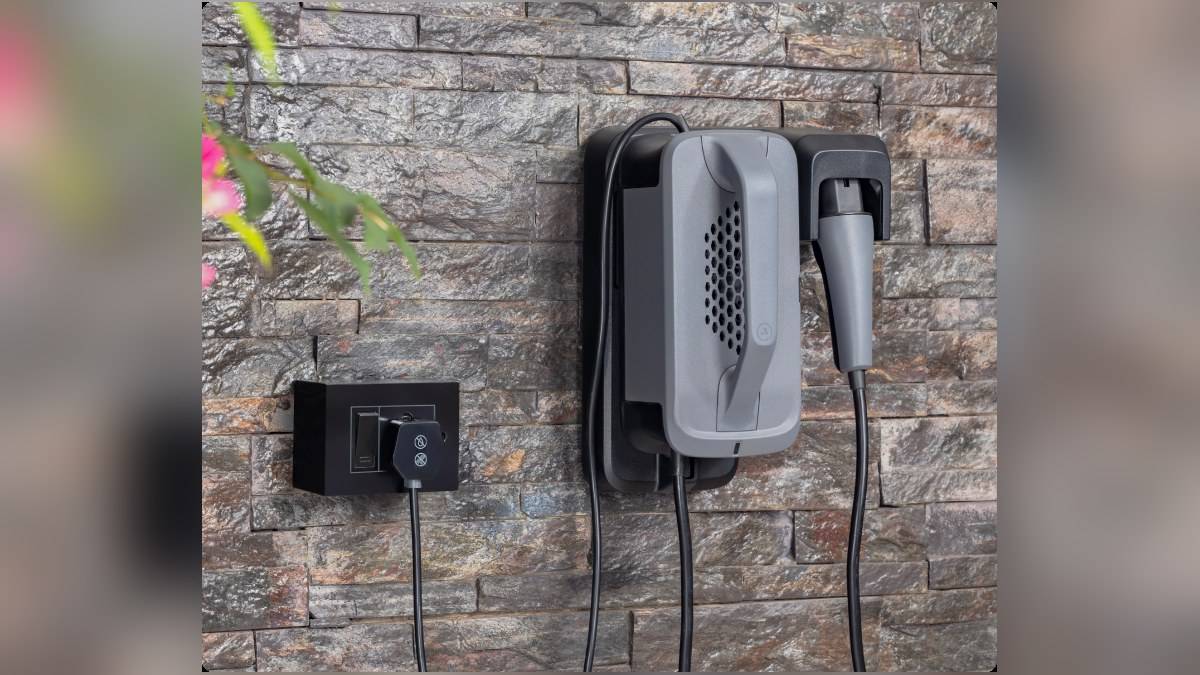
The FAQ directs owners towards TVS-supplied or recommended chargers. It also says iQube batteries are designed to remain in the scooter. Owners should therefore arrange access to the vehicle's normal charging location instead of planning to remove a battery and take it indoors.
This is particularly relevant where the scooter normally stands in shared residential parking. Access to the building is not necessarily access to the socket. Check that the arrangement needed for the next charging session will still be available while the regular rider is away.
A neighbour's electric scooter charger should not be treated as an interchangeable substitute merely because it looks similar. Identify the equipment supplied for the iQube and keep it with the instructions for that vehicle. If the original setup is unavailable or faulty, resolve that with authorised support before depending on it during an absence.
A completed session is different from permanent connection
TVS says its battery management system prevents overcharging, but nevertheless advises switching off and unplugging after the battery is fully charged. The periodic charging instruction should therefore not be read as a direction to leave the scooter connected continuously throughout a trip.
Someone assigned to check the scooter needs to know both ends of the task: starting a session and returning later to complete the usual shutdown. A reminder that only says to plug in is less useful than a clear plan for checking the result and putting the equipment away.
If a session fails to start or the scooter displays an unfamiliar warning, record the behaviour for support. A parked vehicle needs an explanation of what happened, not repeated speculative changes to its battery connections. Keep the observation specific to the scooter and charger involved.
Check the handbook before extended storage
The FAQ is a general ownership guide, not a complete storage procedure for every generation and battery option. For a much longer lay-up, check the handbook supplied with the individual vehicle and ask authorised support about any model-specific preparation. Keep that advice beside the charging record.
Related reading includes iQube 2.3 kWh charging, the iQube ST dashboard and electric scooter service and warranty terms.
Official source: TVS iQube ownership and charging FAQ.