NEW DELHI: TVS specifies 2 hours 25 minutes to charge the iQube 2.3 kWh from 10% to 80%, using its 650 W charger. The percentage limits are essential: this is a partial charging interval, rather than a time for an empty battery to reach full charge. The official variant page and charging FAQ both identify the same interval.
| Charging fact | TVS iQube 2.3 kWh |
|---|---|
| Installed battery capacity | 2.3 kWh |
| Published charging interval | 10% to 80% |
| Time for that interval | 2 hours 25 minutes |
| Charger in the charging FAQ | 650 W |
| Home connection specified by TVS | Standard 15 A domestic socket |
| Charger arrangement | Portable, offboard |
The distinction matters when planning an evening top-up between arriving home and leaving again. A scooter already near the upper limit is in a different situation from one arriving close to empty. Quoting the duration without its starting point strips out information a rider needs to interpret it.
Keep the battery interval attached to the time
TVS labels the specification as charging from 10% to 80% state of charge. That is the battery-level window the company has chosen to publish. This report does not turn the figure into an empty-to-full estimate, because the official claim does not establish that duration.
It also should not be converted into a promise of the same amount of riding distance after every charging session. Battery percentage and distance are different measures. A household planning a repeat journey needs to consider the charge shown on its own scooter and the route involved.
The 2.3 kWh is important in the model name. TVS sells other iQube battery versions, and the family homepage lists their charging times individually. A general search for iQube charging can therefore produce a correct number for a different variant.
A larger battery does not automatically mean a longer listed wait
The official charging FAQ pairs iQube S 4.7 kWh with a 950 W charger and a 10% to 80% duration of 3 hours 15 minutes. The same page pairs the regular iQube 3.5 kWh with a 650 W charger and a duration of 3 hours 45 minutes for that interval.
Those examples explain why battery size alone is an incomplete guide to waiting time. The charger specification belongs in the comparison too. They are separate TVS variant claims, rather than evidence that changing a charger on the 2.3 kWh scooter will produce either result.
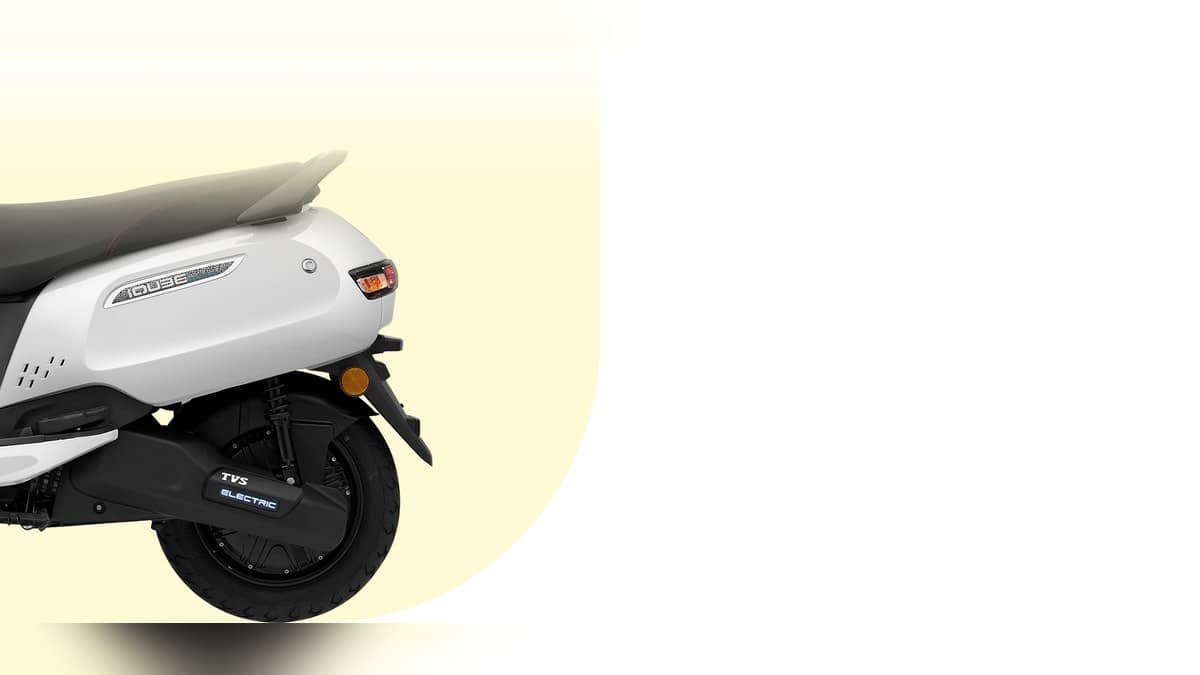
For the base variant discussed here, the product specification describes the charger as offboard and portable. TVS's home-charging answer specifies a standard 15 A domestic socket. Before arranging a parking routine, the practical questions are where that socket is, how the scooter will reach it and where the portable charger will be kept.
What the rest of the base scooter tells you
The 2.3 kWh product page lists a 68 km/h maximum speed, 109 kg weight and 770 mm seat height. Those are model-specific details that help identify the scooter being discussed. They should not be replaced with specifications from an iQube S or ST simply because the family name is shared.
The same page provides a distance-to-empty indicator and a battery-level warning. These displays can help a rider keep track of the scooter's status, but a displayed distance estimate is not a substitute for the charging interval. Knowing how long the vehicle will remain parked is a separate part of the daily routine.
For wider model context, our iQube price guide deals with the buying figures. The iQube ST dashboard explainer concerns different equipment. Neither changes the base variant's published charging specification.
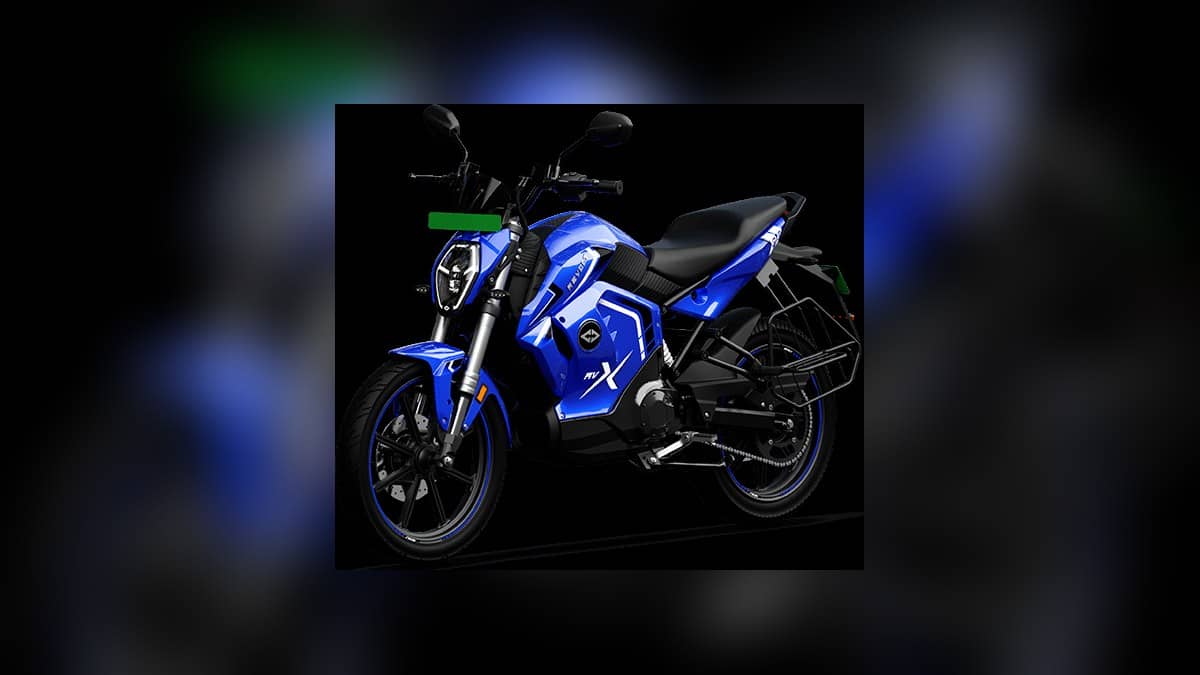
Charging percentages also differ between brands and models. Our RV400 charging report is another example of why the full label matters. A shorter headline time, without its battery window and charger, cannot establish which vehicle better matches a particular parking schedule.
For iQube 2.3 kWh, the verified planning figure is therefore specific: allow the published 2 hours 25 minutes for the stated 10% to 80% window, and retain the charger and variant details whenever comparing it with another claim.
Official sources: iQube 2.3 kWh specifications, TVS charging FAQ and iQube range.