NEW DELHI: Ather's Duo Wall Mount has a one-year warranty measured from the sales invoice date. Owners seeking cover should keep the original invoice and describe the defect when presenting the mount for inspection. The accessory has its own terms, separate from the scooter's battery protection.
| Item | Official position |
|---|---|
| Covered accessory | Ather Duo Wall Mount |
| Warranty period | One year from sales invoice |
| Compatibility | Ather Duo Charger |
| Claim evidence | Original sales invoice and defect description |
| Possible remedy | Repair or replacement after inspection |
Check which part of the charging setup has failed
A home charging installation is easy to think of as a single purchase. For a claim, however, identifying the faulty component matters. A loose mounting arrangement, a charger that will not start and a damaged charging cable are different complaints. Describe what happens rather than simply reporting that home charging has stopped working.
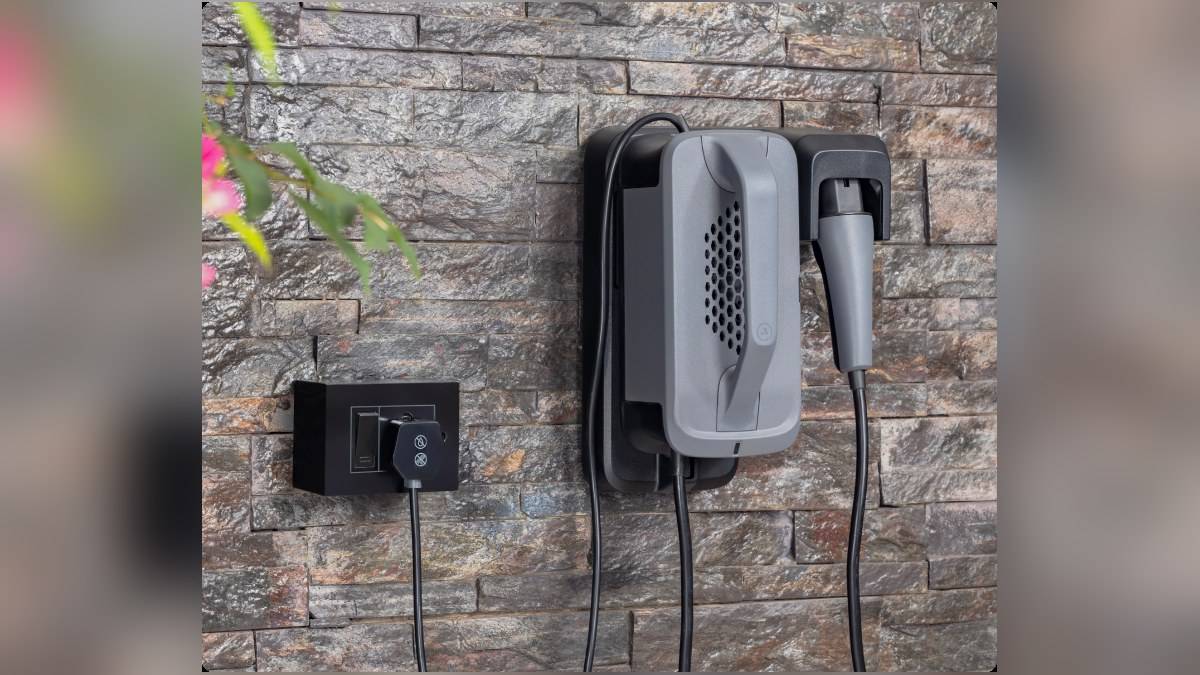
Ather describes the Duo as a 900W charger that can be carried or docked on a wall. Its charging FAQ says the mount was designed specifically for Duo and will not work with the older portable charger. Compatibility therefore needs checking before an owner treats this accessory as an upgrade for an existing installation.
That distinction is useful in a household with more than one Ather or with charging equipment inherited from an earlier scooter. The relevant question is which charger is physically present. A scooter badge alone does not establish that an existing wall accessory fits the charger beside it.
Prepare a useful inspection record
The mount's terms require a clean product, its invoice and an explanation of the problem. Ather or the authorised retail partner that supplied it is the route for a claim; online purchasers are directed to customer care. These are inspection steps, rather than an automatic promise of a new accessory.
Before presenting the mount, put the purchase record and a short account of the fault together. Useful details include where the problem appears, whether it is constant or intermittent, and whether anything changed around the installation before it began. Photographs can help explain the complaint, although the listed terms do not make them a substitute for inspection.
For example, a report that a charger no longer seats securely in its dock is more useful than a general statement that the scooter is not charging. It points the inspection towards the interface between the charger and mount. Leave the diagnosis to the service team instead of dismantling the accessory to prove a theory.
Understand the limits of the remedy
Manufacturing defects are covered, subject to exclusions. Incorrect installation, unauthorised alterations and physical damage can fall outside the terms. A repaired or replaced part receives only the remainder of the original warranty period. Material and labour are covered for an accepted repair, but additional costs such as transport are excluded.
The practical consequence is that the invoice remains important after a repair. Keep the inspection outcome and job record beside it, so a later complaint can be understood against the same purchase. Do not assume that accepting a replacement creates a fresh warranty running from the collection date.
Ask for the result of the inspection to identify whether the complaint was accepted and what work was performed. If the reported fault persists, that earlier record makes the follow-up easier to explain. A clear sequence of symptoms and work is more useful than starting the account again each time the accessory is examined.
Where the charger and mount were acquired at different times, retain both receipts. A scooter delivery invoice may not identify a later accessory purchase. Checking the item description now avoids having to reconstruct the purchase when a fault appears.
Keep the mount and charger records separate
Ather's charging FAQ gives Duo charger manufacturing-defect cover as three years and mount cover as one year. Those different periods are a reason to retain itemised purchase documents. A charger still within its stated period does not by itself establish that the mounting accessory remains covered.
For an owner using shared residential parking, the mount's particular appeal is routine: the charger can live at the parking spot and be removed when portability is needed. That makes installation quality and a clear handover between household users more relevant than any claim about extra scooter range. The mount organises charging hardware; it does not change the battery fitted to the vehicle.
Related ownership reading includes Rizta home charging, the explanation of Ather battery warranty cover and Ather booking refund terms. Each concerns a different part of the ownership paperwork.
Official sources: Duo Wall Mount warranty terms and Ather charging FAQ.