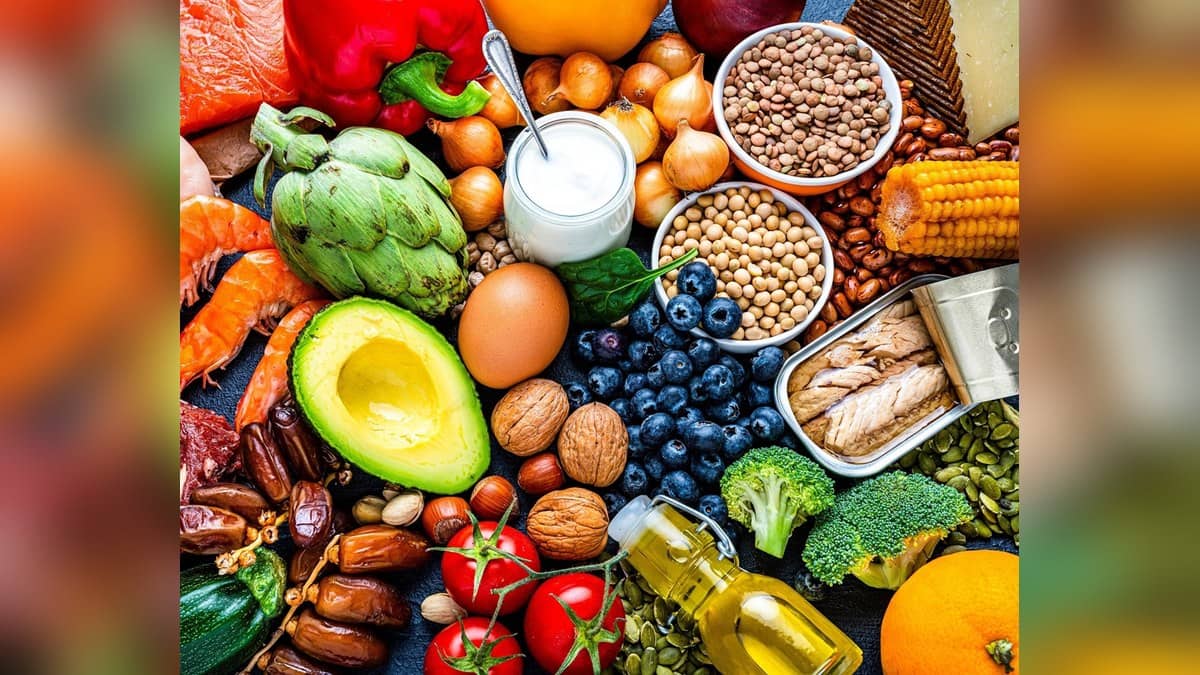
WHO prefers unsaturated fats to saturated fats and trans fats as part of a healthy diet. Its guidance says no more than 10% of total energy should come from saturated fat and no more than 1% from trans fat. These percentages concern energy across the diet, rather than the weight of food on a plate or the proportion of oil in one recipe.
| Fat type | Examples in WHO guidance | Main point |
|---|---|---|
| Unsaturated | Fish, avocado, nuts and several plant oils | Preferred over saturated and trans fats |
| Saturated | Fatty meat, butter, ghee, cream, cheese, palm and coconut oils | No more than 10% of total energy |
| Trans | Some baked and fried foods, and ruminant meat and dairy | No more than 1% of total energy |
The explanation below follows WHO's healthy diet fact sheet and its update on fats and carbohydrates, read on 5 November 2026. It explains population guidance, not a personalised diet prescription. Readers with a medical condition should consult a qualified doctor before making changes to a prescribed diet.
What is the difference between saturated and unsaturated fat?
For everyday reading, the useful distinction is the type of fat contributing to a meal. WHO lists unsaturated fat sources including fish, avocado, nuts and sunflower, soybean, canola and olive oils. Its saturated fat examples include familiar Indian kitchen ingredients such as ghee, as well as butter, fatty meat and coconut oil.
Those lists identify sources, not completely separate boxes into which every food fits. The practical question is what types of fat contribute to your overall pattern of eating. A meal can contain more than one source, and the presence of an ingredient on a list does not tell you the quantity consumed. That still depends on portions and preparation.
WHO also describes fat as an essential nutrient needed for cells to function properly. Its guidance is therefore not an instruction to eliminate all dietary fat. Understanding the type matters alongside the amount. A blanket rule to remove every source of fat would miss this central part of the official explanation.
What does the 10% saturated fat limit mean?
The denominator is total dietary energy. It is not 10% of the grams of a meal, and it does not mean that a food containing 10% fat automatically fits the recommendation. A nutrition table expressed per 100 grams answers a different question from a guideline expressed as a share of daily energy.
This also explains why a single household spoon measure cannot represent the WHO limit for everyone. The contribution from butter or ghee has to be considered alongside other foods containing saturated fat. Cream, cheese, meat and other ingredients can contribute even when a person adds little visible fat during cooking.
WHO says lower saturated and trans fat intakes may provide additional benefits. That statement should not be turned into a promise about an individual's cholesterol result, body weight or disease risk. An explainer can accurately state the guideline while recognising that an individual's needs require clinical context.
What should replace saturated fat?
The replacement nutrient is part of the recommendation. WHO identifies polyunsaturated fats, monounsaturated fats from plant sources, and carbohydrates from foods with naturally occurring dietary fibre as suitable replacements. Its examples of those carbohydrate sources include whole grains, vegetables, fruits and pulses.
That wording matters when considering a change to a meal. Reducing one source of saturated fat does not, by itself, describe what takes its place. WHO's advice points towards the overall food pattern. It does not support treating every replacement food as equivalent just because it has a different fat content.
Its practical suggestions include steaming or boiling rather than frying, limiting certain baked and fried foods, and reducing saturated fat sources. These are general food preparation principles. They are not brand recommendations, a shopping list of special products, or instructions to abandon a culturally familiar cuisine.
How are trans fats different?
WHO distinguishes industrially produced trans fats from those found in meat and dairy from ruminant animals. It says the 1% energy limit covers trans fat of any type and that industrially produced trans fats are not part of a healthy diet and should be avoided. The separate categories should not be merged into the saturated fat allowance.
For the detailed basis, WHO's saturated and trans fatty acid guideline explains the purpose of its recommendations. Related reading on this site covers reading Indian food labels, fibre rich vegetarian foods and walking and weekly activity. Use each guide for its specific question rather than expecting one nutrient number to describe overall health.