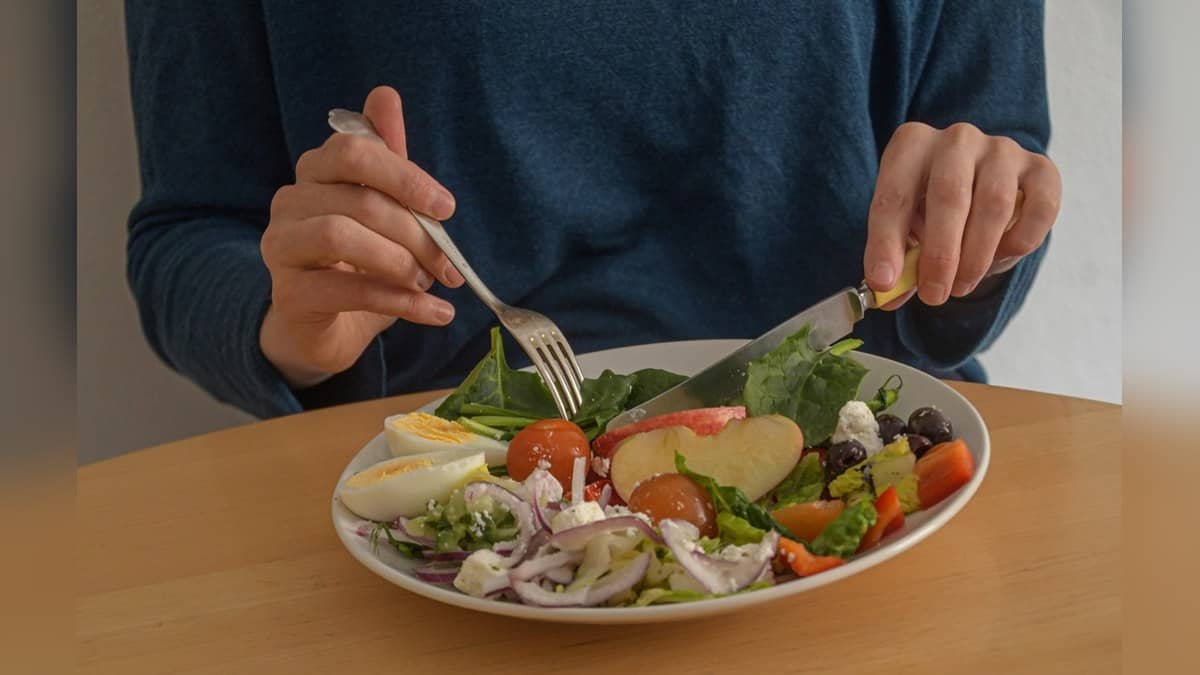
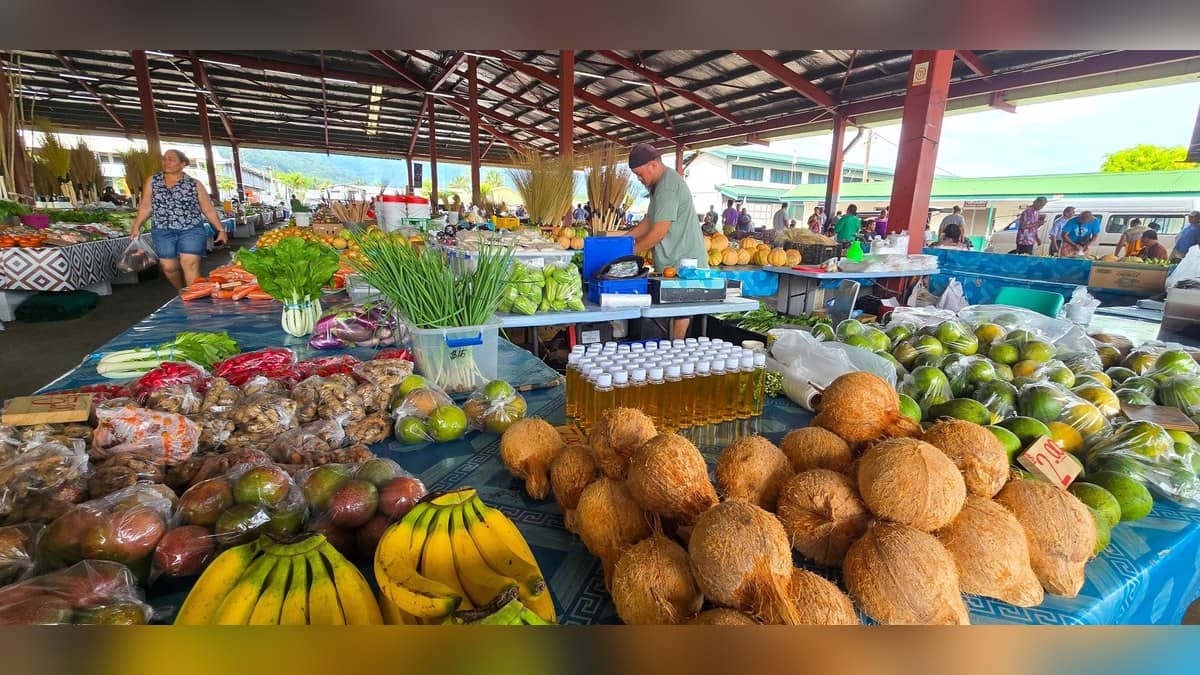
Adults should aim for at least 400 grams of fruit and vegetables a day, according to the World Health Organization. The NHS expresses its adult five a day message as five portions of about 80 grams each. These are amounts of food, not a requirement to eat five whole fruits or five separate dishes. Variety matters, and fruit and vegetables eaten within meals can count towards the daily total.
| Food or guidance | How to read it |
|---|---|
| WHO adult amount | At least 400 grams of fruit and vegetables daily |
| NHS adult portion | 80 grams of fresh, frozen or canned fruit or vegetables |
| Juice and smoothies | NHS limits their combined contribution to one portion |
| Potatoes | A starchy food, not part of the NHS five a day count |
The WHO healthy diet fact sheet, updated on 26 January 2026 and checked on 4 November 2026, gives the underlying quantity. For practical counting examples, this guide uses NHS public nutrition guidance. Those examples explain a public health message; they are not an Indian government meal prescription or a personalised diet plan.
How many portions of fruit and vegetables should you eat?
For an adult, five 80 gram portions add up to 400 grams. That arithmetic helps put the recommendation into everyday terms. It does not mean there is a precise health boundary between one mouthful below and one mouthful above the total. Think about the overall pattern of meals and the range of produce included, rather than treating a single day's count as a medical test.
WHO gives smaller minimum amounts for younger children: 250 grams for ages two to five and 350 grams for ages six to nine. Adult quantities should therefore not be imposed on a young child without considering age and circumstances. NHS guidance also explains that children's portions vary with age, body size and activity, with the amount fitting in a child's palm offered as a rough guide.
The point of using both sources is to distinguish a daily quantity from a portion counting method. WHO states the broad food intake recommendation. NHS examples help explain what its portions look like. Readers do not need to convert every family meal into an exact laboratory measurement, but understanding the unit can prevent a small garnish from being counted as a full serving.
What does one fruit or vegetable portion look like?
The NHS portion guide gives one medium apple, banana, pear or orange as examples of a fruit portion. For cooked vegetables, examples include three heaped tablespoons of carrots, peas or sweetcorn. These are guides to typical quantities. A spoonful of mixed vegetables spread across several people's plates is different from that amount on one person's plate.
For an Indian household, the practical counting question is how much fruit or vegetable is actually present in the portion served. A mixed sabzi can contribute vegetables even though it is part of a meal. The name of a dish alone cannot establish the quantity. A vegetable ingredient near the end of a long recipe should not automatically be treated as a full portion for everyone eating it.
Fresh produce is not the only option. The NHS what counts guide includes frozen and canned fruit and vegetables, as well as those cooked into dishes. It advises choosing canned options in water or natural juice without added salt or sugar. The useful comparison is between the actual foods and their labels, rather than assuming a particular form always counts or never counts.
Do potatoes, dal and juice count towards five a day?
Potatoes do not count towards the NHS five a day total because they are treated as a starchy food. That classification does not make them nutritionally worthless or require removing them from meals. It means a potato based dish and a vegetable portion are not interchangeable for this particular count. A meal can contain starch alongside other vegetables.
Beans and pulses, including lentils and chickpeas, can count, but the NHS allows them to contribute a maximum of one portion per day however much you eat. Their presence does not remove the need for variety. For someone eating dal at more than one meal, counting each bowl as a new fruit and vegetable portion would misread the scheme.
Fruit juice, vegetable juice and smoothies also have a counting limit. NHS guidance recommends a combined maximum of 150 millilitres a day, counting as no more than one portion. More glasses do not create more counted portions. Whole fruit and juice are therefore different choices within the guidance, even when neither has sugar added during preparation.
How can the guidance fit ordinary meals?
An illustrative planning approach is to identify fruit or vegetable opportunities across breakfast, lunch, an afternoon break and dinner. You might include whole fruit, vegetables within lunch, and a separate vegetable component with dinner. This is an organisational example, not a fixed menu. Choose the produce and preparation that fit your household, while keeping the guidance on portions and variety in view.
People with a medical condition, dietary restrictions or difficulty eating should consult a qualified doctor about their individual needs. For related reading, see our guides to fibre in vegetarian meals, reading Indian food labels and WHO free sugar guidance. Portion counting is one useful part of understanding a varied diet.