Vegetarian fibre sources include lentils, chickpeas, beans, wholegrains, vegetables, fruit, nuts and seeds. For Indian meals, that means looking across the whole plate: pulses in a dal or chana preparation, a wholegrain option where suitable, and vegetables or fruit alongside other foods. A varied pattern matters more than finding one ingredient to label a superfood.
The NHS guide to getting more fibre lists these food groups and gives a UK adult benchmark of 30 grams a day. That is an attributed UK guideline, not an Indian government target or a personalised prescription. If you have a medical condition or have been told to follow a restricted diet, consult a qualified doctor before changing it.
| Food group | Familiar vegetarian examples | Practical use |
|---|---|---|
| Pulses | Lentils, chickpeas and beans | Include in a curry, dal or salad |
| Wholegrains | Wholewheat foods, brown rice and oats | Consider a wholegrain version of a usual grain food |
| Vegetables and fruit | A variety of seasonal choices | Include across meals rather than relying on one food |
| Nuts and seeds | Unsalted choices without added sugar | An optional source within a balanced diet |
Which vegetarian foods contain fibre?
The NHS recommends obtaining fibre from several sources. Its examples include oats, wholemeal bread, brown rice, potatoes with their skins, pulses and vegetables. Fruit, unsalted nuts and seeds are other options it lists. This range gives a vegetarian household several ways to work with foods it already cooks, rather than starting an entirely unfamiliar menu.
Use that list as a food-group map. A lentil preparation and a vegetable dish contribute different ingredients to a meal. Adding one of them does not make the rest of the plate irrelevant. Nor does a packet using a wholegrain description automatically tell you how much of that food you will eat or what else is in it.
For a household planning meals, begin by writing down a normal day. Note the grain at breakfast, the main dishes at lunch and dinner, and any snacks. Then identify where pulses, vegetables, fruit or wholegrains already appear. This exercise is an editorial planning example, not a nutritionally calculated menu or a requirement to eat every group at every meal.
How to include fibre in familiar Indian meals
One possible change is to consider a wholegrain version of a grain food you already use. Another is to include a pulse dish when your meal otherwise lacks one. The NHS specifically suggests adding beans, lentils or chickpeas to curries, stews and salads. Choose preparations that suit the household's normal cooking and any individual medical restrictions.
For example, a meal-planning note might say “vegetable dish with lunch” rather than prescribing a new recipe for every day. At breakfast, oats are one option mentioned in the official guide. At another meal, brown rice or a wholewheat food may be a workable alternative. These examples are choices to consider, not a ranking of Indian staples.
Fruit can be another part of the pattern. The NHS lists fresh fruit and advises that dried fruit is better taken with a meal because of the effect on teeth. You do not need to turn a fibre plan into a search for an expensive ingredient. Start with available foods and keep the overall meal varied.
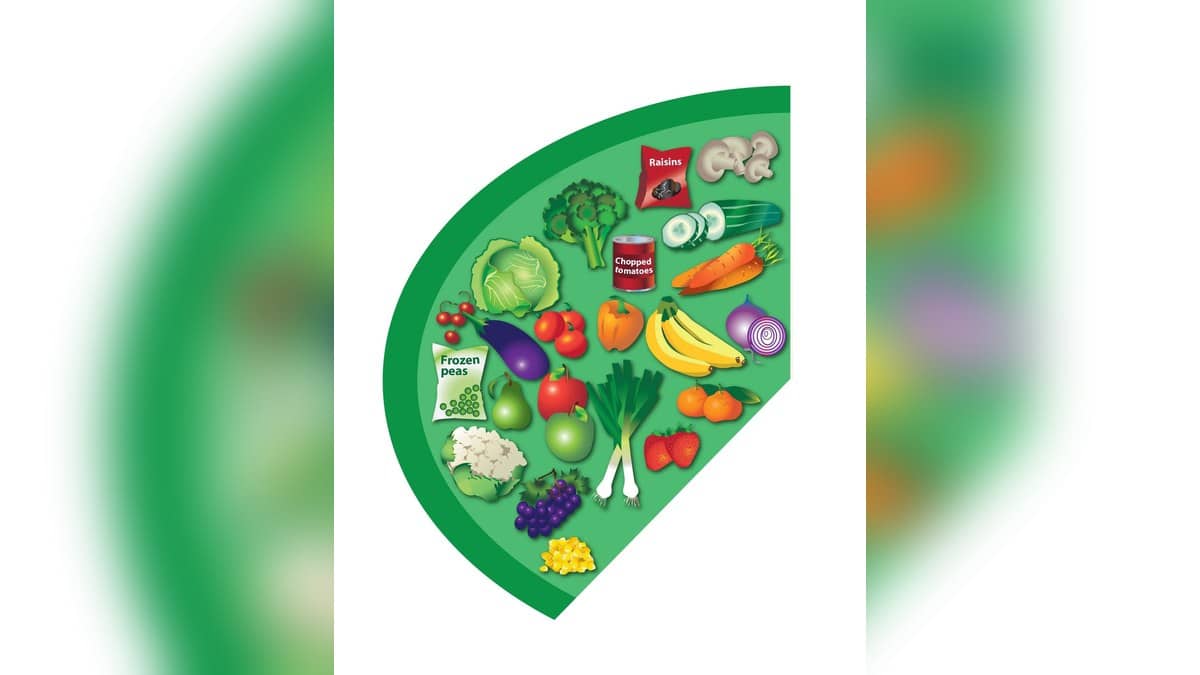
The Eatwell Guide explanation places wholegrain carbohydrates, fruit, vegetables and pulses within broader balanced eating. Its illustration is a guide to food groups, rather than a claim that one bowl of a particular dish completes your nutritional needs. Retain that distinction when adapting examples to an Indian kitchen.
How much fibre is in dal, roti or a serving of rice?
A reliable number needs a defined recipe and serving size. “One bowl” can mean different amounts in different homes, while cooked dishes vary in water, ingredients and proportions. This article therefore does not assign an invented fibre total to a katori of dal or a roti. The NHS itself notes that fibre content changes with preparation and the amount eaten.
If you are comparing packaged foods, compare the same stated quantity and check whether the fibre amount is listed. A per-serving number and a per-100-gram number answer different questions. For that reading task, our guide to Indian food labels explains why the serving information matters. Do not treat a label claim as the total for your entire meal.
For a home-cooked dish, keep the recipe description with any calculation you use. A number without the ingredient amounts or portion size is difficult to check. Readers who need a calculated intake for medical reasons should take their usual meals and portion details to a qualified professional rather than rely on a generic online food list.
Does eating more fibre guarantee a health result?
No individual outcome can be promised from a food list. The NHS describes links between higher-fibre eating and health, but that does not justify presenting a particular dish as treatment. This guide covers ordinary food choices and avoids disease-specific meal prescriptions, supplements and weight-loss targets.
Keep any existing medical dietary instructions in place and ask for tailored advice where needed. For related habits, see our explainers on walking and activity and sleep needs by age. Use food-group guidance to ask better questions about your usual meals, rather than judge a day's eating by a single ingredient.