Hypertension usually causes no noticeable symptoms. A person can feel well and still have persistently high blood pressure, so a headache, dizziness or the absence of either cannot establish whether someone has it. The World Health Organization says blood pressure needs to be measured, with a health professional assessing the readings and the person's circumstances. Searching for symptoms is therefore less useful than understanding why checks matter.
| Question | Key point |
|---|---|
| Can hypertension be symptom free? | Yes, most people do not feel symptoms |
| What are the two numbers? | Systolic pressure during a heartbeat and diastolic pressure between beats |
| What does WHO describe? | Repeated readings of at least 140 systolic and/or 90 diastolic on two different days |
| Can one online checklist confirm it? | No, clinical assessment and measurements are needed |
This explanation uses the WHO hypertension fact sheet, dated 25 September 2025, alongside NHS and CDC public guidance. The pages were checked on 4 November 2026 at 22:03 IST. It explains the meaning of the guidance and when symptoms require care, without offering a diagnosis, treatment plan or personal blood pressure target.
What are the symptoms of hypertension?
WHO says most people with hypertension do not feel any symptoms. The NHS high blood pressure guide makes the same point: many people have it without realising. Headaches, blurred vision and chest pain can occur, but they are not a dependable screening checklist. Feeling energetic, sleeping normally or being able to work does not substitute for a blood pressure measurement.
This distinction helps explain a common misunderstanding in health searches. A list of symptoms describes things that can happen; it does not tell you that everyone with a condition must experience them. Nor does experiencing a listed symptom establish its cause. A clinician can consider blood pressure alongside the symptom history and other possible explanations.
What do the top and bottom blood pressure numbers mean?
Blood pressure is recorded as two numbers in millimetres of mercury, written as mmHg. The first, systolic pressure, reflects pressure in blood vessels when the heart beats. The second, diastolic pressure, reflects pressure when the heart rests between beats. A reading such as 140/90 contains two measurements, rather than a score out of a possible total.
WHO describes hypertension as repeated systolic readings of at least 140 mmHg and/or diastolic readings of at least 90 mmHg, measured on two different days. The “and/or” matters: both numbers do not have to cross the stated level together. This description should be discussed with a professional rather than used to assign yourself a diagnosis from an isolated reading.
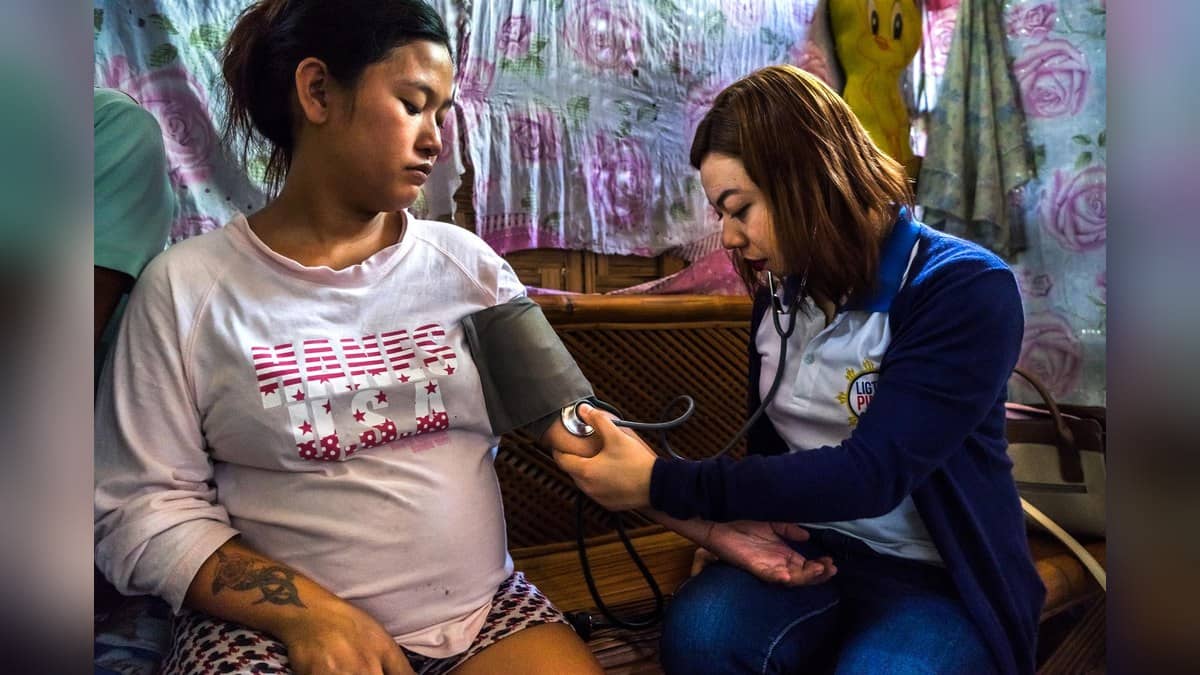
Blood pressure can change through the day with activities. The CDC overview explains why clinicians may use several readings over more than one visit. The NHS also describes confirmation through repeat appointments, home readings or monitoring over a longer period. The relevant question is the pattern and the circumstances in which measurements were taken.
Why do different sources show different thresholds?
Official sources do not all use identical categories. The CDC page presents the American College of Cardiology and American Heart Association framework, which describes consistently high readings from 130/80 mmHg. WHO's fact sheet uses the repeated 140/90 definition explained above. These are identified frameworks, not interchangeable numbers to combine into a new personal rule.
Measurement settings also matter. The NHS distinguishes its usual clinic threshold from its home threshold. If two web pages seem to disagree, check whose guidance you are reading, which measurement setting it describes and whether it is discussing diagnosis, risk or a treatment goal. Ask a qualified clinician in India which guidance applies to your care.
Which warning signs need immediate medical care?
WHO says very high blood pressure, usually 180/120 or higher, can be associated with severe headache, chest pain, breathing difficulty, confusion and changes in vision, among other symptoms. It advises immediate care when symptoms occur with high blood pressure. These warning signs should not be treated as a requirement to wait until a particular reading appears.
Sudden or persistent chest pain, severe breathing difficulty or other severe symptoms need urgent medical attention. An internet search cannot determine their cause. If you already have a condition, consult a qualified doctor about your readings and symptoms. People should not wait to feel unwell before discussing a known blood pressure problem with their healthcare professional.
Who should discuss blood pressure checks with a doctor?
NHS guidance identifies age, close family history and South Asian background among factors associated with greater risk. WHO also lists chronic conditions such as diabetes or kidney disease. A risk factor does not predict an individual's result; it helps explain why a clinician may consider checks appropriate even when there is no obvious symptom.
Uncontrolled high blood pressure can damage the heart, brain and kidneys over time. This is why the absence of immediate discomfort does not settle the question of health risk. Keep a clear record of readings and any symptoms to discuss during an appointment, including whether readings came from home or a clinic. Let the clinician interpret them together.
For related background, read our explainers on walking and weekly activity guidance, understanding food labels and adult sleep recommendations. These describe general health guidance and do not replace individual assessment of hypertension or a plan agreed with a qualified doctor.