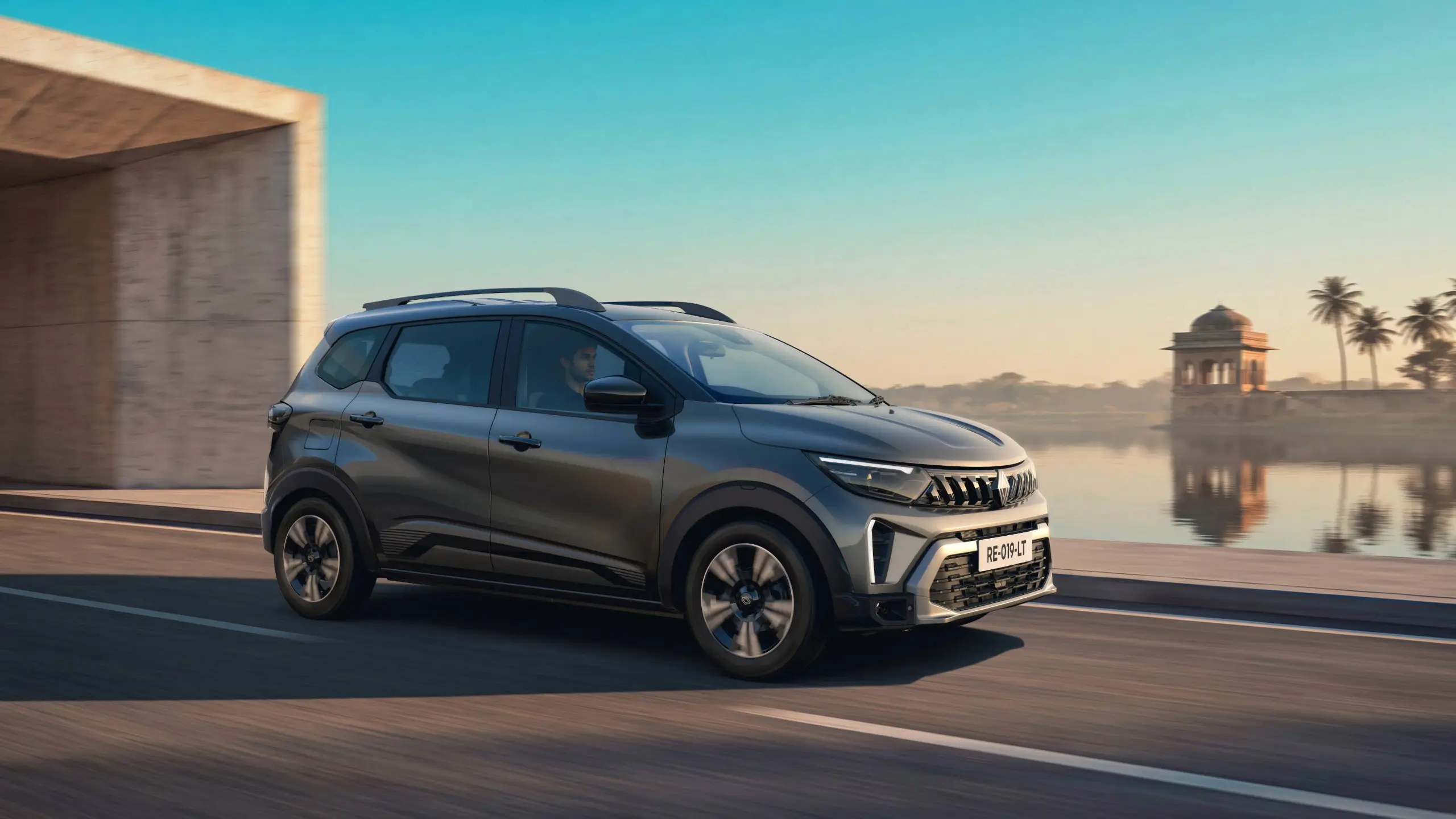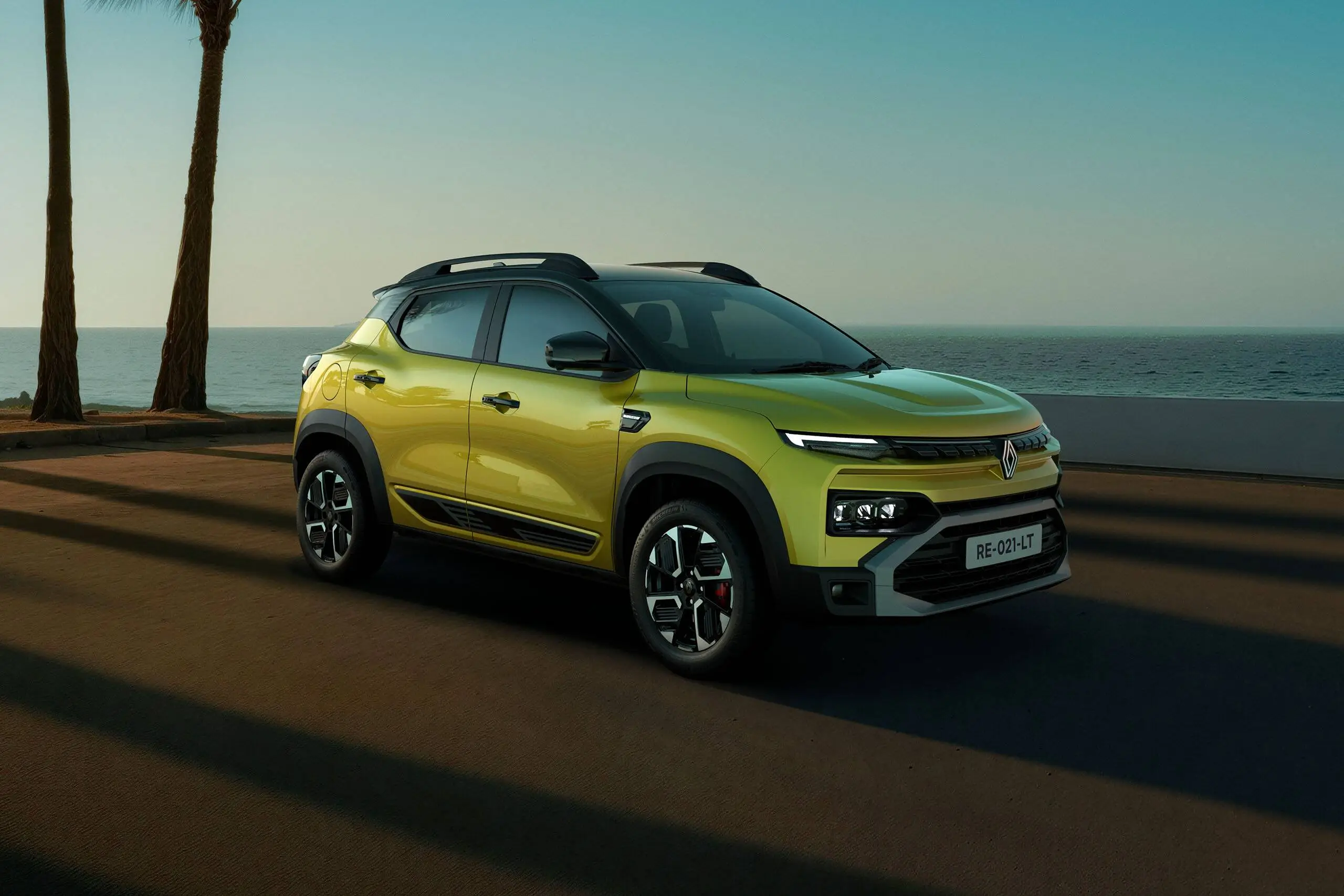
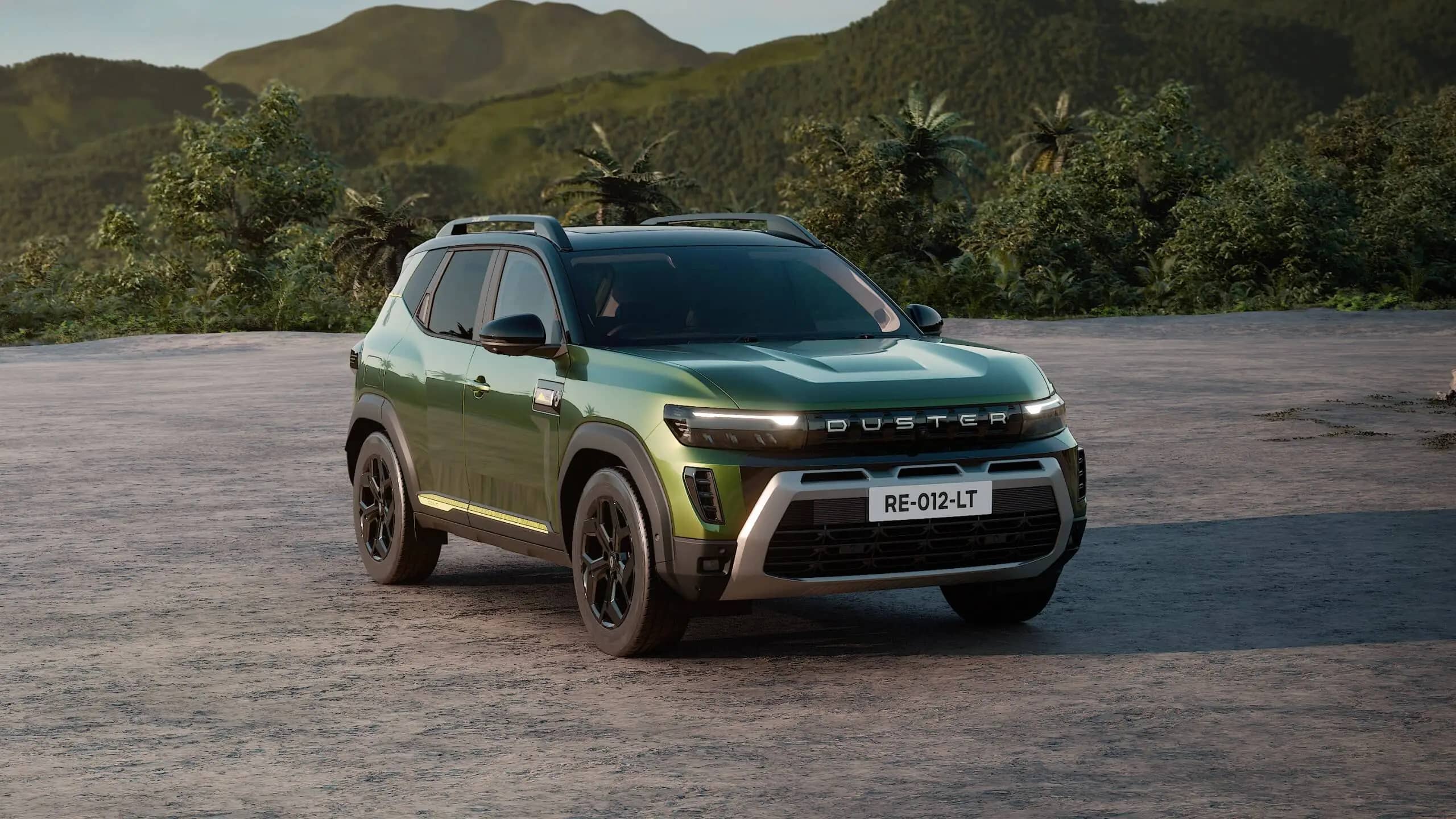
Renault India opened bookings for the Duster strong hybrid E-Tech 160 on 9 October 2026, with a Rs 21,000 booking amount ahead of its 17 October market debut. The company also announced an ARAI-certified fuel-efficiency figure of 29 km/l for the SUV.
The 9 October announcement permits bookings through Renault's Indian website and authorised dealerships. It supplies a fixed debut date and certified mileage after the broader festive-season arrival window covered in Dalimss News' earlier Duster hybrid report. The release does not announce the hybrid's ex-showroom price.
What the booking amount covers
Renault's Duster-specific online-booking terms describe the payment as an expression of interest. It does not confirm a vehicle allocation or completed purchase. The amount is adjusted against the final vehicle invoice when payment and invoicing are completed, subject to the programme's conditions.
Variant and colour selection take place through the dealership after launch. The dealer communicates a delivery date once the selected vehicle reaches it from Renault's manufacturing unit. The terms allow that timetable to change, so the 17 October market debut is not a promised handover date for every booking.
The online-booking FAQ lists UPI as the only online payment method and says bookings cannot be transferred. Cancellation and refund requests go to the selected dealership. The programme does not provide cancellation through Renault's website, according to the accompanying terms.
The Duster terms specify a Rs 1,000 cancellation charge per car, with no interest payable. They state that refunds are processed within 20 working days after cancellation when correct details have been supplied to the dealership. A written refund application, the customer's booking-form copy and the receipt are required. The booking amount and published terms were checked on 11 October 2026 at 9:40 am IST.
A petrol engine, two motors and a small traction battery
The Indian hybrid combines a 1.8-litre petrol engine with two electric motors and a 1.4 kWh battery. Renault quotes combined system output of 160 PS. A multimode automatic transmission manages the power sources, while energy recovery during slowing and braking helps replenish the battery. An external charging connection is not required.
Renault's India E-Tech page says the car starts on electric power, with the petrol engine switching in automatically when needed. The page advertises electric operation for up to 80 per cent of time spent driving in the city, with a qualification that actual results vary with driving conditions and other factors.
That percentage describes time in electric operation. It does not mean 80 per cent of a journey's distance, and it is separate from the certified fuel-efficiency figure. The 29 km/l number is a test result, not a guaranteed result on every commute or highway trip.
How it differs from the existing petrol Duster
Renault's India engine page lists the existing turbo TCe 160 with a 1.3-litre petrol engine, six-speed manual or six-speed dual-clutch transmission. It separately identifies the hybrid's 1.8-litre engine and two-motor arrangement. The similar 160 names therefore refer to different powertrains, rather than a shared engine with an added battery.
For technical background, Renault's explanation of its hybrid system describes electronic control using battery charge, accelerator demand and road conditions to choose propulsion. Petrol and electric power can work together; the combustion engine can also support battery charging. This explains why a self-charging hybrid still uses petrol even though part of a drive can take place electrically.
The same explanation distinguishes full hybrids from plug-in hybrids, which can take electricity from an external supply. The Duster's booking announcement confirms the self-charging arrangement for India. Charging times or electric-only ranges quoted for Renault's other hybrid models therefore do not establish a specification for this SUV.
Renault's main Duster product page shows features such as a panoramic sunroof and connected-car functions across the current range. That does not establish which features will be standard on each hybrid grade. A hybrid-specific equipment list is needed to resolve that allocation.
The next confirmed event is the full India reveal on 17 October. The booking release leaves variant-wise prices and equipment allocation undisclosed. Dalimss News has separately covered the Toyota Fortuner Leader Edition's October booking announcement, another current development in India's SUV market.