NEW DELHI: Redmi Note 14 5G has a 50MP Sony LYT-600 main camera, but Xiaomi's India specification lists maximum video recording at 1080p and 30fps. The same video figure appears for the 20MP front camera. For owners recording a school performance or family gathering, the still-photo resolution and video limit answer separate questions.
| Camera feature | Official India specification |
|---|---|
| Main rear camera | 50MP Sony LYT-600, f/1.5 |
| Additional rear cameras | 8MP ultrawide, 2MP macro |
| Stabilisation listed for rear camera | OIS and EIS |
| Zoom description | 2x in-sensor zoom |
| Rear video maximum listed | 1080p at 30fps |
| Front camera | 20MP, f/2.2 |
| Front video maximum listed | 1080p at 30fps |
The camera name needs the India specification beside it
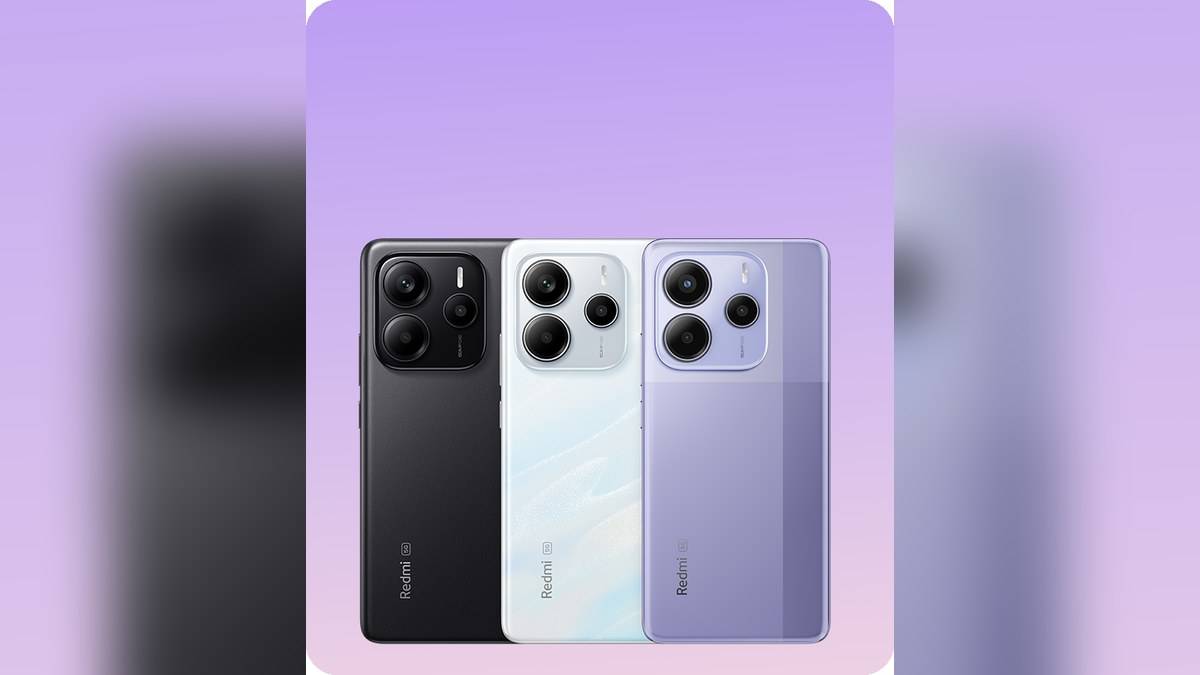
This guide concerns the Redmi Note 14 5G described on Xiaomi's India pages. The exact model name matters when looking up camera capabilities. A photograph of the phone, a series name or a broad Redmi Note advertisement is not enough to establish which camera specification applies.
The India sheet identifies three rear cameras with different purposes. The main camera carries the Sony sensor name and the largest resolution figure. The ultrawide provides another framing option, while the macro camera addresses close subjects. Those extra cameras should not be counted as additional main sensors with equivalent resolution or identical recording capabilities.
Xiaomi also gives the main camera an f/1.5 aperture. This is a useful optical specification, but the product page is a statement of hardware and features, not an independent test of pictures made at an evening market or inside a classroom. Exposure, movement and the scene still matter.
Read the zoom claim as in-sensor zoom
The official description calls the 2x feature in-sensor zoom. Its promotional language includes optical-grade quality, but the specification does not list a separate telephoto camera. The distinction matters: an owner deciding where to stand for a stage photograph should not interpret the zoom label as evidence of an additional long lens.
For a school event, start by deciding whether the task is a wide record of the stage or a closer picture of a participant. The listed ultrawide and in-sensor zoom provide different ways to frame that scene. Neither label establishes how much facial detail the phone will retain under the venue's lighting.
OIS and EIS appear in the rear-camera specification. Xiaomi presents stabilisation as a way to reduce blur from camera movement. That should not be expanded into a promise that a running child, a moving dancer or every handheld night photograph will look sharp. The published feature does not remove the need to judge the actual result.
Video is the specification to check before an event
The rear-camera row states 1080p at 30fps under maximum frame rate and resolution. The front-camera row repeats 1080p at 30fps. The India sheet therefore gives no basis for describing this phone as offering 4K recording or a higher frame-rate recording mode in this guide.
The phone's display specification separately says up to 120Hz. That is a screen refresh figure, not the camera's recording rate. Seeing smooth movement while using the interface does not change the maximum video mode printed in the camera table.
Before an important recording, make a short trial in the camera application and replay it with sound. This is a practical preparation step, rather than a claim about an undocumented camera setting. A trial also helps establish whether the chosen position captures the whole scene you actually need.
Editing tools are a separate part of the photograph
Xiaomi's official FAQ lists AI Erase, AI Magic Sky and AI Album. These concern editing or organising photographs. They should be understood separately from the camera's sensor, lens and recording specification. An edited result is also a different thing from the scene as it was originally photographed.
For context on other Redmi ranges, see our Note 15 series price guide and Note 17 series price guide. Owners dealing with damage rather than camera operation can refer to the separate Xiaomi India warranty explainer.
Xiaomi's camera table gives the main sensor a size of 1/1.953 inches, a 0.8-micrometre pixel size and a six-element lens. The front camera uses a 1/4-inch sensor with 0.7-micrometre pixels. The sheet also marks slow-motion support as present.
The handset's display resolution is 2400 x 1080, with active touch sampling at 240Hz. Its audio specification lists two microphones, dual speakers, Dolby Atmos and a headphone jack. The phone measures 162.4 x 75.7 x 7.99mm and weighs 190g. Xiaomi lists a 5110mAh battery, 45W charging support and a 45W charger in the box.
Official sources: Redmi Note 14 5G India specifications, product overview and official FAQ.