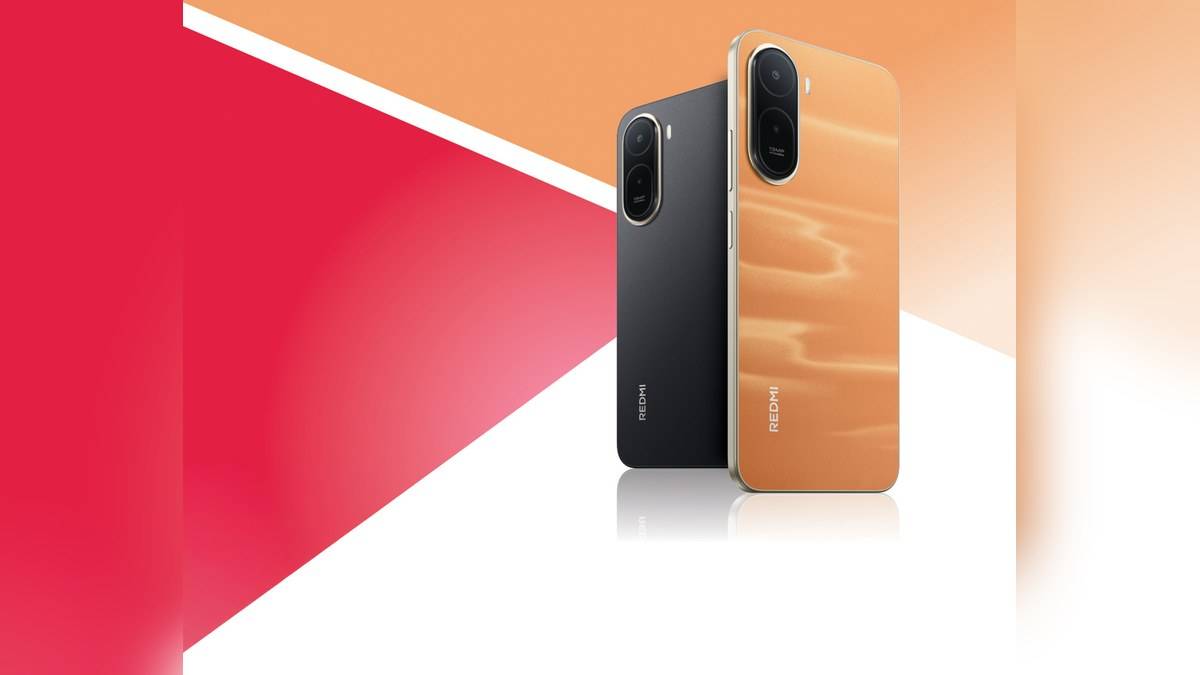
NEW DELHI: Redmi A7 Pro's India specifications list 4GB of LPDDR4X RAM, 64GB of internal storage and a dedicated microSD slot supporting expansion up to 2TB. Xiaomi also advertises virtual RAM up to 4GB + 4GB. These figures describe different kinds of capacity, so they should not be added together as though they were the same resource.
| Memory or storage item | India specification |
|---|---|
| Physical RAM | 4GB LPDDR4X |
| Internal storage | 64GB |
| Virtual RAM wording | Up to 4GB + 4GB |
| microSD slot | Dedicated |
| Expansion ceiling | Up to 2TB |
This guide concerns Redmi A7 Pro without the 5G suffix. The exact product name matters: Xiaomi has a separate Redmi A7 Pro 5G, and its memory configurations should not be substituted for this model's India specification. The non-5G page identifies the processor as UNISOC T7250 and lists the built-in memory configuration separately from expansion.
Make a plan for the built-in 64GB
Internal storage is the phone's starting space for its software, applications and saved content. The published 64GB figure is the nominal capacity, rather than a statement of the free space that will be visible after setup. Xiaomi's India pages checked for this article do not give an exact usable-space figure, so quoting a precise remaining amount would be unjustified.
Begin by checking the storage breakdown on the handset after setting it up. That gives an actual baseline for the particular installation. Look at the space occupied by applications, downloads, photographs and other media before deciding what to move or delete. Avoid treating all saved files as disposable merely because the storage indicator is filling up.
For a student using this phone for downloaded class material, the practical distinction is between files that must remain available and copies that can be downloaded again. Keep irreplaceable assignments and recordings backed up before clearing space. A folder containing an important submission deserves different treatment from a temporary download, even when both appear in the same storage category.
What the dedicated card slot adds
Xiaomi's specifications and FAQ both identify microSD expansion up to 2TB, with the specifications describing a dedicated slot and dual SIM support. This provides a separate route for expanding file storage. The published ceiling does not mean that a card of that size is supplied, or that the phone has that amount of internal capacity.
Treat the card as a place whose contents need organising and checking. Before removing original copies from the phone, confirm that the files open from their new location. For important documents, retain a further copy elsewhere. A removable card is convenient for carrying media, but merely moving the only copy does not create a backup.
The official India pages do not state that every application can be installed on the card or that every app will save downloads there automatically. Check each application's own storage options. This matters for study and messaging use because the owner may successfully move photographs while the largest application data continues to occupy internal space.
Likewise, the expansion ceiling says nothing about the performance of an unspecified card. This report does not attach an unsupported transfer speed, brand recommendation or formatting requirement to the slot. Follow the handset's prompts and the supplied documentation for the actual card rather than infer compatibility from capacity alone.
Read 4GB + 4GB carefully
The physical RAM entry is 4GB LPDDR4X. The separate virtual RAM entry is described as up to 4GB + 4GB. Xiaomi's labelling itself separates the installed hardware from the expansion feature. Describing this as an unqualified 8GB physical RAM configuration would erase that distinction and misidentify the variant.
For owners, the useful question is what resource is running short. A full photo folder is a storage problem; the nominal RAM number is a different specification. Switching attention to the larger combined RAM figure does not explain how much room remains for a video or PDF. Use the storage information for file-space decisions and keep the RAM terminology separate.
The India specification lists Android 16 and HyperOS 3.0, while the overview promotes interconnectivity features including a shared clipboard. A clipboard transfer is also a different operation from maintaining an archive. When moving coursework between a phone and another device, check the saved file itself, rather than assume that copying a link or text fragment has transferred the original document.
Check the right regional specification
The India pages list a 6300mAh typical battery, with 15W charging and a charger in the box. These details help identify the particular regional product being discussed. They should not be replaced by figures from a differently specified overseas listing simply because the product names look identical.
For related explanations, see our guides to Redmi 17C 5G vs Redmi 17 5G: is the Rs 3,000 extra worth it?, Redmi budget phone price list: 17C Rs 20,999, 15A Rs 16,499, A7 Pro Rs 14,499, A7 Rs 12,999 and Redmi Note 15 series price list: Pro+ Rs 39,999, Pro Rs 31,999, SE Rs 25,999. Each addresses a separate model; none changes the A7 Pro's own limits.
The workable ownership plan is straightforward: monitor the built-in storage, use the dedicated card slot for suitable files and keep a separate backup of important work. Preserve the distinction between 4GB physical RAM, the virtual expansion claim, 64GB internal storage and the card's supported maximum.
Official sources: India specifications, FAQ and overview.