
NEW DELHI: Maharashtra's EV policy assigns different purchase-incentive ceilings to passenger three-wheelers, cargo three-wheelers and electric goods carriers. The published caps are Rs 30,000 for the listed electric three-wheeler categories, Rs 1,00,000 for N1 light goods vehicles and Rs 20,00,000 for N2 and N3 goods vehicles. These are conditional ceilings, not a flat payment promised on every purchase.
| Commercial EV category | Rate on ex-factory cost | Per-vehicle cap | Policy allocation |
|---|---|---|---|
| Passenger three-wheeler, L5M | 10% | Rs 30,000 | 15,000 vehicles |
| Cargo three-wheeler, L5N | 15% | Rs 30,000 | 10,000 vehicles |
| Light goods carrier, N1 | 15% | Rs 1,00,000 | 10,000 vehicles |
| Goods carrier, N2 or N3 | 15% | Rs 20,00,000 | 1,000 vehicles |
The vehicle category comes before the cap
The table comes from the state government's EV Policy 2025 resolution, whose stated period runs from 1 April 2025 to 31 March 2030. Its demand-incentive provisions refer to eligible manufacturers and electric vehicles sold and registered in Maharashtra. The cost basis is ex-factory value.
For a small transport business, this means the vehicle's category needs to be established before an incentive is entered in a purchase budget. An electric passenger auto, a cargo auto and a light delivery truck can all serve nearby routes, yet appear in different rows. The commercial task alone cannot determine which row applies.
A percentage and a ceiling do different jobs
The rate describes how the benefit is calculated on the eligible cost base. The cap limits the result. Neither column should be read in isolation. A dealer's retail quotation may contain items that do not belong to the policy's calculation base, so applying the percentage to the full amount payable could produce a misleading estimate.
A useful quotation would identify the declared vehicle category, the relevant cost base and the claimed incentive separately. That gives an owner a way to reconcile the advertised vehicle amount with the policy calculation. It also makes clear whether a supplier has already reflected an expected benefit in the amount being discussed.
Allocation is different from confirmed availability
The allocation column describes the number of vehicles the policy proposes to incentivise. It is not a live counter of unclaimed slots. No remaining-quota figure was verified in this research, and none is implied by this table.
This distinction matters most when a business is ordering several vehicles. A published ceiling can help frame a discussion, but it should not automatically be multiplied across a proposed fleet order as a confirmed receivable. The approval position and the individual vehicles covered need to be established through the applicable process.
Separate freight benefits from passenger toll provisions
The department also publishes an EV-policy corrigendum dated 29 August 2025. It concerns reimbursement arrangements for passenger electric-vehicle toll exemptions on specified corridors, including the Mumbai-Pune Expressway, Samruddhi Mahamarg and Atal Setu. It should not be read as a blanket goods-truck toll exemption.
For a freight operator, that is a material budgeting distinction. A demand incentive relates to acquisition, while a toll concession would affect a route's operating expenditure. The presence of both subjects in an EV policy does not make both available to every category of vehicle.
What the national policy assessment adds
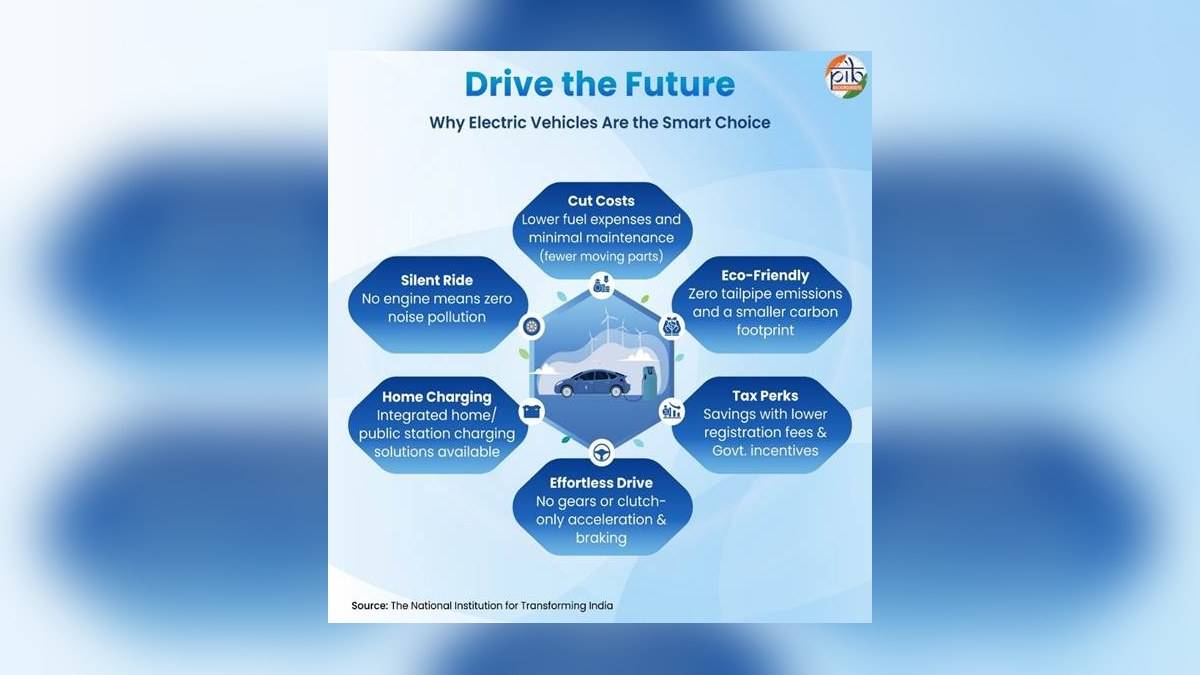
The India Electric Mobility Index 2025, published on NITI Aayog's website, highlights Maharashtra's early support for electric heavy goods vehicles. The report also recommends measures to strengthen commercial EV adoption and expand renewable generation to meet charging demand.
Those observations offer context for the state's freight focus. They are research findings and recommendations, rather than additional entitlements in a vehicle purchase contract. An operator should distinguish an assessment of what could improve EV adoption from a notified benefit that can be claimed.
Keep the vehicle's duty cycle in the calculation
The practical comparison for an owner-driver would still include the intended route, carrying requirement and a workable charging arrangement. An acquisition benefit does not answer whether charging is available where the vehicle spends its idle time. A fleet review should connect the proposed vehicle to its actual delivery pattern before treating the incentive as the deciding factor.
Battery ownership deserves a clear entry in that review too. If a proposal separates the vehicle from a battery-service contract, ask how the invoice and policy calculation identify the eligible vehicle value. A reduced initial payment and a lower total cost of ownership are different claims, and the contract should make the continuing obligations understandable.
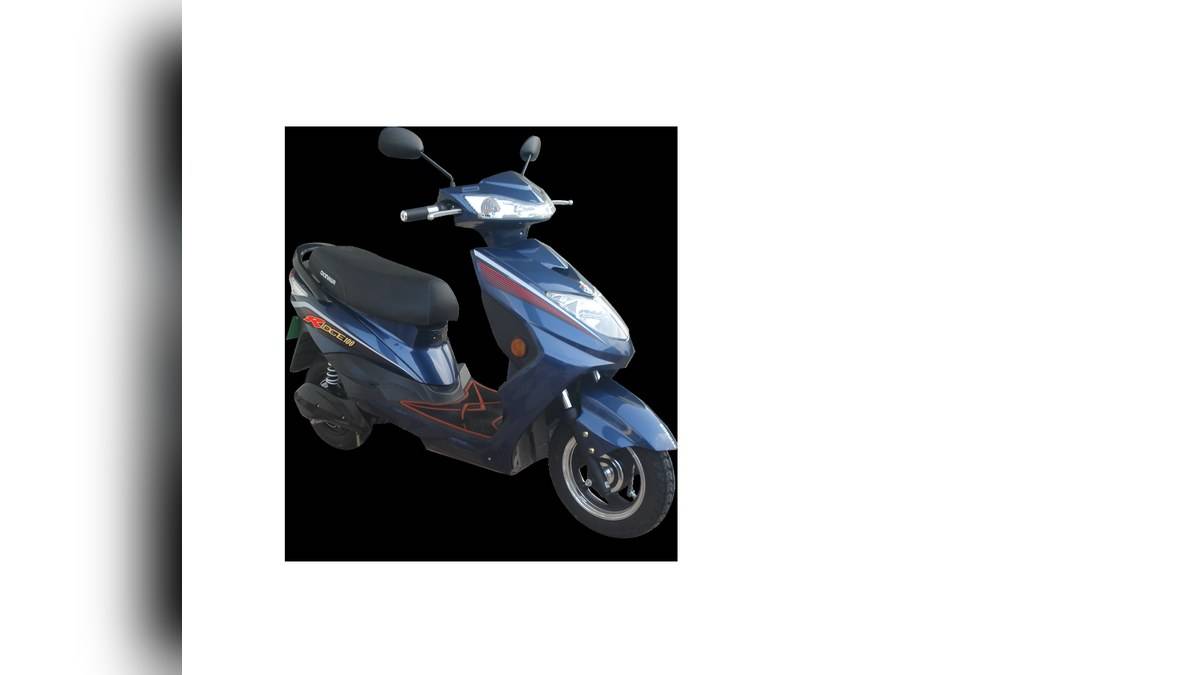
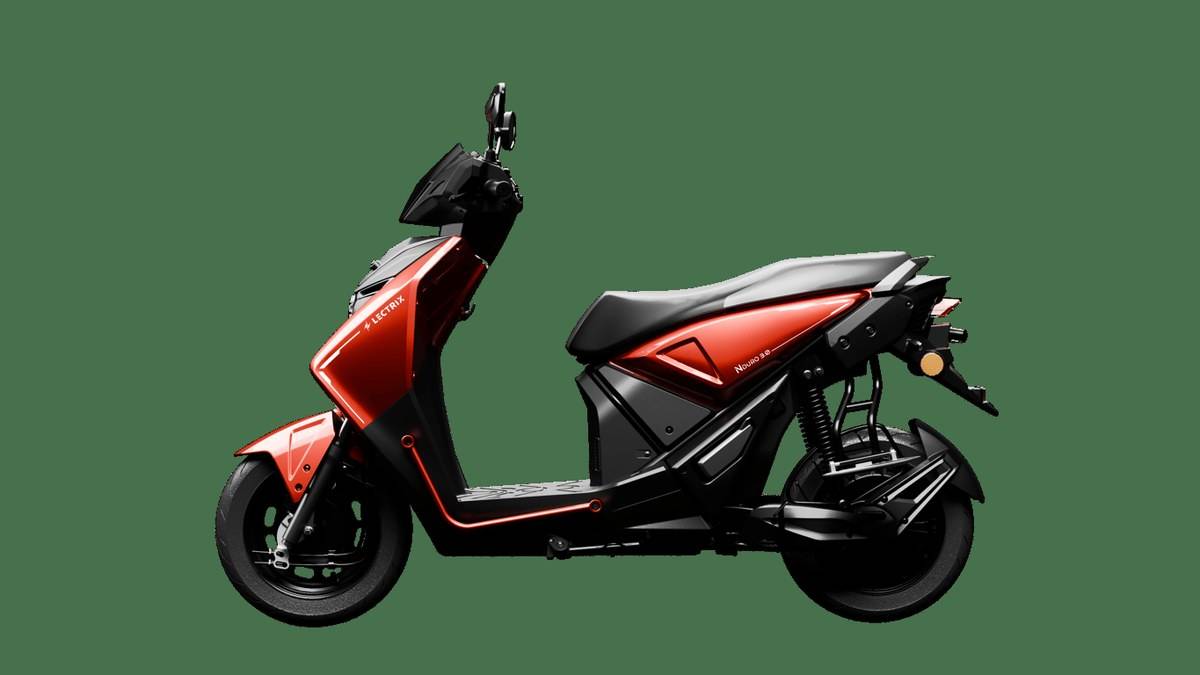
For related reading, our Ather 450 price in your city: 450S from Rs 98,888 in Delhi, Rs 1,35,999 in Bengaluru covers a separate category. See also the Ather 450S at Rs 1,35,999, 450X at Rs 1,48,998: range and features compared and Ather Konarc price in your city: Rs 80,000 in Delhi, Rs 99,999 in Bengaluru. This article does not certify a named model for a state payment; its company photograph is a general freight illustration.
Official sources: state EV-policy resolution, toll-reimbursement corrigendum and India Electric Mobility Index.