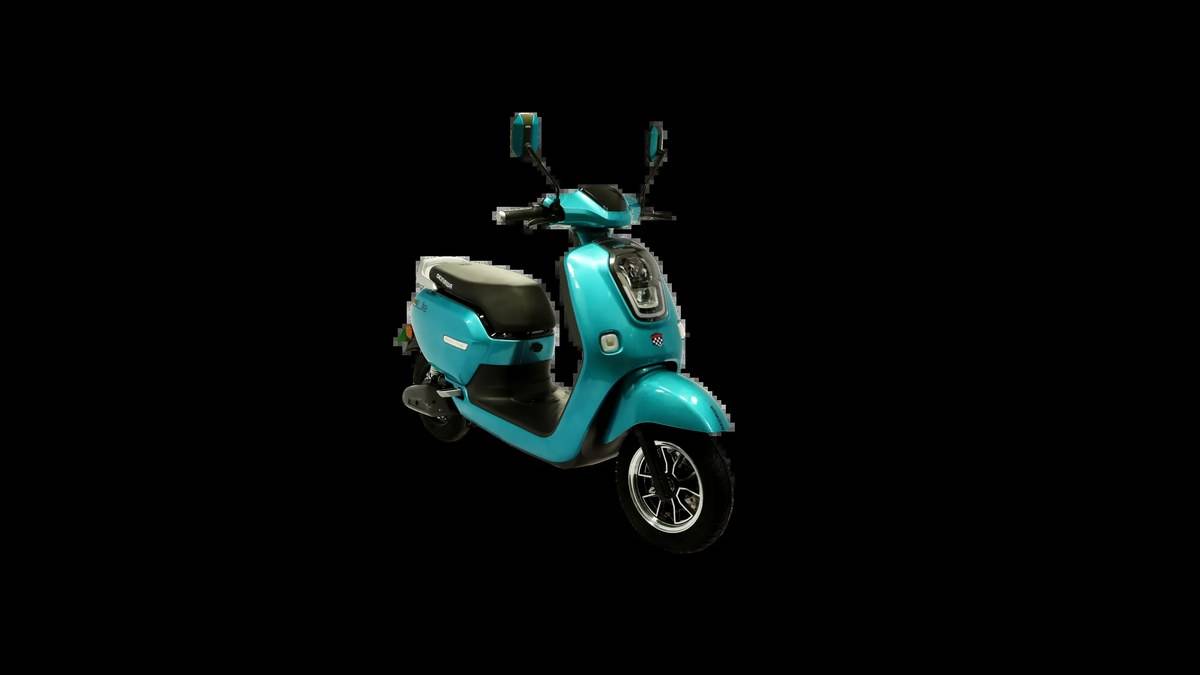
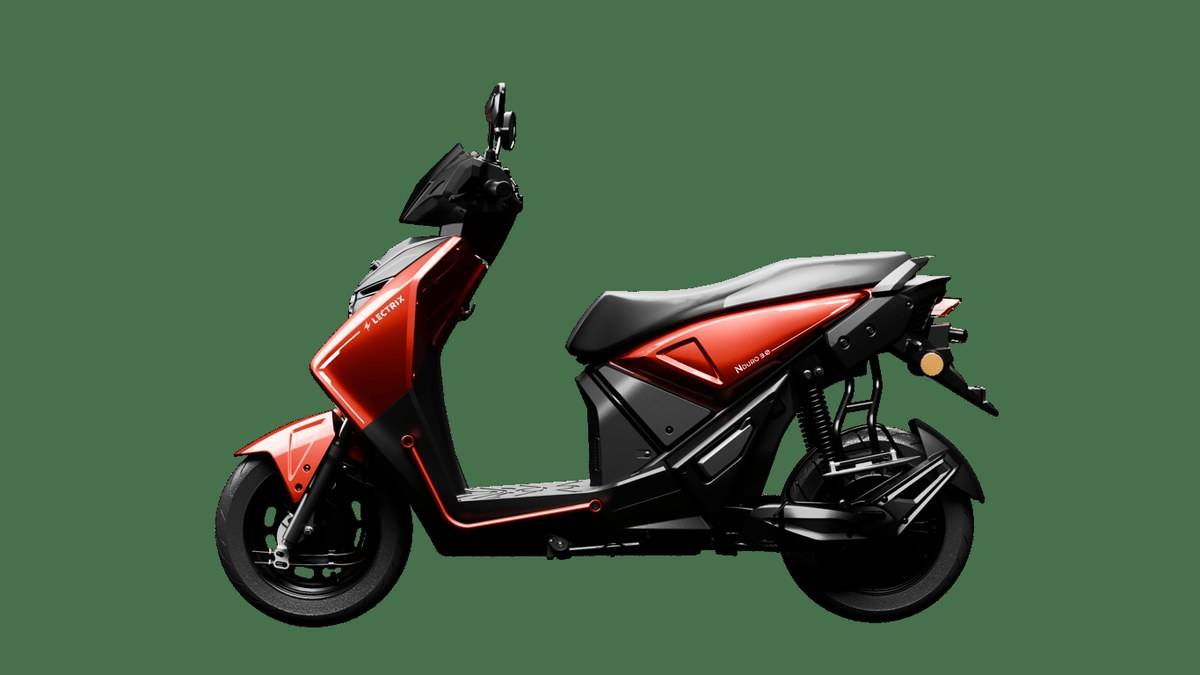
NEW DELHI: Lectrix's official booking page displays the NDuro BaaS at Rs 60,350, NDuro 2.0 at Rs 92,050 and NDuro 3.0 at Rs 1,04,990. The lowest figure uses a battery-subscription arrangement. It should not be compared with the other versions as though every price buys the scooter and battery on identical ownership terms.
| Version | Displayed vehicle price | Range shown on booking page |
|---|---|---|
| NDuro BaaS | Rs 60,350; battery subscription extra | 90 km claimed |
| NDuro 2.0 | Rs 92,050 | 99 km claimed |
| NDuro 3.0 | Rs 1,04,990 | 142 km claimed |
Price as of 17 November 2026, 23:21 IST. These are the figures displayed by Lectrix's model selector, rather than a completed local on-road quotation. The selector also shows Rs 95,350 beside the NDuro 2.0 figure. It does not identify that second number as another variant, so it is not given a separate row here.
Start with battery ownership
Lectrix's subscription page explains the BaaS principle: the customer owns the vehicle while the company handles the battery. It also describes renewing the subscription through an app. This changes the question from the cheapest vehicle price to the terms on which the rider can continue using the battery.
The shared BaaS page advertises a monthly subscription, but also mixes NDuro and LXS references and exchange-related fine print. The written NDuro offer should therefore establish the actual recurring charge, eligibility, replacement terms and any restrictions before a customer relies on a total-cost calculation. This guide does not transfer an LXS-specific selector charge into an NDuro quotation.
Someone who expects to change vehicles during the ownership period should also establish how a subscription can be transferred or closed. Someone who prefers a single vehicle purchase needs to compare that preference against the battery-inclusive versions. A lower entry price is useful information, but it cannot by itself answer either ownership question.
How the versions differ in the official material
The product page identifies the NDuro 2.0 with a 2.3 kWh battery and a 99 km IDC range. The booking page assigns the longer quoted range to the 3.0, while presenting BaaS separately. These are version-specific claims; the longest figure should not be applied across the family.
The same product page says range is measured under standard test conditions and may vary with rider weight, terrain and weather. That qualification is particularly relevant when choosing between versions for a regular commute. Compare the journey with space for a charging reserve, rather than assuming the catalogue figure is the distance available every day.
The booking selector uses an inconsistent unit label for battery capacity. This guide does not silently turn that label into an independently verified capacity for every version. The product page's clearly stated figure is retained for the 2.0, and the selector's distinct range claims are attributed to their named versions.
The NDuro's practical case
Lectrix gives the NDuro a claimed 42-litre boot and describes a longer seat. That combination makes storage and passenger fit more useful inspection points than the headline range alone. Take the bag normally carried and check whether it fits under the seat; a capacity in litres cannot establish whether a particular helmet will fit.
The family page lists Eco, Normal and Sport power modes, reverse mode, a USB charging port and a colour-segmented display. It also advertises mobile-app functions including navigation assistance and geofencing. Because the opened material does not give a complete trim-by-trim equipment matrix, confirm which functions are included with the chosen version.
Reverse mode is worth trying in the actual parking situation, particularly if the scooter will live in a tight bay. The longer seat should similarly be assessed with the intended passenger. Neither feature establishes effortless manoeuvring or comfort for every rider, and this guide is based on official documentation rather than a road test.
Charging, service and handover
The opened NDuro product text does not establish a full charging-time table for all versions. Ask for the supplied charger's specification and the relevant manual with the quotation. A generic brand charging statement should not be used to promise that each battery version will recharge in the same time.
Lectrix's service page instructs users to use the supplied charger and keep the ignition off during charging. It advertises assured warranty, but the opened service text does not provide a complete NDuro component-by-component policy. Obtain the warranty document and identify the nearest service location before treating a general headline as cover for every part.
Who it is for and what to compare
The NDuro is relevant to a commuter comparing storage space and different battery-ownership routes within a single family. BaaS deserves particular scrutiny when the entry budget matters, while the outright versions offer a different way to organise the purchase. The right comparison uses the same ownership period and clearly defined inclusions.
For other family-scooter options, read our Scooter and bike price guide, Ather Rizta S at Rs 1,21,999, Rizta Z at Rs 1,36,999: what you get and TVS iQube price: Rs 95,374 in Delhi, Rs 1,11,560 in Bengaluru, 7-city list. Check each model's current official quotation before treating those alternatives as a matched price comparison.
Official sources: model booking selector, NDuro product page, battery-subscription explanation and service guidance.