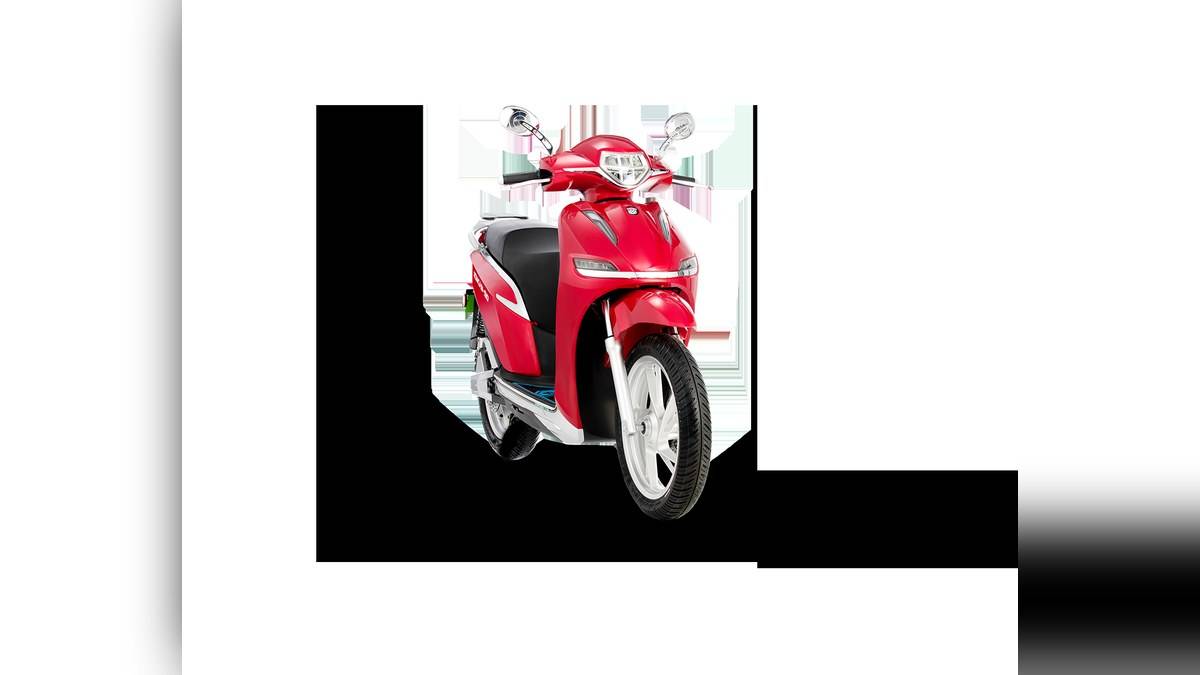
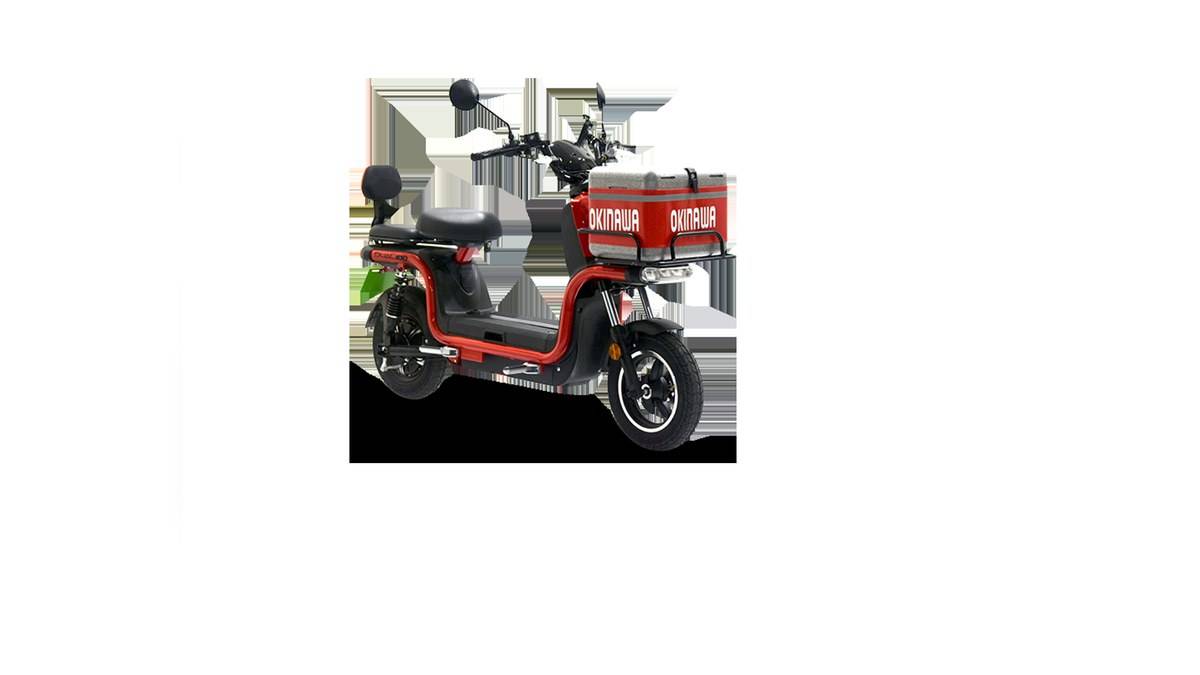
NEW DELHI: The Okinawa Dual 100 is listed at Rs 1,19,085 ex-showroom on the manufacturer's India website. This is a commercial-use electric scooter with a front luggage rack, a detachable battery and a deliberately functional layout. Registration, insurance, accessories and other charges are extra, so the published figure does not represent a complete working vehicle budget.
| Item | Official Dual 100 specification |
|---|---|
| Listed ex-showroom price | Rs 1,19,085 |
| Battery | 3.12 kWh, detachable lithium-ion |
| Peak power | 3,000 W |
| Claimed Eco range | 129 km, ideal test conditions |
| Listed top speed | 60 km/h |
| Charging time | 5 to 6 hours |
| Loading capacity | 150 kg |
| Seat height | 770 mm |
| Ground clearance | 205 mm |
Price as of 17 November 2026, 23:21 IST. Okinawa publishes a single price for this model and shows Red and Yellow colour choices. The opened page does not provide a separate price for a fleet version, a passenger version or an additional battery package.
A commercial scooter needs a different assessment
The front rack is the clearest indication of what the Dual 100 is meant to do. The question for a shop owner or delivery operator is whether the goods actually carried can be secured without interfering with steering, controls or the rider's view. A large rack is a place to attach a load, not evidence that any box or bag will fit safely.
Likewise, the quoted loading capacity should not be treated as permission to put that entire weight on the rack. The official page does not publish a separate rack load rating. Ask for that rating and the approved mounting arrangement before commissioning a carrier. The rider and everything else carried also need to be considered when discussing the scooter's loading limit.
Range planning starts with the route
The detachable pack offers an alternative to leaving the whole scooter beside a socket. However, a business still needs an agreed charging location, secure battery handling and a way to cover downtime. The manufacturer lists a micro charger with automatic cut-off, rather than describing a public rapid-charging network for this model.
Its Eco range carries an explicit ideal-test-condition qualification. A shop's delivery round may involve repeated acceleration, different riders and a changing load through the day. These are reasons to validate the route with the actual work pattern before assigning a charging break. The brochure number cannot settle how much reserve will remain at the end of a demanding shift.
The published charging window also matters to staffing. A long break can be manageable when the scooter returns to a depot overnight, but less convenient if it must serve customers continuously. The opened material does not establish a battery-swap plan, spare-pack price or guarantee that another charger can shorten the process.
Hardware and useful equipment
Okinawa lists disc brakes at both ends, tubeless 90/90-12 tyres and alloy wheels. Front suspension is hydraulic telescopic, with twin rear shock absorbers. Remote-on operation, parking mode and push-type rider and pillion footrests appear in the detailed equipment list.
These features should be demonstrated with the intended carrier installed. The rider needs clear access to the footrests and room to move at stops. Ground clearance is relevant to a delivery route, but it does not show what happens when a loaded carrier projects beyond the scooter or when a steep ramp changes the approach angle.
The detailed table says there is no mobile-app connectivity and no GPS. A nearby promotional tile mentions a scooter-locating function, which does not establish fleet tracking. This guide therefore does not count live tracking as included. A business that needs dispatch visibility should get a written description of any proposed tracking equipment and its charges.
Service records are part of operating the vehicle
Okinawa's warranty page lists battery cover for 36 months and motor, controller, charger and frame cover for 36 months or 30,000 km, whichever comes first. It describes cover for manufacturing defects. That distinction matters when assessing consumables and wear during intensive use.
The policy also makes the service schedule a warranty condition. For an operator sharing the scooter between riders, one person should retain invoices and service records. A commercial-use description on the product page does not replace the need to read the actual warranty terms supplied with the vehicle.
Who it is for and which alternatives matter
The Dual 100 is relevant to a rider or business whose priority is carrying work-related items on a purpose-oriented scooter. A family seeking covered personal storage and a more conventional passenger layout may place different demands on the same budget. Establish the load, charging arrangement and service access before comparing screen features.
For alternatives, our Okinawa OKHI-90 price: Rs 1,49,991 ex-showroom, TVS iQube price: Rs 95,374 in Delhi, Rs 1,11,560 in Bengaluru, 7-city list and Ather Rizta S at Rs 1,21,999, Rizta Z at Rs 1,36,999: what you get describe commuter scooter families. Their role here is to frame the difference between personal transport and the Dual's rack-led commercial brief.
Official sources: Dual 100 product page and Okinawa warranty and service policy.