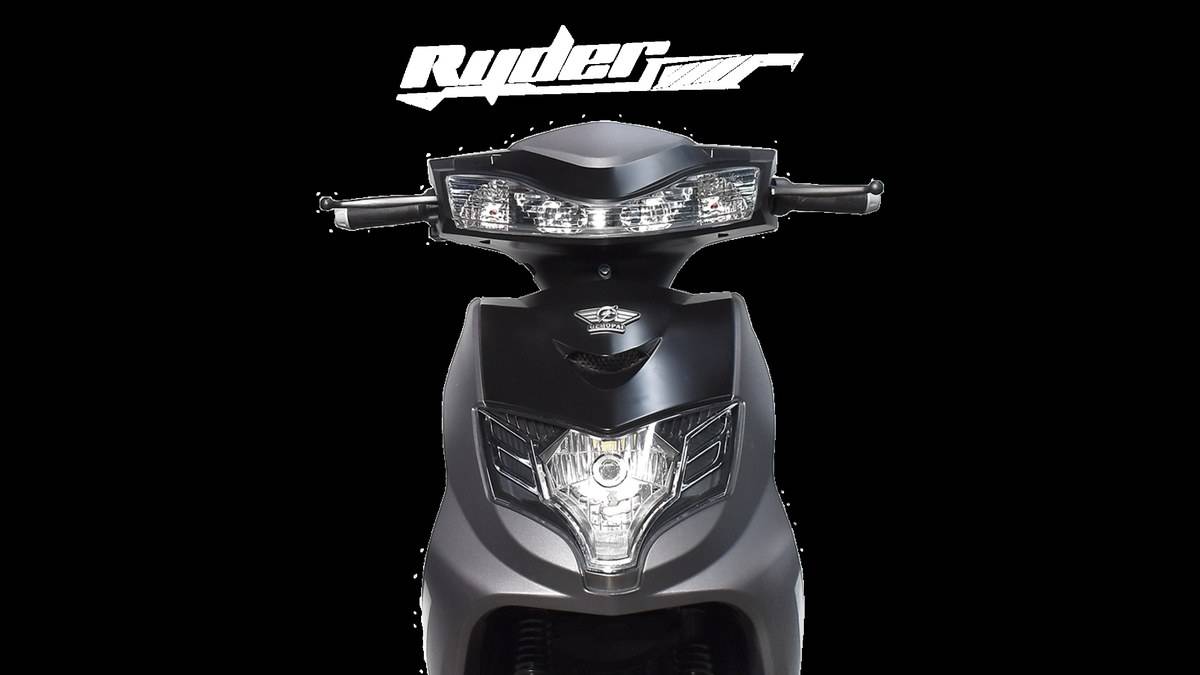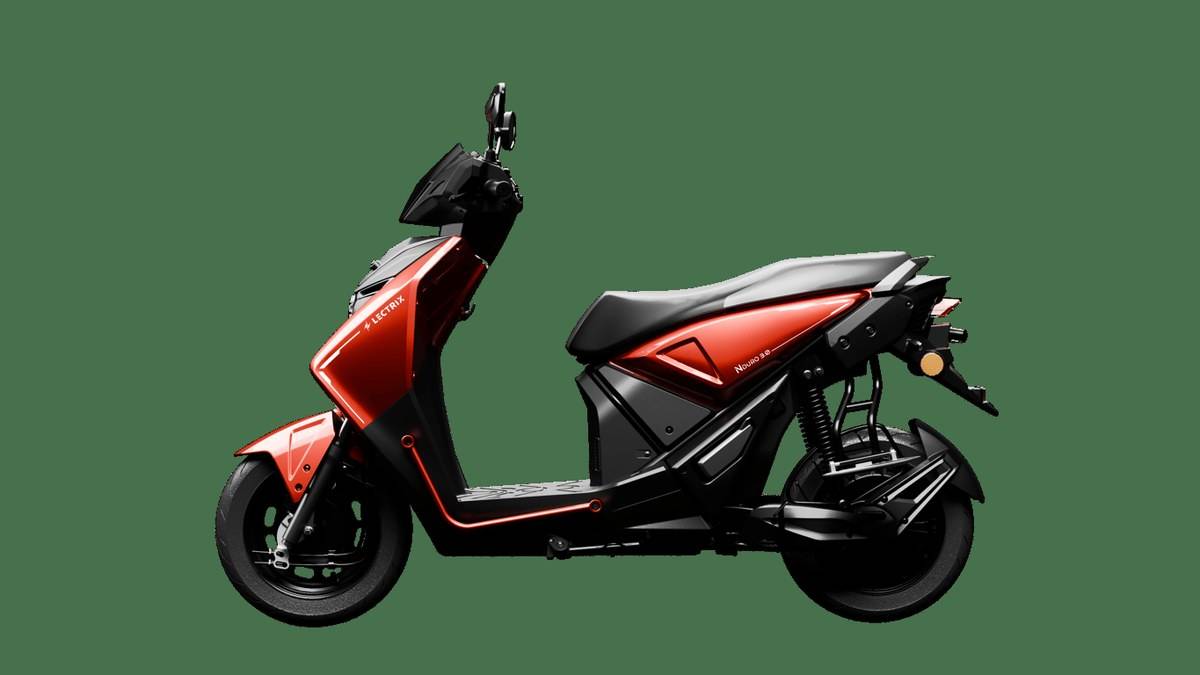
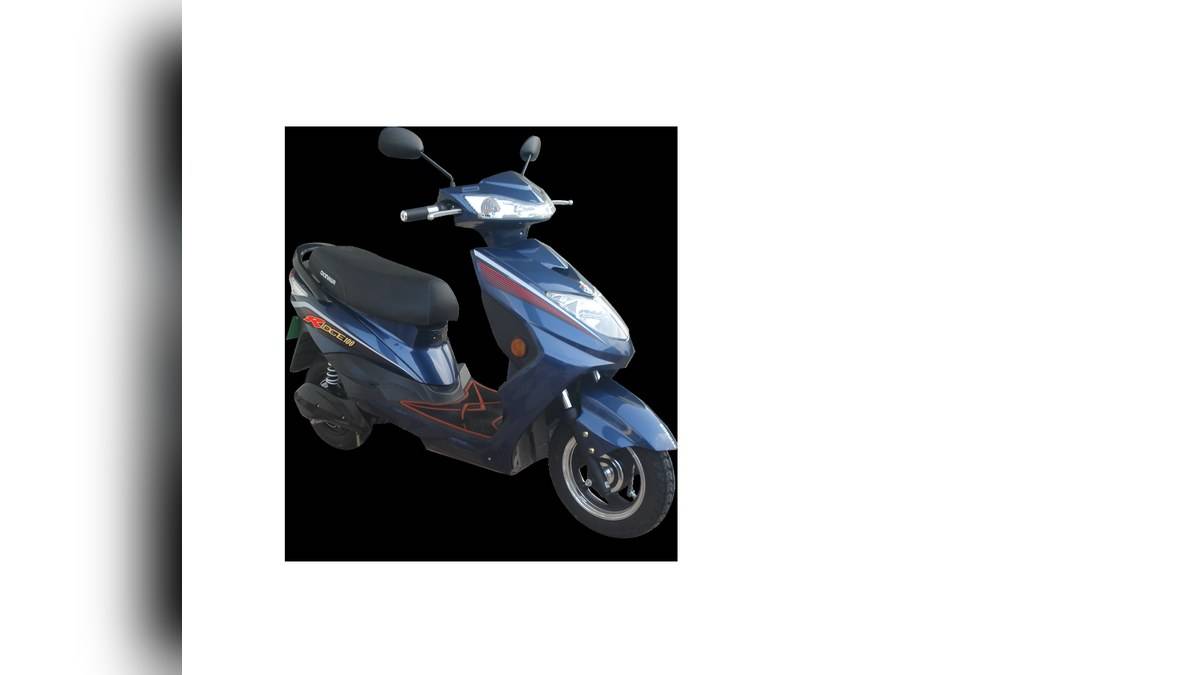
NEW DELHI: Okinawa's official Ridge listings run from Rs 70,096 for Ridge+ without GPS to Rs 1,15,311 for Ridge 100, ex-showroom. Ridge+ GPS is listed at Rs 90,606. The family is unusual because the price steps concern connected equipment and battery capacity while the published top speed remains the same.
| Item | Official listing |
|---|---|
| Ridge+ without GPS | Rs 70,096 ex-showroom |
| Ridge+ GPS | Rs 90,606 ex-showroom |
| Ridge 100 | Rs 1,15,311 ex-showroom |
| Listed top speed, all three | 45 kmph |
| Ridge+ and GPS battery | 1.7 kWh detachable lithium-ion |
| Ridge 100 battery | 3.12 kWh detachable lithium-ion |
Price as of 18 November 2026, 23:26 IST. The figures below are published website prices, not a personalised on-road quotation.
Every listed Ridge version
The table covers the three Ridge entries linked from Okinawa's current scooter catalogue. Registration, insurance, accessories and other charges are extra. These are website prices with no city selection established in the fetched text, so they should not be described as a Delhi-specific quotation or as the amount needed to ride away.
Treat the suffix as part of the model name when asking for a written estimate. A quotation headed only Ridge leaves the most important question unanswered. The distinction between the connected Ridge+ and the larger-battery Ridge 100 should be visible before discussing a colour, an accessory bundle or a finance instalment.
What changes, and what does not
The two Ridge+ pages claim 81 km in Eco conditions and charging in 2 to 3 hours. Ridge 100 claims 149 km and charging in 5 to 6 hours. All are manufacturer figures, with the range tied to ideal test conditions. They describe different usage possibilities, not guaranteed distances on every road.
The longer-range model therefore calls for a different question from the GPS upgrade. Consider how often the household can reliably charge and whether a longer charging window fits that routine. Paying for additional battery capacity makes little practical difference if charging is awkward, while a convenient routine may make a smaller pack easier to live with.
There is no published speed increase to use as the reason for moving up this particular ladder. That helps keep the comparison honest: the larger pack should be evaluated for the reserve it may provide, while the connected version should be evaluated for its services. Neither should be described as a performance upgrade simply because it costs more.
The GPS distinction needs a demonstration
The Ridge+ without GPS specification explicitly says no GPS and no mobile app connectivity, even though its general feature list contains connected-sounding entries. Give the explicit equipment fields priority and obtain written clarification before paying for any disputed function. A broad feature paragraph is not enough to settle what a particular scooter includes.
For the connected versions, request a live walkthrough of account creation, location functions and alerts. Ask what happens when a phone is replaced or the scooter changes hands. These are ownership questions rather than reasons to assume the technology is unreliable; the aim is to understand who controls access and how the service is maintained.
A compact chassis still needs a personal fit check
The Ridge pages list a 735 mm seat height and drum brakes at both ends. This provides a common starting point for comparing the versions, but does not replace sitting on the scooter. Foot placement, handlebar clearance and the effort of reversing out of a parking bay deserve attention from every regular rider.
Bring the normal pillion to the demonstration if the scooter will be shared. A useful exercise is to reproduce the stop-and-start manoeuvres of a local shopping trip, including moving the parked vehicle without throttle. A specification table cannot tell a family whether the controls and seating arrangement will feel natural to them.
Comparing beyond the Ridge badge
The separately opened iPraise+ page lists Rs 1,22,955 ex-showroom and a different overall specification. It is a useful same-brand reference, but the larger number should not be treated as proof that it suits every rider better. Compare the physical fit and the charging process alongside the equipment before drawing a conclusion.
For a petrol alternative, keep the comparison focused on the routine being solved. Does the scooter need to handle predictable local journeys, or does the household frequently change plans after leaving home? Put that answer beside the charging arrangement. An assumed saving or an advertised distance alone does not describe how the vehicle will be used.
How to read the final quotation
Ask for the exact Ridge designation, included charger, connected-service terms and itemised extras. Keep any recurring app charge separate from the initial vehicle price. Confirm which equipment will be demonstrated at handover, especially where the website uses a common feature list across scooters with different connectivity fields.
The useful choice within Ridge is consequently about a combination of battery reserve and connected functions. The official price ladder makes those choices visible, but the final check is practical: the quoted model should match the demonstration vehicle, and its charging schedule should fit the people who will actually use it.
Related reading: Okinawa OKHI-90 price: Rs 1,49,991 ex-showroom; Okinawa Dual 100 at Rs 1,19,085: a guide for delivery riders; What Rs 69,093 buys in the Okinawa Lite scooter.
Official sources: Okinawa Ridge product page; additional official model information; additional official model information; additional official model information.