The Indian Institute of Vegetable Research (IIVR) in Varanasi promoted its November post-harvest course on 14 October. Two technical courses also have October application deadlines, with different eligibility rules and fees.
November courses overlap, but serve different applicants
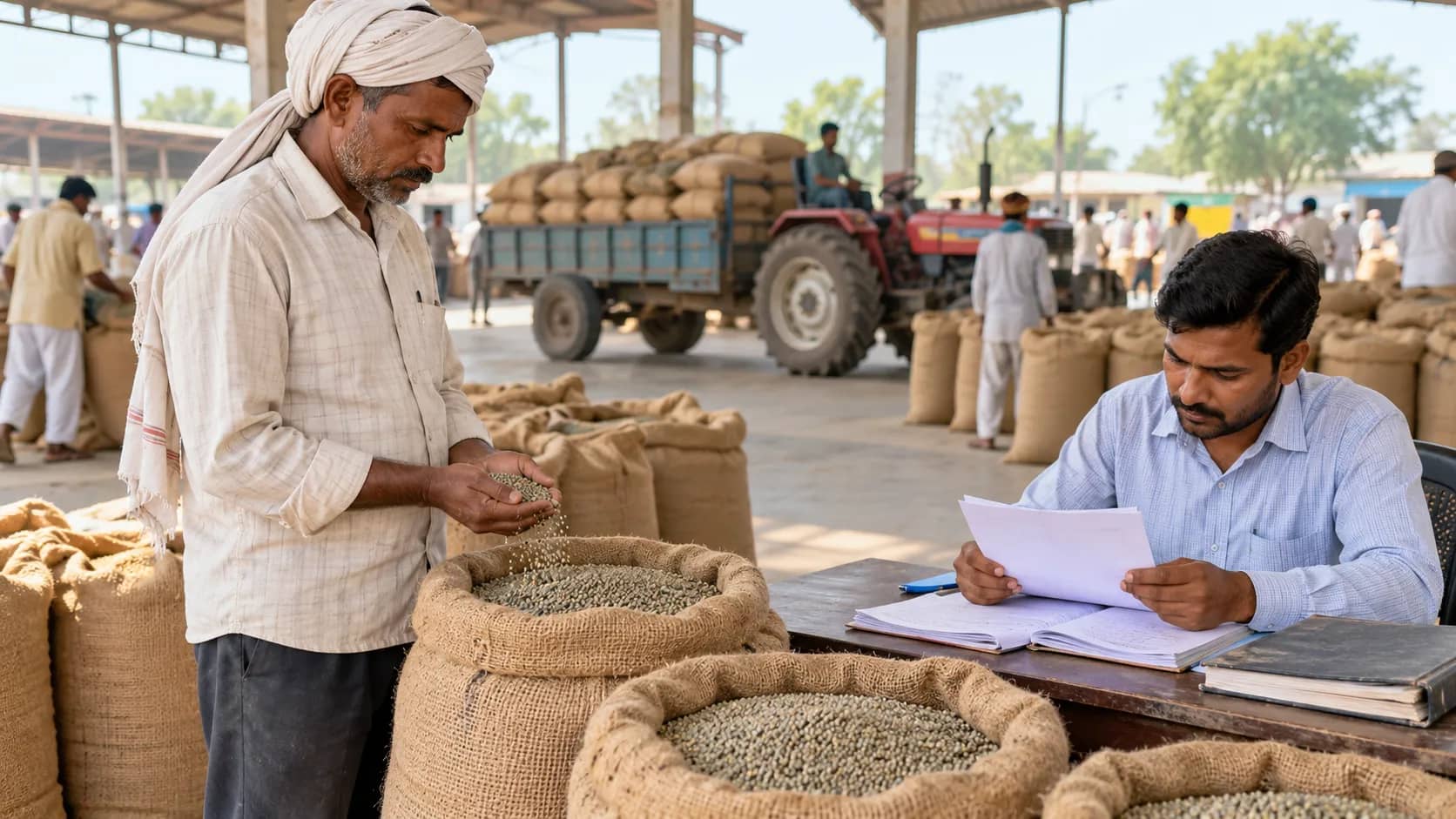
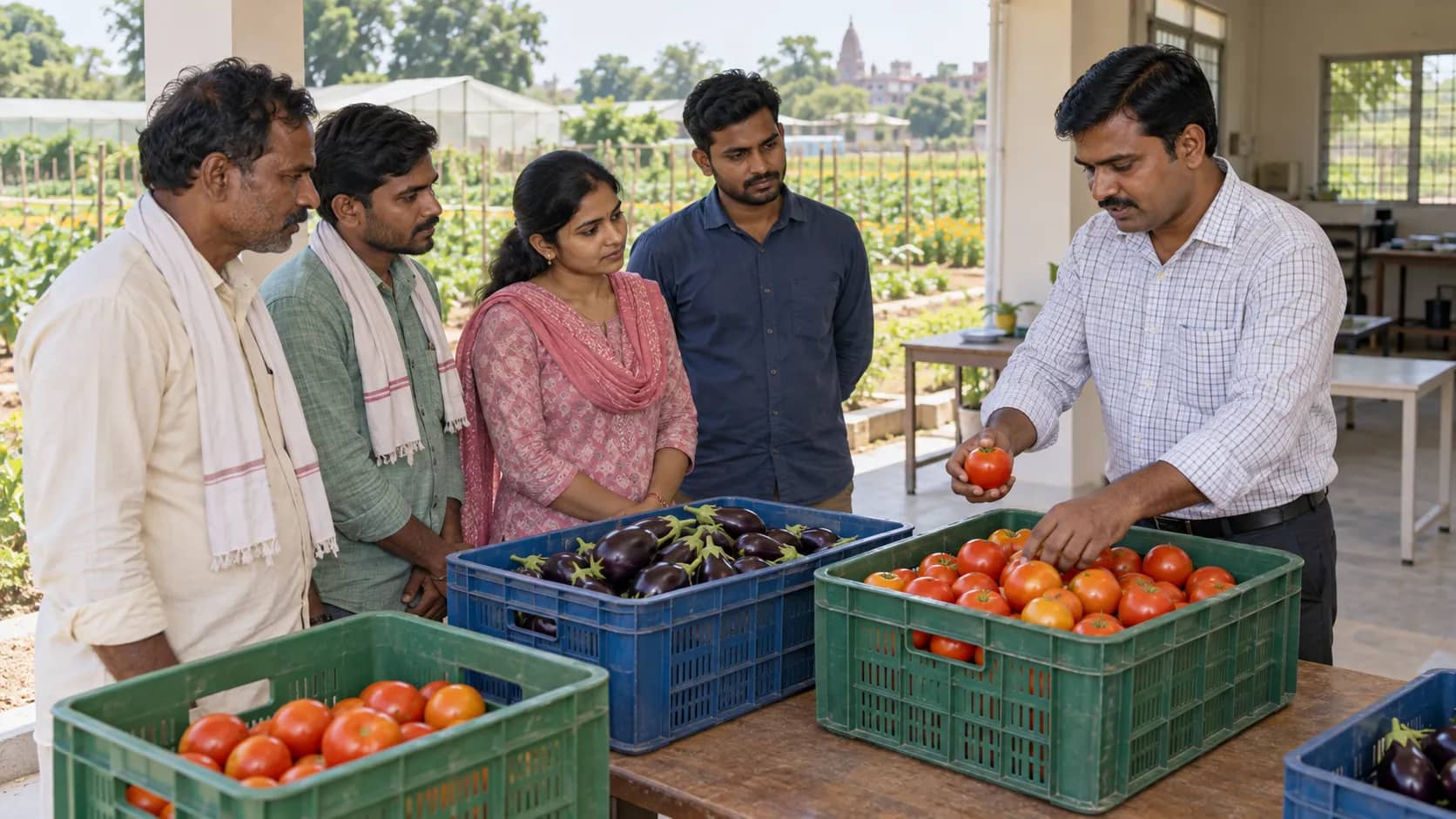
The post-harvest and value-addition programme runs from 2 to 6 November at the ATIC-ABI unit in Shahanshahpur. Farmers, entrepreneurs and students can apply. The annual dashboard lists 25 first-come seats. The current flyer gives a registration deadline of 30 October at 5 pm, although the dashboard still says 25 October. Applicants should confirm that discrepancy before paying.
The fee is Rs 6,000, covering stationery, logistics, tea or snacks and working lunch. Shared accommodation costs Rs 500 per person per day, on request and subject to availability. The dashboard says payment confirms registration and fees are non-refundable unless training dates change.
The pesticide-application course runs from 3 to 5 November at IIVR, Jakhini, with applications due by 25 October. Its 25 seats are for technical officials working in horticulture, vegetable production, protection or allied sciences. Eligible institutions include agricultural universities, ICAR institutes, Krishi Vigyan Kendras and other agricultural research organisations or relevant government bodies.
Teaching combines lectures, practical demonstrations and field visits. Subjects include safe handling and storage, equipment calibration, application methods, residue analysis and regulatory requirements. Laboratory work covers sample preparation and analytical techniques. The notice treats application practice and residue testing as related parts of the course.
The non-refundable fee is Rs 1,000 for ICAR participants and Rs 3,000 for others. Session tea and working lunch are provided; breakfast and dinner cost extra. Parent institutions must bear travel, boarding and lodging. Applications need competent-authority approval and must go by post and email. These dates overlap the post-harvest course.
December breeding course has an October deadline
The vegetable-breeding programme runs from 2 to 8 December, but applications close on 31 October. Selected candidates are to be informed by 2 November. The 25 places are for scientists, assistant professors, subject-matter specialists or equivalent and higher posts in relevant agricultural institutions, working in horticulture, vegetable genetics, breeding, production, protection or allied sciences.
The physical course covers stress screening, molecular breeding, speed breeding, genome editing and quality assessment. Lectures, practical work and field visits address resilience alongside nutritional, processing and post-harvest traits.
Fees are non-refundable: Rs 1,000 for ICAR institutes and Rs 5,000 for state or central agricultural universities and Krishi Vigyan Kendras. Sponsoring organisations bear travel and accommodation costs. Tea and working lunch are included; breakfast and dinner are paid separately. Shared guest-house accommodation is chargeable, without a published room rate in this brochure. The prescribed application requires institutional approval and submission by post and email.
For correspondence, IIVR’s official contact page lists Indian Institute of Vegetable Research, Post Bag No. 01, P.O. Jakhani (Shahanshapur), Varanasi, Uttar Pradesh, PIN 221305, India. Its office number is 0542-2635247. The location page places the campus about 20 km southwest of the Varanasi city centre, on the Varanasi-Mohansarai route connected through DLW-Chunar Road. Applicants sending original forms can use the institutional postal address, while travellers can consult the institute’s linked map to identify the campus.
Where farmers can seek help outside these courses
Readers who need advice on a current vegetable-growing problem can also use IIVR’s Agricultural Technology Information Centre. The institute describes it as a single-window service operating since 2005. Its work includes technical guidance on vegetable production and protection, alongside access to improved vegetable seed, publications and other institute-produced farm products.
The centre organises need-based sponsored training for farmers, officials and other stakeholders. Its published services also include technical guidance for visitors and one-day exposure visits for farmer groups sponsored by organisations. Extension experiments in Uttar Pradesh, Bihar and neighbouring areas are another part of its work to take vegetable technologies to growers.
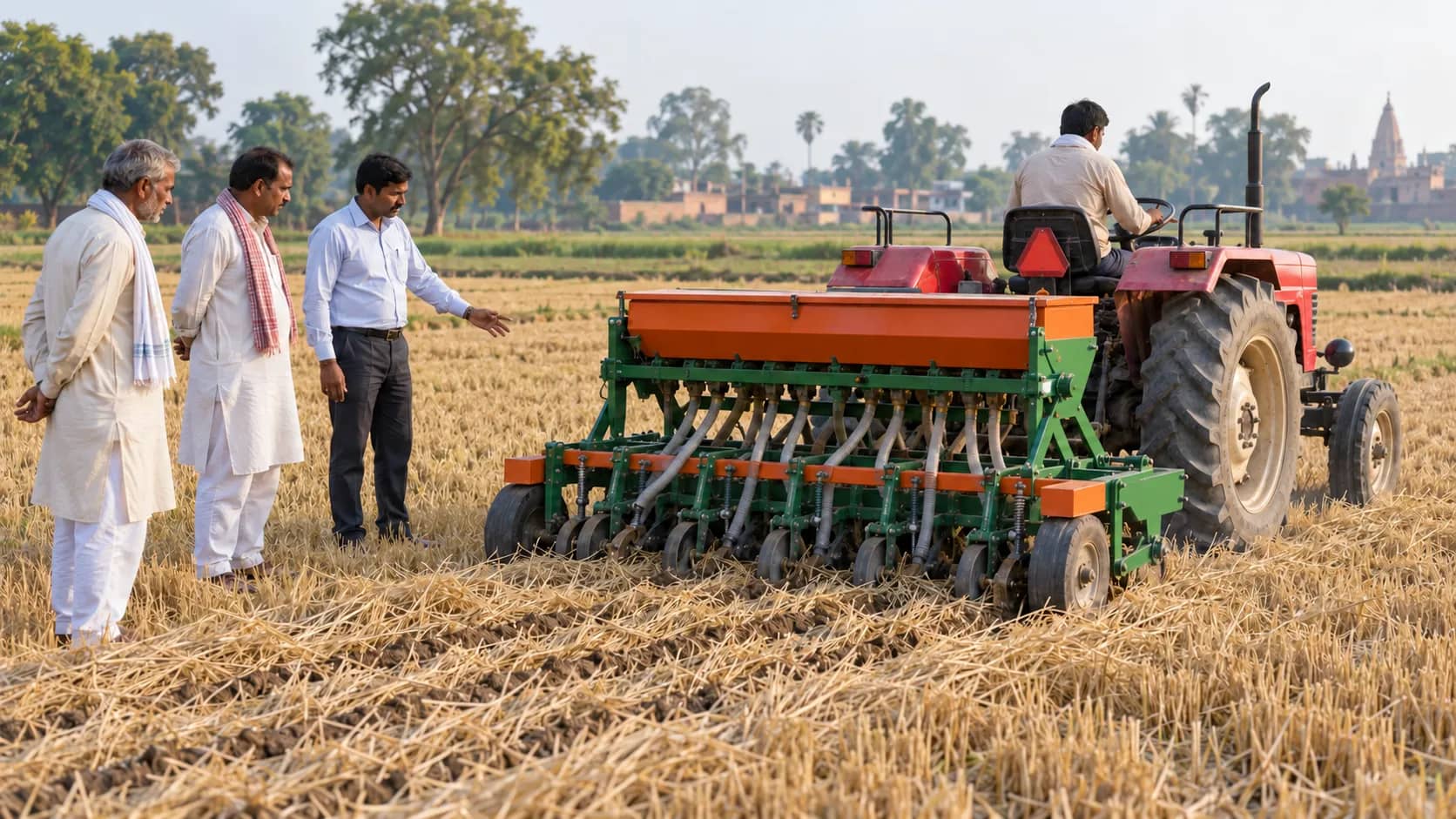
Dalimss News has previously covered vegetable-export discussions at IIVR, including the needs of farmer producer organisations. Its report on zero-till wheat training in Varanasi looks at a separate skill area for local growers. Those earlier reports provide background; their events are separate from these course applications.