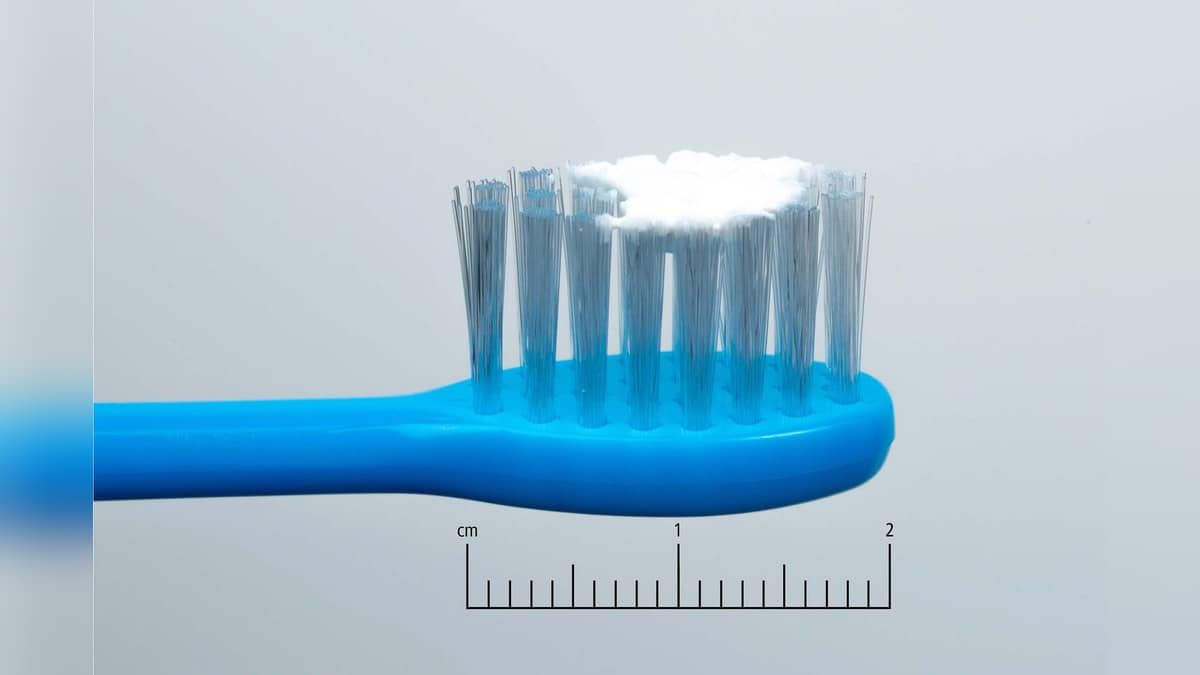
To brush teeth properly, the NHS advises brushing with fluoride toothpaste twice a day for about two minutes each time, including last thing before bed. Clean the inside, outside and chewing surfaces of every tooth. Afterwards, spit out excess toothpaste without immediately rinsing with water, because rinsing washes away the fluoride left on the teeth.
The routine is about coverage as well as time. Spending two minutes repeatedly brushing the same easily reached front teeth does not fulfil the instruction to clean every surface. The official guide asks readers to reach all the teeth, so it helps to have an order that lets you notice which parts of the mouth you have already covered.
| Question | NHS guidance |
|---|---|
| How often? | Twice daily |
| How long? | About two minutes each time |
| Which surfaces? | Inside, outside and chewing surfaces |
| What after brushing? | Spit out excess, do not rinse immediately |
How long should you brush your teeth?
The NHS teeth cleaning guide names two occasions: last thing before going to bed and one other time. It does not describe the evening brush as optional if a person brushed well in the morning. A practical household routine should therefore make room for both sessions.
About two minutes is the stated duration, but the purpose is thorough cleaning. Think through the inner surfaces, outer surfaces and biting surfaces while you brush. You might mentally move around the mouth in a consistent order, checking the upper and lower teeth, rather than guessing at the end whether you have missed a whole area.
The guide explains that plaque is a film of bacteria on teeth and that brushing helps stop it building up. It connects plaque with tooth decay and gum disease. This is a reason for maintaining a regular cleaning routine, not a promise that a particular brushing session can reverse an established dental problem.
Should you rinse after brushing your teeth?
The NHS answer is to spit out excess toothpaste and avoid rinsing immediately with water. Its explanation is that water dilutes and washes away the concentrated fluoride remaining after brushing. For readers used to finishing with several mouthfuls of water, this is one of the clearest differences between a familiar habit and the published guidance.
The same page says not to use mouthwash straight after brushing, even when it contains fluoride, because that too washes away the concentrated fluoride left by toothpaste. It suggests using a different time if mouthwash is part of the routine. This article does not recommend a brand or ask readers to add mouthwash to their routine.
Do not interpret the no immediate rinse instruction as permission to swallow toothpaste. The guidance specifically says to spit out the excess. Its children's advice also tells carers to prevent children from eating or licking toothpaste from the tube. Adults helping a young child should keep those instructions distinct.
How should parents help children brush?
The general NHS guide says children need help or supervision until they are at least seven. Its separate children's teeth page says older children can brush themselves, while watching them remains useful to check that they brush properly and for about two minutes. Independence should not be confused with certainty that every surface has been cleaned.
The children's page suggests guiding the child's hand, using a mirror so the child can see where the brush is going, and using an egg timer to make the two minutes easier to follow. It describes small circular movements and remembering behind the teeth. These are practical ways to teach the routine without turning brushing into a hurried instruction shouted from another room.
There is also a simple safety warning: do not let children run around with a toothbrush in their mouth. Keep the brushing activity in one place. This guide leaves age specific toothpaste quantities and any individual dental needs to the child's dentist and the official detailed guidance rather than treating an adult routine as identical for every child.
Does brushing replace cleaning between teeth?
The NHS guide discusses floss and interdental brushes separately from brushing. It says flossing is more than removing visible food and advises asking a dentist or hygienist about the best way to clean between teeth. Avoid copying a technique from a short summary if you are unsure how to use it safely.
The NHS bad breath page advises seeing a dentist for painful, bleeding or swollen gums, toothache or loose adult teeth. Persistent concerns need assessment rather than harder brushing or a promise that a hygiene routine will cure them. Brush gently; do not deliberately brush hard enough to make the gums bleed.
If you have a medical condition, consult a qualified doctor and discuss your dental routine with a qualified dentist. Ask for individual instructions after dental procedures or when you have braces or another specific dental issue. For broader everyday habits, see our explainers on food labels and sugar, sleep duration and walking and physical activity.