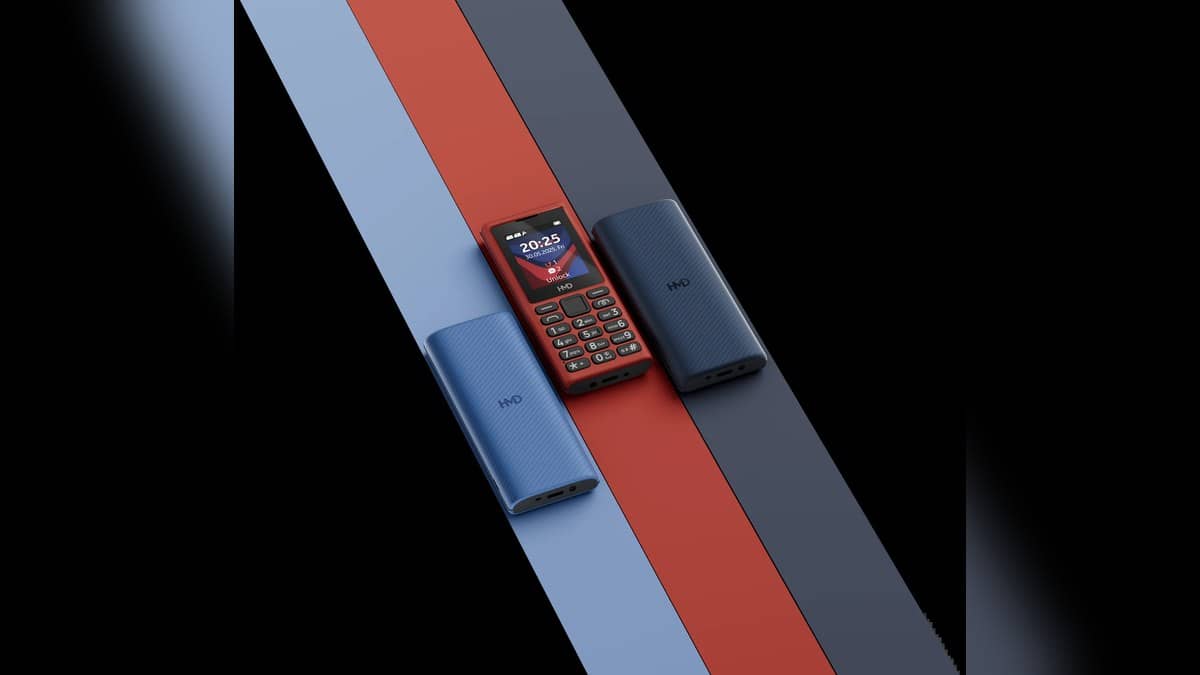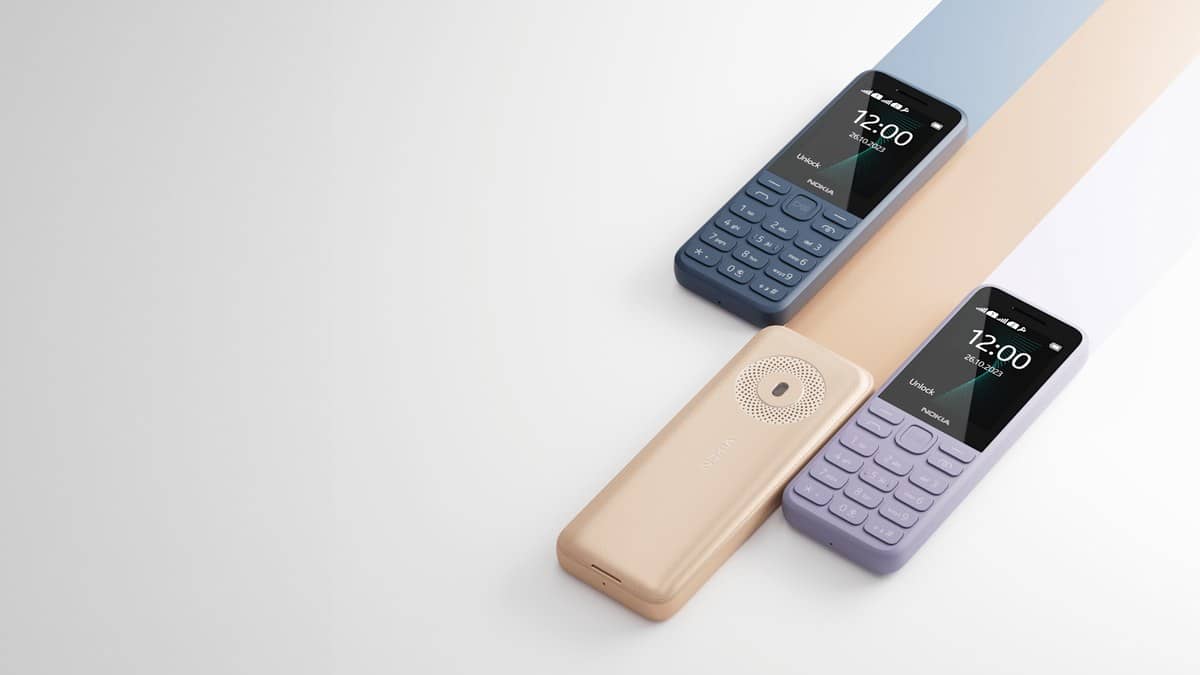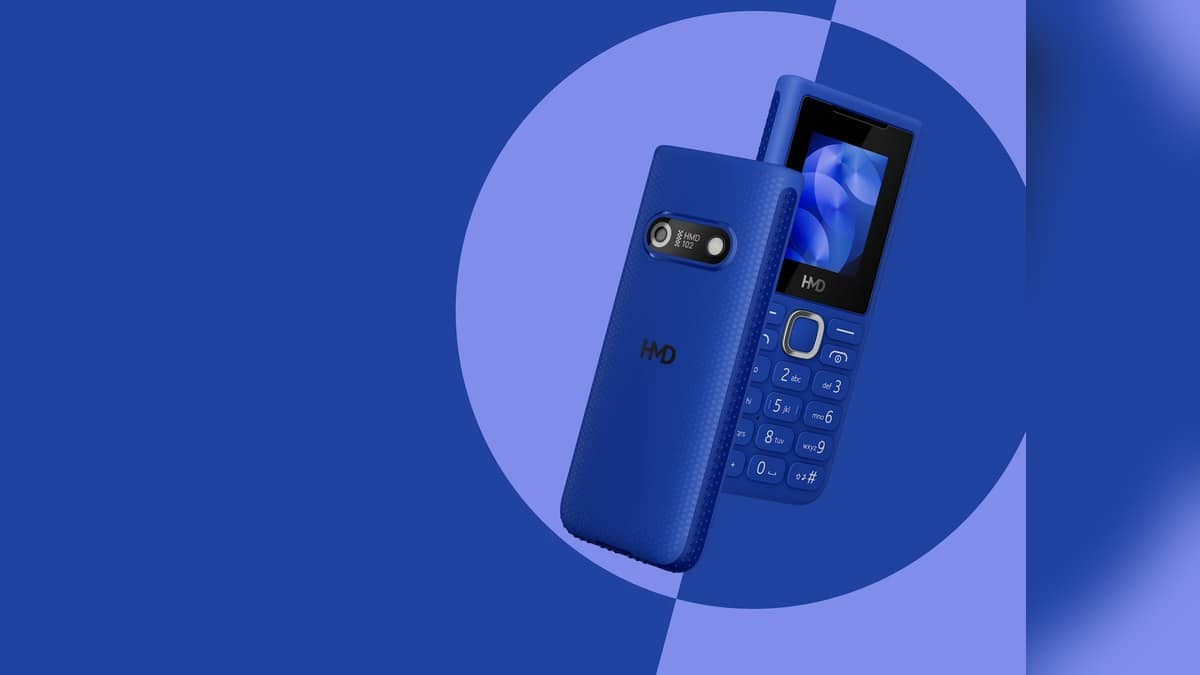
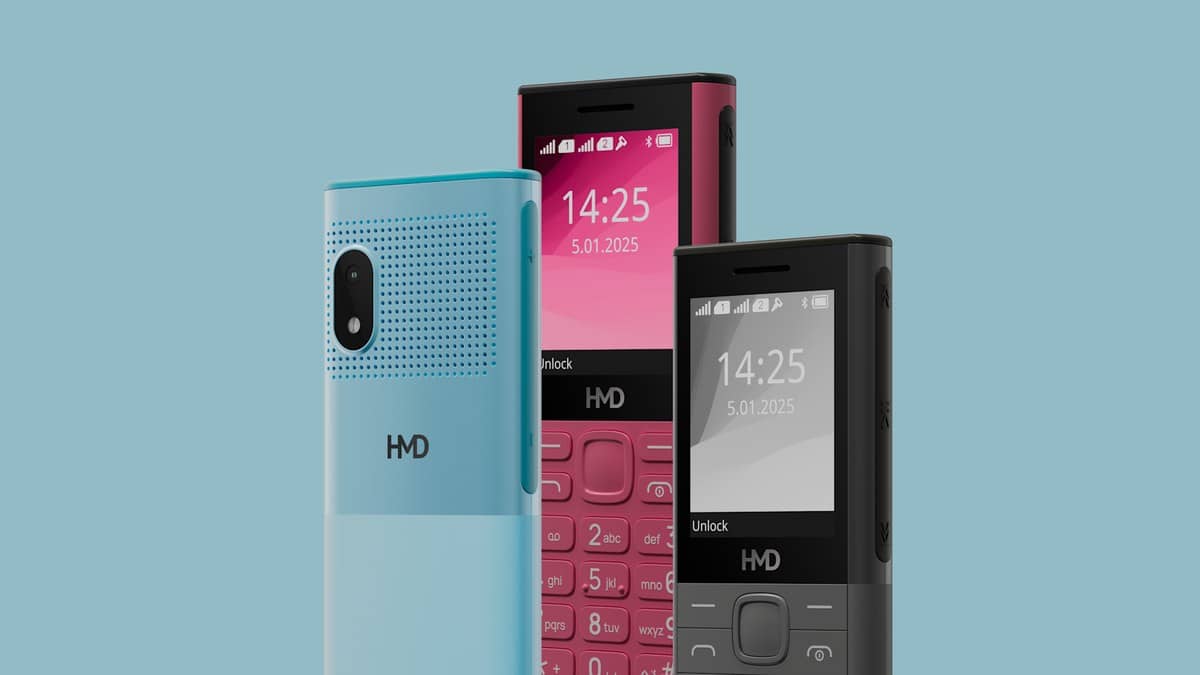
NEW DELHI: HMD 130 Music is listed at Rs 2,049 for the selected Blue version on HMD's India store, while HMD 150 Music costs Rs 2,399 in the selected Purple finish. Both listings specify 8MB RAM and 8MB storage. The 150 Music adds a rear camera to a closely matched music-phone specification.
| Model and selected finish | RAM + storage | Listed price | Displayed MRP | Rear imaging |
|---|---|---|---|---|
| HMD 130 Music, Blue | 8MB + 8MB | Rs 2,049 | Rs 2,399 | Dual LED torch; no rear camera specified |
| HMD 150 Music, Purple | 8MB + 8MB | Rs 2,399 | Rs 2,899 | QVGA camera, LED flash |
Price as of 1 November 2026, 00:19 IST. These are the selected official listings, without card, exchange or recharge adjustments. HMD also names Dark Grey and Red for the 130 Music, and Dark Grey and Light Blue for the 150 Music. Separate prices for those finishes were not verified.
The camera is the clearest hardware distinction
The 150 Music's technical sheet lists a QVGA rear camera and LED flash. The 130 Music sheet instead describes its rear lighting as a dual LED torch. That is the most direct functional distinction visible in the two specifications, rather than an assumption that the higher model number means a larger screen or more memory.
In practical terms, a camera changes what can be recorded on the phone. A torch helps illuminate something in front of the user; it does not create an image file. Neither function establishes photographic quality. HMD's modest camera specification should be read on its own terms, without importing expectations from a budget smartphone camera.
Much of the music hardware is shared
Both sheets list a 2.4-inch QVGA screen, a large 2W speaker, music playback and volume buttons, Bluetooth 5.0 and a headphone socket. Each lists a removable 2500mAh battery and USB Type-C charging. The published specifications therefore do not show a larger battery, higher-resolution display or extra RAM on the 150 Music.
That makes this an unusually focused comparison. For someone explaining the phones to a family member, the useful demonstration is the extra camera task alongside the familiar music controls. Repeating the common specifications can obscure the small number of features that actually distinguish the devices in daily operation.
The speaker rating also needs a boundary. A power figure does not establish how clear speech sounds in a noisy room, how much a phone distorts at full volume or which handset is louder. Those are listening-test questions. This comparison uses the published hardware descriptions and does not claim hands-on audio results.
Local music and payments have separate requirements
Both devices support microSD cards up to 32GB, and HMD says a card is required for the MP3 feature and is sold separately. Our Nokia 150 card explainer covers the storage question on another model. Neither handset's 8MB internal-storage label should be confused with the space available on an added card.
HMD's product pages also say both phones come with PhonePe UPI. The 150 Music page specifically mentions Scan & Pay. That wording is relevant alongside its camera, but it is not evidence that every payment workflow is identical on both models. This report does not infer unsupported scanning features for the camera-less 130 Music.
A family preparing stored music and digital payments is dealing with different setup jobs. The former concerns files on removable media; the latter concerns the payment service. Seeing both features on a product page does not establish that configuring one automatically prepares the other, or that a payment account is already ready for use.
Shared limits still matter
The technical sheets list 2G networks for both phones. They also claim up to 30 days of standby, which does not measure continuous music playback. Our HMD 150 Music endurance explainer examines that distinction. The camera difference does not imply a different network generation or a verified playback-time advantage.
Readers considering a different form factor can see our Nokia 2660 Flip SOS guide. Official sources for this comparison: HMD 130 Music, its specifications, HMD 150 Music and its specifications.