
Federal-Mogul Goetze (India) has approved a Rs 335.1 crore capacity expansion across its plants in Punjab, Karnataka and Rajasthan. The board cleared the proposal on 9 October 2026, with additions planned within 18 months using internal accruals.
The company's exchange filing reports existing annualised capacity utilisation at 100%. It cites demand growth and an improved Indian manufacturing footprint as the reasons. This is approved spending and proposed capacity, rather than a completed expansion.
Rings, pistons and a new valve line
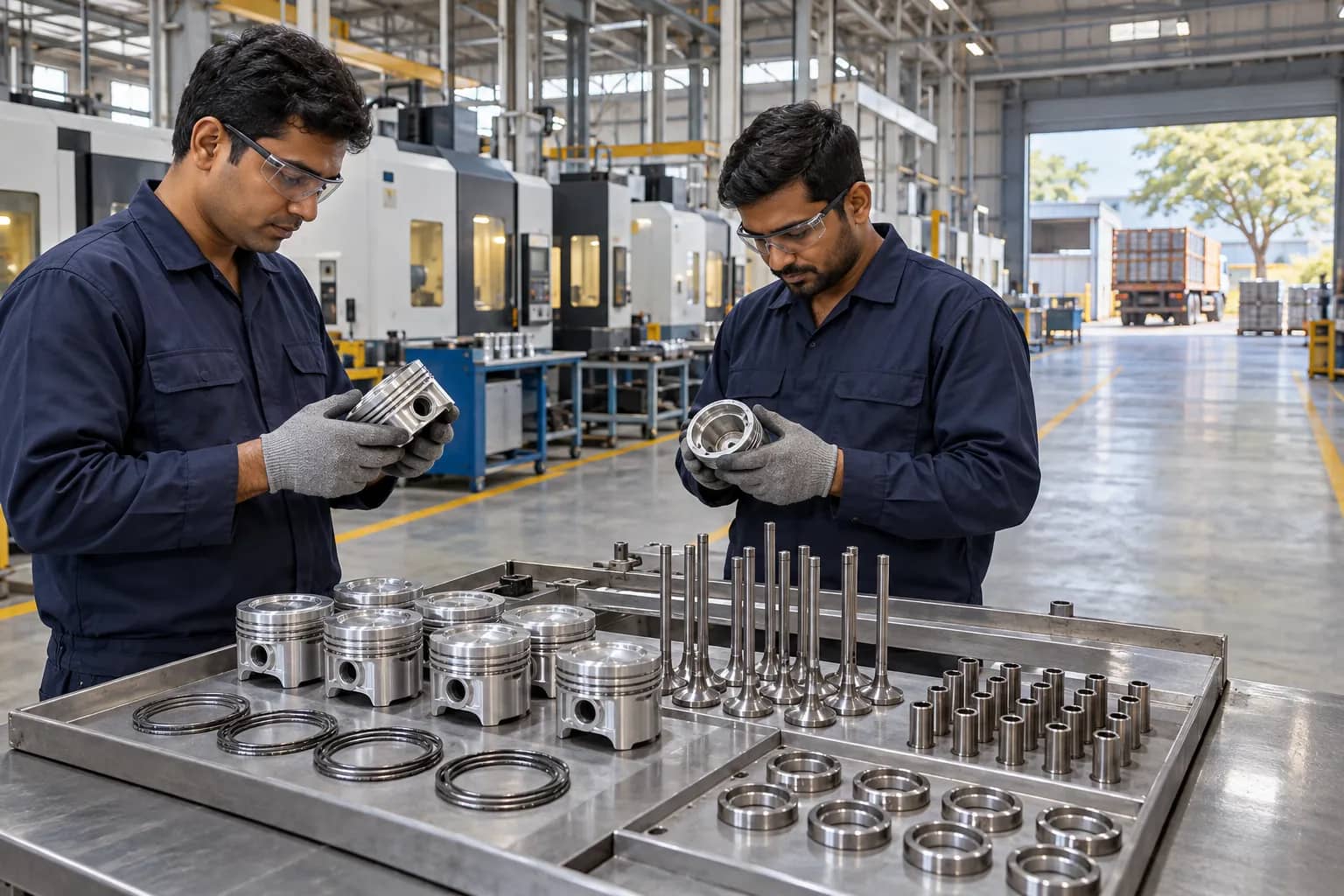
Proposed additions comprise 8.15 million cast-iron rings, 5.04 million steel ring sets in the PVD category and 3.96 million pistons. Their existing annualised capacities are 54 million rings, 19.2 million ring sets and 21 million pistons respectively.
A new engine-valve line will add capacity of 3.24 million units. Valve guides and valve seats each receive a proposed addition of 6 million, against existing annualised capacities of 124.92 million guides and 99.6 million seats. Rings and ring sets are distinct units and should not be combined into one output total.
The filing does not allocate expenditure by plant or give separate commissioning dates. Its utilisation figure is not broken down by product.
The engine-valve plan has earlier groundwork
The company's 2025-26 annual report had already described plans to expand its product range by establishing valve manufacturing in India. It said letters of intent had been secured from some existing customers. Those statements provide background to the new line, although they do not identify the customers or establish a delivery schedule.
The report describes the wider Tenneco group's valve technology as covering different metal constructions and hollow designs for varying operating conditions. These are group capabilities, not a confirmed specification list for every valve that the new Indian facility will make.
Federal-Mogul's powertrain business extends beyond passenger cars. The annual report discusses light vehicles, commercial trucks and off-highway equipment, alongside railway, power-generation and industrial applications. It also covers petrol, diesel, alternative-fuel and hybrid uses. That range matters when reading the expansion figures: component capacity cannot be treated as an equivalent number of additional cars.
The annual report says the company adapts products and technology developed by its parent to Indian operating requirements. It describes piston designs intended for higher combustion pressures and temperatures, while linking ring development to wear resistance and oil control.
How the three Indian locations fit together
The company's facilities directory places its Punjab operation at Bahadurgarh in Patiala and its Karnataka plant at Yelahanka in Bengaluru. Both list pistons and piston rings among their products. Patiala's listed activities also include cylinder liners and light-alloy castings. Bhiwadi, in Rajasthan, is the company's powder-metal components location.
The Bhiwadi plant description explains the manufacturing work behind items such as valve guides and seat inserts. Metal powders are blended, compacted into shapes and then processed in controlled furnaces. Grinding, machining and inspection follow. These stages distinguish the plant's operations from a vehicle assembly line that combines finished components into a car.
For valve guides, the company describes feeding systems intended to keep density consistent along the component's length. For seat inserts, it describes presses designed to control density and form an outer chamfer during pressing. The account shows why raising component output involves dedicated equipment and process control for individual parts.
The company's piston catalogue likewise covers several engine types, including petrol, diesel and CNG. It lists applications from two-wheelers and SUVs to tractors and locomotive diesel engines. Its ring catalogue describes different materials and surface treatments, including cast-iron and steel options. Neither catalogue establishes which vehicle models will receive parts from the expansion.
The ring catalogue lists heat-treated cast-iron grades and tempered steel, with running-surface options including molybdenum and chrome-ceramic coatings. The piston page separately lists thin-walled car pistons and cooling-coil designs. These catalogues describe the established product range, rather than a launch list for the expansion.
Dalimss News has also reported on Maruti Suzuki's Manesar factory hydrogen pilot and a Hyderabad electric-scooter production start. Together, these reports track different kinds of Indian automotive manufacturing activity, from factory energy systems to component making and final vehicle production.