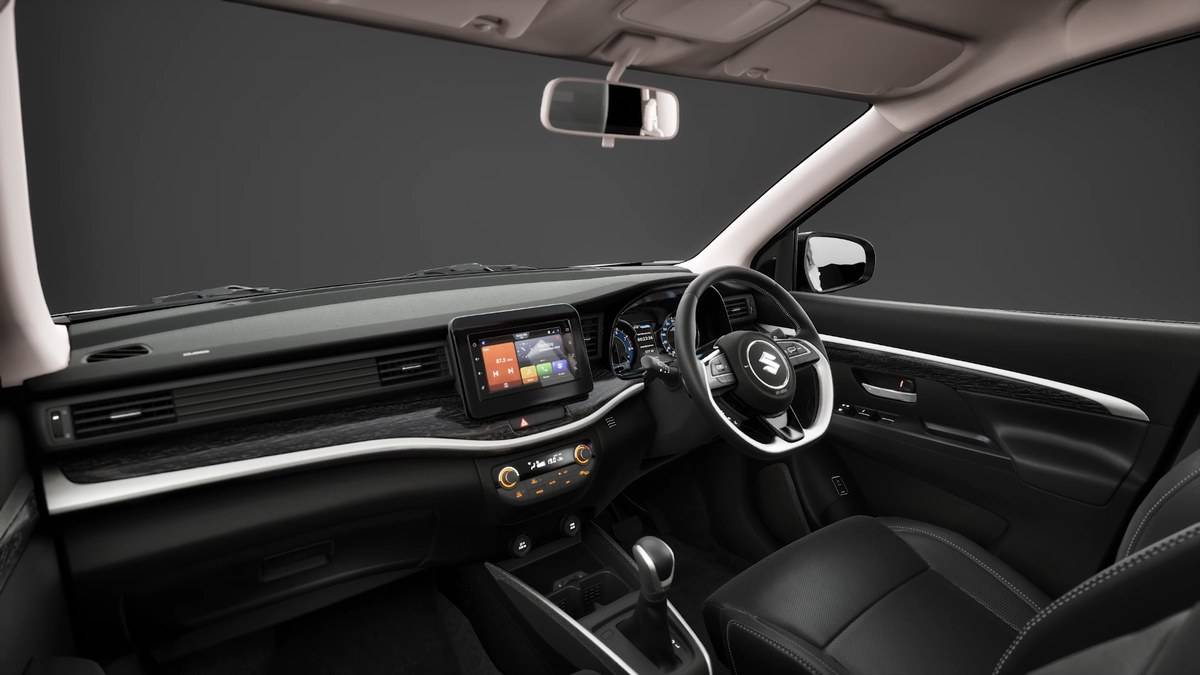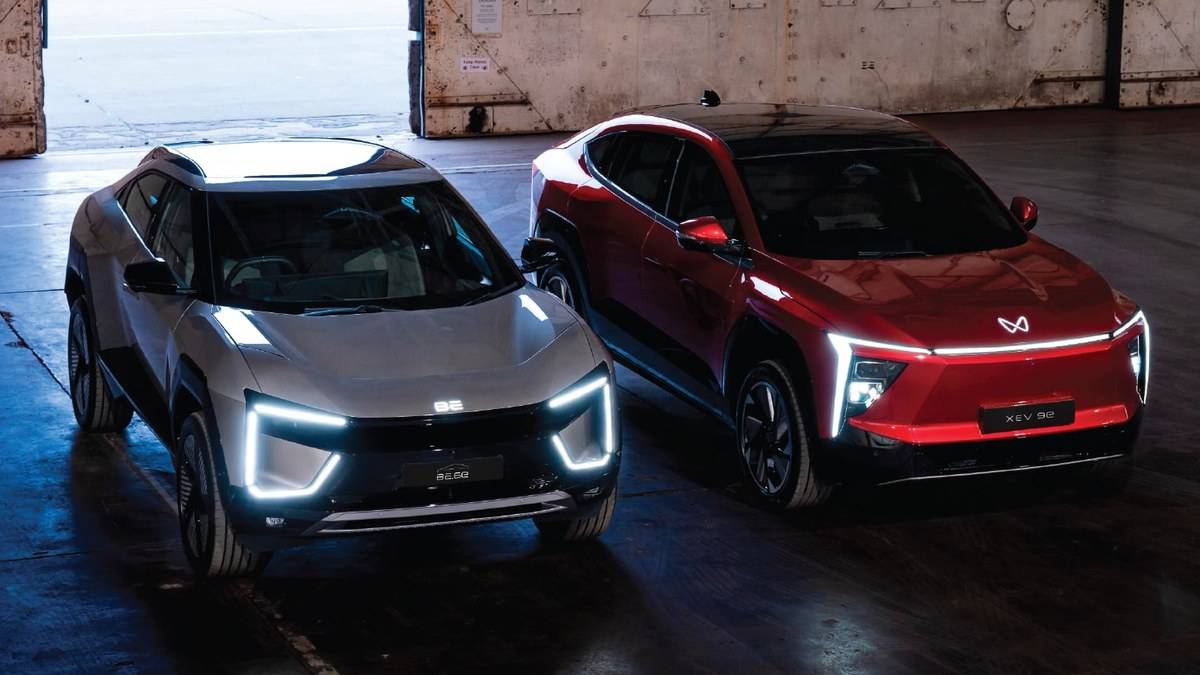
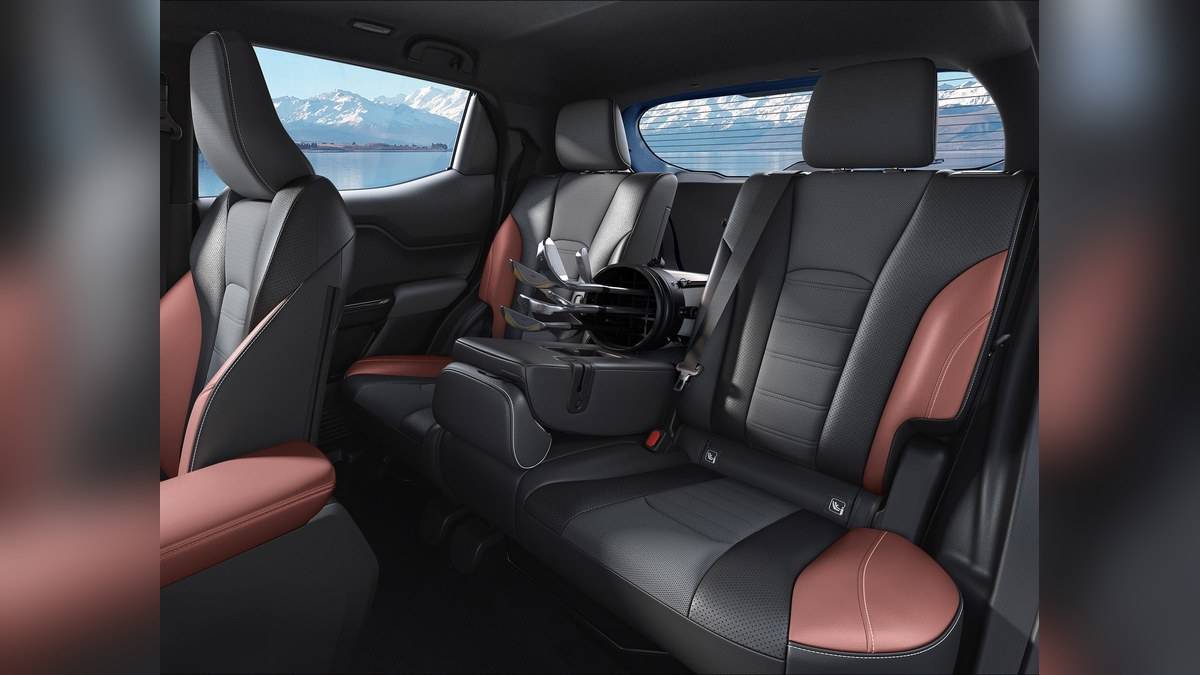
NEW DELHI: The Maruti Suzuki e Vitara has a published 40:20:40 rear-seat split, with sliding and reclining rear seats that NEXA says recline by up to 20 degrees. These are separate adjustments, and understanding what each does is more useful for packing a family journey than treating them as a single cabin-space claim.
| Cabin detail | What NEXA publishes |
|---|---|
| Rear-seat split | 40:20:40 |
| Rear-seat adjustment | Sliding and reclining |
| Rear recline claim | Up to 20 degrees |
| Seating capacity | 5 |
| Front-seat ventilation | Listed on the model overview |
The comfort section and seating FAQ on NEXA's official overview provide these details. The brand's price page also warns that illustrated cars may be top variants and that shown features need not be standard equipment. Owners should match the advertised arrangement to their particular car before assuming every comfort feature applies.
Splitting, sliding and reclining answer different questions
The split description concerns how the rear seat is divided. Sliding concerns its position, and reclining concerns the backrest angle. A passenger seeking a more relaxed seating position and a family trying to accommodate awkward luggage may therefore be using different parts of the adjustment system, even though both are discussing rear-seat flexibility.
The practical consequence is that a luggage test should use the seating position the passengers will actually occupy. A demonstration with the rear seat pushed forward cannot establish how the same bags fit when the occupants have set the cabin for their journey. Equally, a comfortable backrest position does not itself establish the available load space behind it.
For the e Vitara, this makes the rear bench part of the packing plan. Decide which seating places will be occupied, set the front and rear seats accordingly, then try the intended luggage. Reversing that order can leave a bag arrangement that works only when someone gives up the seating position they expected to use.
What the narrow middle section changes
A 40:20:40 layout divides the rear seat differently from a bench with a single uninterrupted backrest. The smaller centre section is the distinctive part of the published arrangement. During a demonstration, ask to see how that section operates independently and how the surrounding seating positions remain usable in the configuration being considered.
A long, narrow item is a useful object to bring to such a demonstration, provided it can be handled safely. The point is to check the actual opening and the way the item can be secured. The split ratio is not a measurement of that opening and cannot establish that a particular bag, case or piece of equipment will pass through it.
Nor does the split ratio state a load weight. A family should not turn the rear-seat description into an assumed carrying allowance. The vehicle's applicable instructions remain the place to check loading and securing requirements; the overview gives a cabin feature description rather than a complete loading procedure.
Use the recline figure with care
NEXA's wording is up to 20 degrees. That is a limit in the published feature description, not a promise that every intermediate position will suit every passenger. When checking comfort, keep the front seat in its normal driving position and examine the rear-seat setting in that real arrangement.
A stationary comfort demonstration is also the right moment to check the controls and how the seat is returned to the required position. Ask for the applicable owner instructions before operating an unfamiliar adjustment. The public comfort page does not give a complete control sequence, so it would be misleading to invent one from the marketing photographs.
A cabin test can be separate from the EV questions
For an Indian family using the e Vitara for commuting and occasional luggage-heavy journeys, the useful test is a repeatable configuration. Photograph the parked car's agreed seat positions and packing arrangement for the household's own reference. That makes it easier to reproduce the setup without repeatedly trading passenger comfort against space at the last minute.
The front ventilation shown on the overview addresses a different comfort need. Check its availability and operation separately from the rear-seat adjustments. A demonstration of the front-seat feature should not be mistaken for confirmation of ventilation in the rear, which is not what the overview's front-seat description says.
Our e Vitara price report covers the financial specification, while the DC charging explainer and battery warranty guide address separate ownership questions. None of those figures measures the usable opening created by the rear seat.
Official sources: NEXA e Vitara comfort section and seating FAQ and NEXA's illustration and equipment caveat.