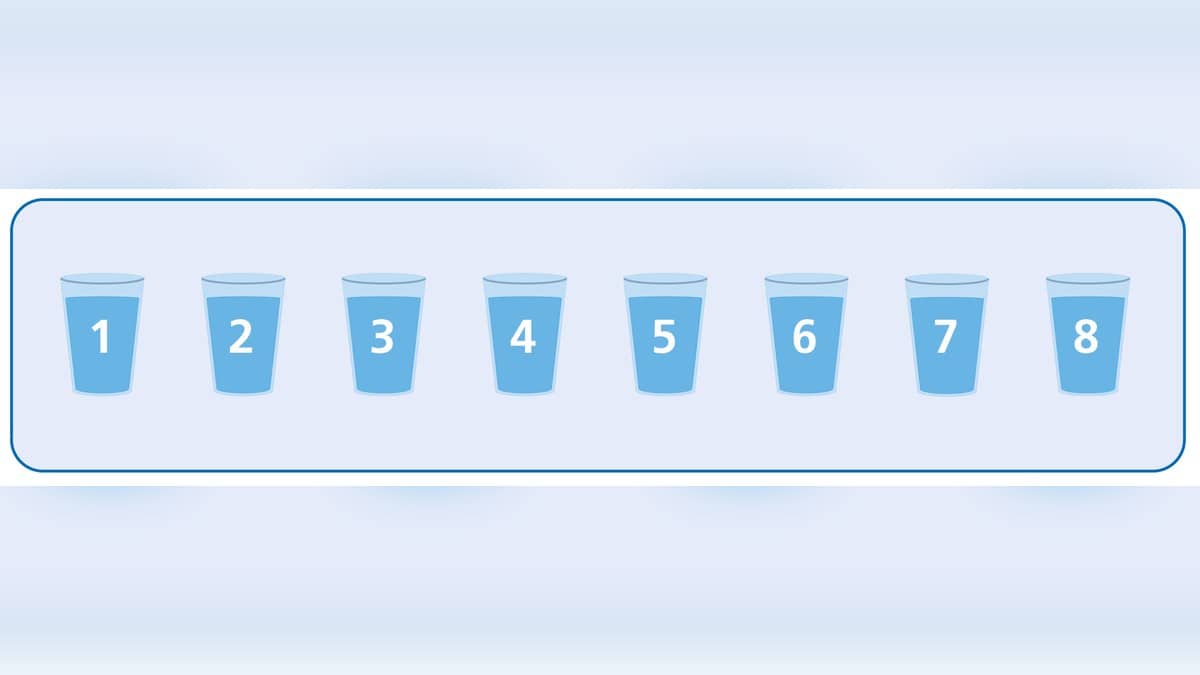
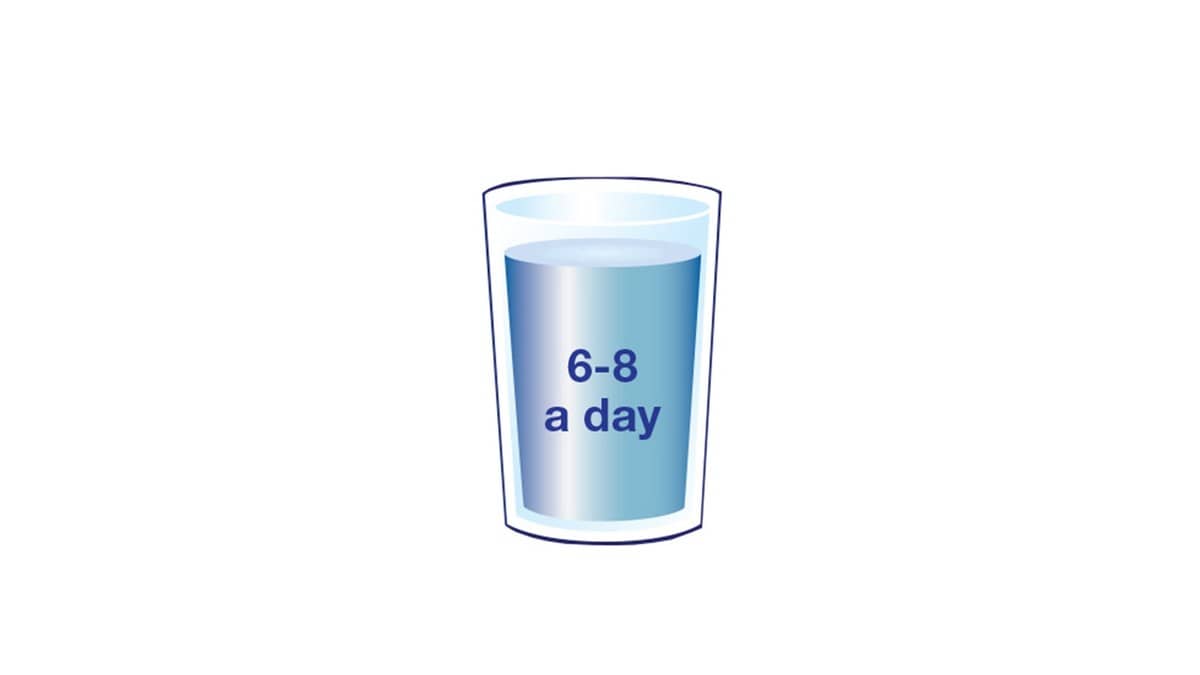
There is no single water quantity that fits every adult in every situation. The NHS uses 6 to 8 cups or glasses of fluid a day as a general guide, with needs changing in hot conditions, prolonged activity, pregnancy, breastfeeding or illness. That is a guide to drinks overall, rather than an instruction to drink that many glasses of plain water in addition to everything else.
| Common question | What the guidance says |
|---|---|
| Does only water count? | No. Several other drinks count towards fluid intake. |
| Is the number a personal prescription? | No. It is general guidance and needs vary. |
| Does food provide fluid? | Yes, food contributes too. |
| What about special medical needs? | Get individual advice from a qualified doctor. |
How many litres of water should I drink?
The NHS water and drinks page gives its everyday guide in cups or glasses. Household vessels differ in size, so converting that phrase into an exact litre target without specifying the vessel creates false precision. A large steel tumbler and a small teacup are different measures, even if both are counted as one drink.
If you want to understand your own routine, first note the size of the glass or bottle you use and which drinks you have during an ordinary day. That is a way to describe the pattern, not to calculate a medical requirement. Keep drinks with meals and between activities in mind instead of counting only water taken from a particular bottle.
The same NHS page identifies circumstances in which people may need more fluid, including heat and long periods of physical activity. For Indian readers, that makes context essential: a day spent working in a hot environment should not automatically be treated like a quiet indoor day. A generic internet calculator cannot establish your personal medical needs.
Do tea, coffee and milk count as fluids?
The NHS includes water, lower-fat milk and lower-sugar drinks, including tea and coffee, in daily intake. It recommends drinking regularly through the day. Counting tea as fluid does not mean adding sugar makes no nutritional difference, or that unlimited caffeine is appropriate. The page separately advises moderation with caffeine because people differ in sensitivity.
The Eatwell Guide also counts drinks other than water and places them within a wider balanced diet. For fruit juice and smoothies, it gives a combined maximum of 150 ml a day because of their free sugars. That figure is a limit for those drinks, not a fluid target and not a reason to replace water with juice.
Food supplies some fluid as well. Think about the difference between recording drinks and describing everything you ate and drank: the two records answer different questions. You do not need to turn every meal into a hydration calculation. The useful practical question is whether fluid is available regularly and whether a routine repeatedly leaves long periods without a drink.
What does urine colour tell you about hydration?
The NHS describes a clear pale yellow urine colour as a general everyday indicator. Its dehydration guidance lists thirst, dark yellow urine, urinating less often, dry mouth and dizziness among possible warning signs. These are reasons to pay attention, rather than a checklist that can diagnose the cause of someone's symptoms.
That page also says babies, children and older adults face greater dehydration risk. This adult explainer should not become a fluid schedule for a baby or an unwell child. If someone depends on a caregiver for drinks, access is an important part of the conversation: can the person reach a drink and ask for help when needed?
When should you ask a doctor about fluid intake?
If you have a medical condition, consult a qualified doctor about your fluid needs, especially if you have already received instructions about how much to drink. A general article cannot replace those instructions. Persistent dizziness on standing, unusual drowsiness or a marked fall in urination warrant prompt medical attention; confusion or difficulty breathing needs urgent local medical help.
For a routine review, write down the situations when you forget to drink, the vessels you use and whether your needs change with activity or heat. Take questions about recurring symptoms to a clinician instead of forcing yourself towards an arbitrary number. This is guidance about understanding ordinary fluid intake, with no treatment plan or promised health outcome.
Related reading includes our Indian food label guide, vegetarian fibre guide, and walking and weekly activity explainer. Each addresses a different part of an everyday health routine.
Official guidance checked on 01 November 2026, 22:44 IST.