Dengue symptoms can include a high fever, headache, pain behind the eyes, muscle and joint pain, nausea, vomiting and a rash. WHO warns that signs of severe dengue often appear after the fever has gone away. Severe abdominal pain, persistent vomiting, rapid breathing or bleeding need immediate medical attention. A falling temperature alone should not be used to conclude that the illness is over.
The WHO dengue factsheet, dated 21 August 2025, explains that many infections cause mild symptoms or none at all, while some become severe. This guide describes that official warning sign information. It cannot confirm dengue from a symptom list, distinguish it from another illness in a particular person or replace an examination by a qualified clinician.
| Question | WHO explanation |
|---|---|
| When can symptoms start? | Usually 4-10 days after infection |
| How long can symptoms last? | Usually 2-7 days |
| Can risk remain after fever falls? | Yes, severe symptoms often appear after fever goes away |
| What if severe symptoms appear? | Seek care immediately |
What are the common dengue symptoms in adults?
WHO's symptom list includes high fever, severe headache, pain behind the eyes, muscle and joint pains, nausea, vomiting, swollen glands and rash. These features describe what can happen; they are not a rule requiring every patient to show every symptom. WHO's broader dengue overview also notes that the common symptoms can resemble flu.
The timing is similarly a guide, not a test. WHO says symptoms, when they occur, usually begin 4-10 days after infection and last 2-7 days. A person should not wait for a particular day or a full set of symptoms before seeking professional advice about an illness. The decision to investigate a fever belongs with a clinician who can consider the person's circumstances.
WHO says most people recover in one to two weeks, and some can experience fatigue for several weeks afterwards. Those general descriptions do not set a safe waiting period for someone becoming more unwell. The warning signs deserve separate attention because severe illness can develop around the time a person might expect improvement.
Which warning signs can appear after the fever goes down?
WHO lists severe abdominal pain, persistent vomiting, rapid breathing, bleeding gums or nose, blood in vomit or stool, marked thirst, pale and cold skin, weakness, fatigue and restlessness among symptoms of severe dengue. Its advice is explicit: people with severe symptoms should seek care immediately. Do not delay that step while searching for home remedies or waiting for an online answer.
The sequence is the key point for families watching a fever. Temperature is only one observation, and its decline does not cancel out new abdominal pain, repeated vomiting, bleeding or breathing difficulty. WHO's warning about symptoms after fever resolves is why the person's overall condition matters. It is not a suggestion that every fever that settles will be followed by severe dengue.
A previous dengue infection is another point worth telling a clinician. WHO states that people infected for a second time are at greater risk of severe dengue. Its overview explains that infection with one dengue virus type does not provide complete lasting protection against the other types. A past episode therefore should not be treated as a reason to dismiss a new illness.
Can symptoms or a platelet number confirm dengue?
The WHO factsheet describes laboratory testing as important to dengue diagnosis and management, with different methods and testing strategies depending on laboratory capabilities and the stage of illness. It does not present its symptom list as a home diagnostic test. This article does not offer a platelet cutoff for deciding whether a person has dengue or whether urgent care can wait.
If you have an existing medical condition, consult a qualified doctor about suspected dengue and how that condition affects your care. For anyone with severe warning signs, the immediate action is to seek medical attention. General reading, including our sleep guidance explainer, should not be used to reinterpret worsening illness as a routine recovery issue.
How does WHO say dengue spreads?
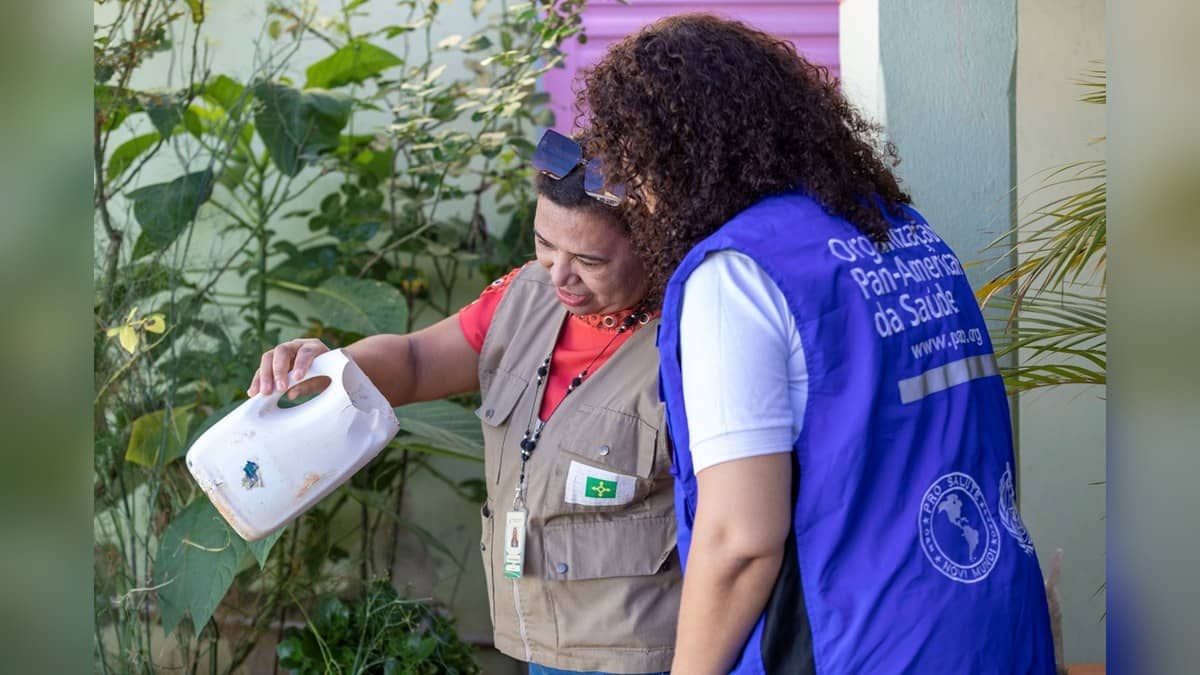
Dengue is a viral infection spread mainly by infected Aedes mosquitoes. WHO says the mosquitoes that transmit it are active during the day, so prevention is not only a night time concern. Its guidance includes clothing that covers the body, window screens and mosquito nets when sleeping during the day. These are general exposure prevention measures, not treatment for someone who is already ill.
WHO also advises covering, emptying and cleaning domestic water storage containers weekly, disposing of waste properly and removing objects that can hold water. These measures address mosquito breeding sites around homes. Our other health explainers cover what a BMI number can tell you and how to interpret food labels. Those guides address separate public health questions; they should not be used to decide the cause of an individual fever.