Intro
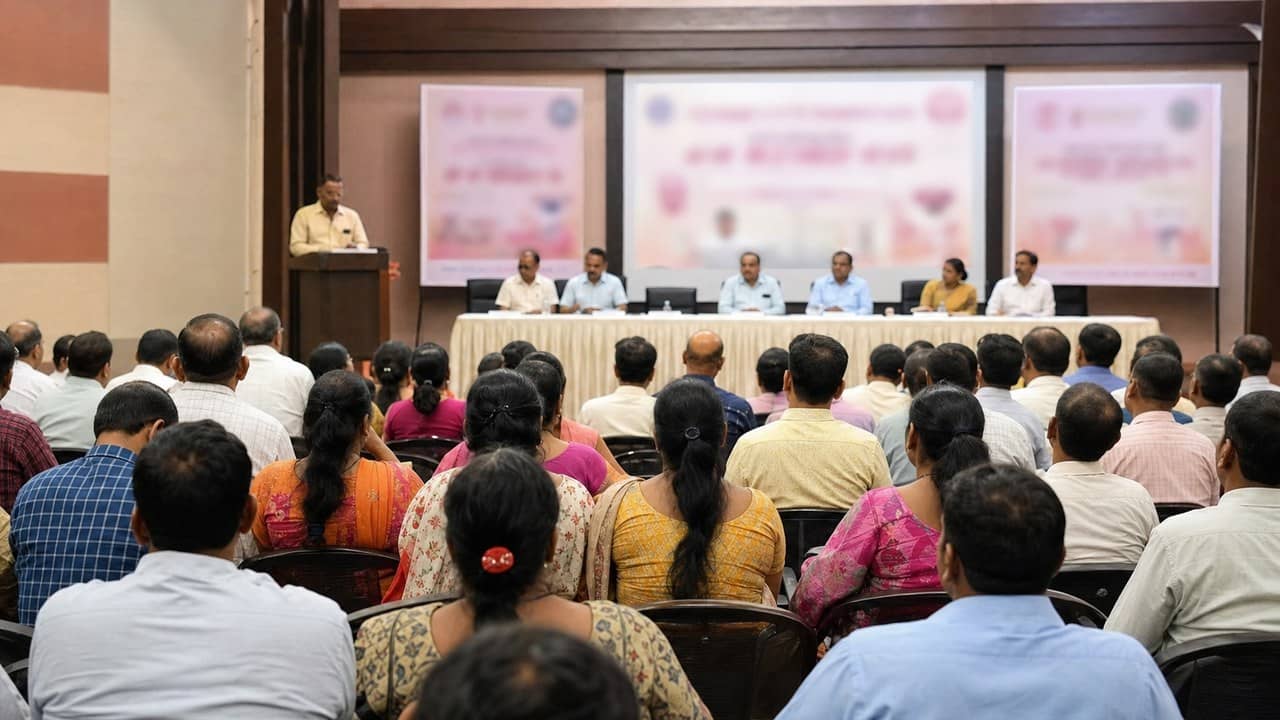
Varanasi, July 8, 2026: Chief Minister Yogi Adityanath launched the Mukhyamantri Shikshak Cashless Chikitsa Yojana at the Trade Facilitation Centre, also known as the Pandit Deendayal Handicraft Complex, in Varanasi.
The scheme has been presented as a major welfare step for the education sector. It is aimed at giving eligible teachers, Shiksha Mitras, cooks, education workers and their dependents access to cashless medical support of up to Rs 5 lakh. Permanent teachers are also expected to receive accidental insurance support of up to Rs 1 crore under the wider protection framework.
Key Details
The launch turned the earlier expectation around the July 8 programme into a confirmed welfare announcement. A July 5 preview on the expected Varanasi launch had noted that teachers were waiting for clarity on eligibility, cards, hospital access and claim procedures.
Under the confirmed programme, the government has sought to reduce the immediate financial pressure that education workers often face during sudden hospitalisation. Cashless health support can be especially useful for families that find it difficult to arrange large payments at short notice.
The inclusion of dependents is important because medical costs affect entire households, not only the earning member. For Shiksha Mitras, cooks and contractual education workers, the announcement also carries a message that school support staff are part of the broader education system.
Local Impact
Varanasi was the launch location, but the scheme has statewide relevance. Schools across Uttar Pradesh depend on teachers and support staff who work in different conditions, including rural blocks where access to advanced treatment may require travel to larger hospitals.
If implementation is smooth, the scheme can improve confidence among education workers and reduce the anxiety linked to emergency treatment. The practical benefit will depend on clear beneficiary lists, active cards or digital verification, hospital coordination and simple complaint handling.
Teachers' groups are likely to watch how quickly instructions reach districts and whether school-level staff receive easy guidance. A welfare scheme is strongest when the beneficiary knows exactly where to go and what to do before a medical emergency occurs.
What Happens Next
District education offices and school authorities are expected to share operational details with eligible workers. Beneficiaries will look for confirmation on registration, dependent coverage, hospital access, insurance processing and helpline support. The real test will be timely delivery beyond the launch stage.