Varanasi, July 4, 2026: The CM Teacher Cashless Medical Scheme is expected to be launched in Varanasi during Chief Minister Yogi Adityanath's likely visit on July 8.
The scheme is being watched closely by teachers and education staff because it may provide cashless medical treatment support of up to Rs 5 lakh. The benefit is expected to cover around 12,000-plus teachers and education employees connected with 10,145 schools.
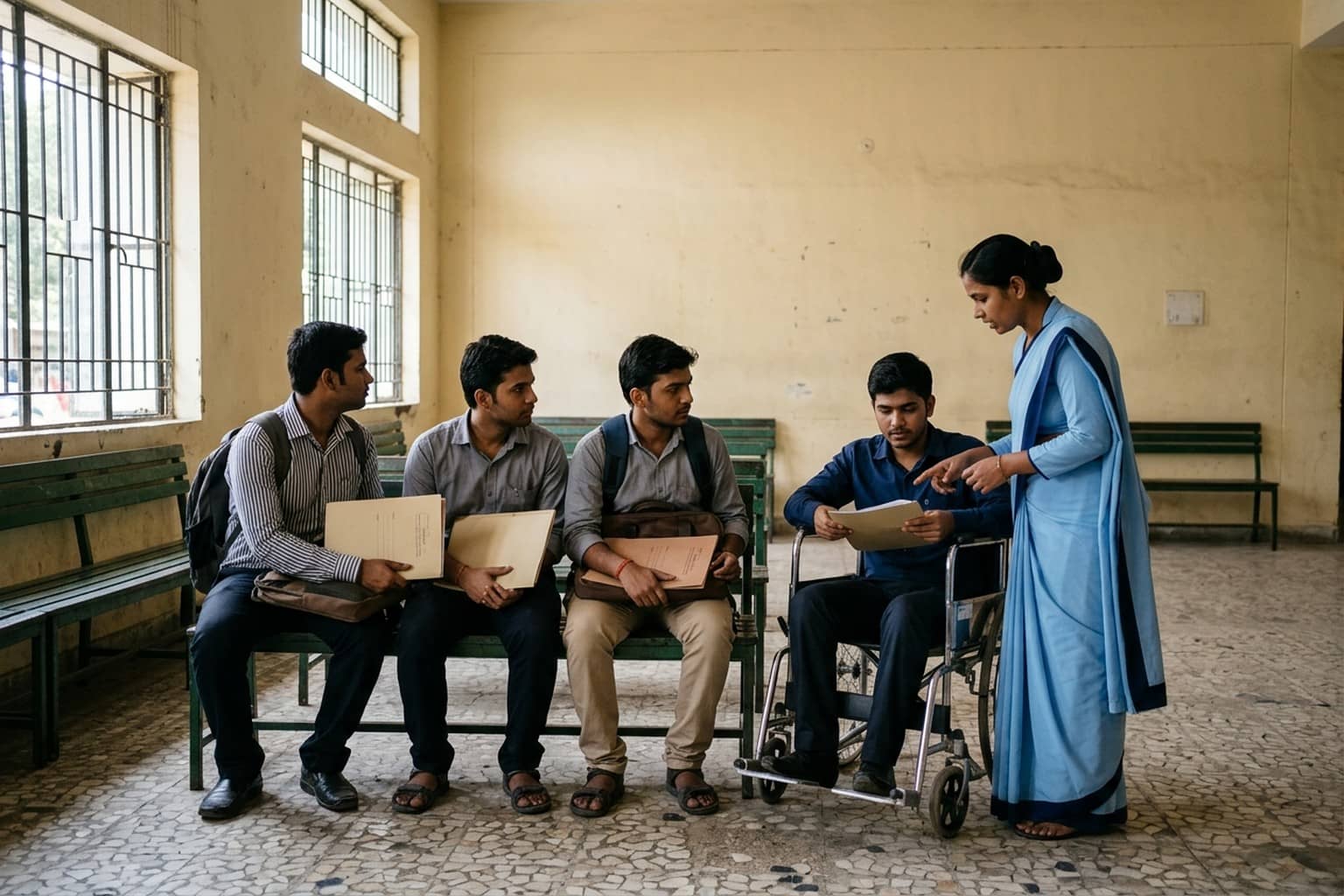
Officials are likely to present the scheme as a welfare measure for the education sector. Teachers often work across urban and rural schools, and many families face difficulty when sudden medical expenses arise. A cashless model can reduce the need for immediate payment at the time of treatment if hospitals, cards and claim systems are properly arranged.
The scheme is expected to be based on cashless health-cover systems where eligible beneficiaries can receive treatment through approved hospitals or linked processes. Final guidelines, hospital lists, card distribution and claim procedures will be important for smooth implementation.
Education staff in Varanasi and nearby areas will look for clarity on who is eligible, how names will be verified, whether dependents are included and how quickly cards or digital access will become active after launch. Without clear communication, even a useful scheme can lead to confusion at the time of medical need.
Because the launch is still expected, official confirmation and final details are awaited. If announced on July 8, the scheme could become a major welfare step for teachers and school employees, provided the benefits reach eligible staff without paperwork delays.
Teacher groups are expected to seek practical guidance after the announcement, especially on enrolment, hospital access and emergency use. A scheme may look strong on paper, but its value is tested when a beneficiary reaches a hospital and needs quick approval. The education department will therefore need help desks, clear circulars and district-level coordination so that teachers in smaller schools are not left behind.
If launched as expected, the scheme could also set a model for better welfare support across school networks. Teachers will look for simple procedures rather than complicated paperwork.
Schools will also need to update staff records so eligible names are not missed during enrolment.