NEW DELHI: responsAbility Investments AG says it has completed a follow-on investment in Battery Smart, one of India's larger battery-as-a-service platforms for electric two- and three-wheelers, according to a responsAbility press release dated 8 July 2026. The Swiss impact asset manager calls it the fourth transaction with Battery Smart in about 18 months, taking total committed capital across those deals to over $50 million.
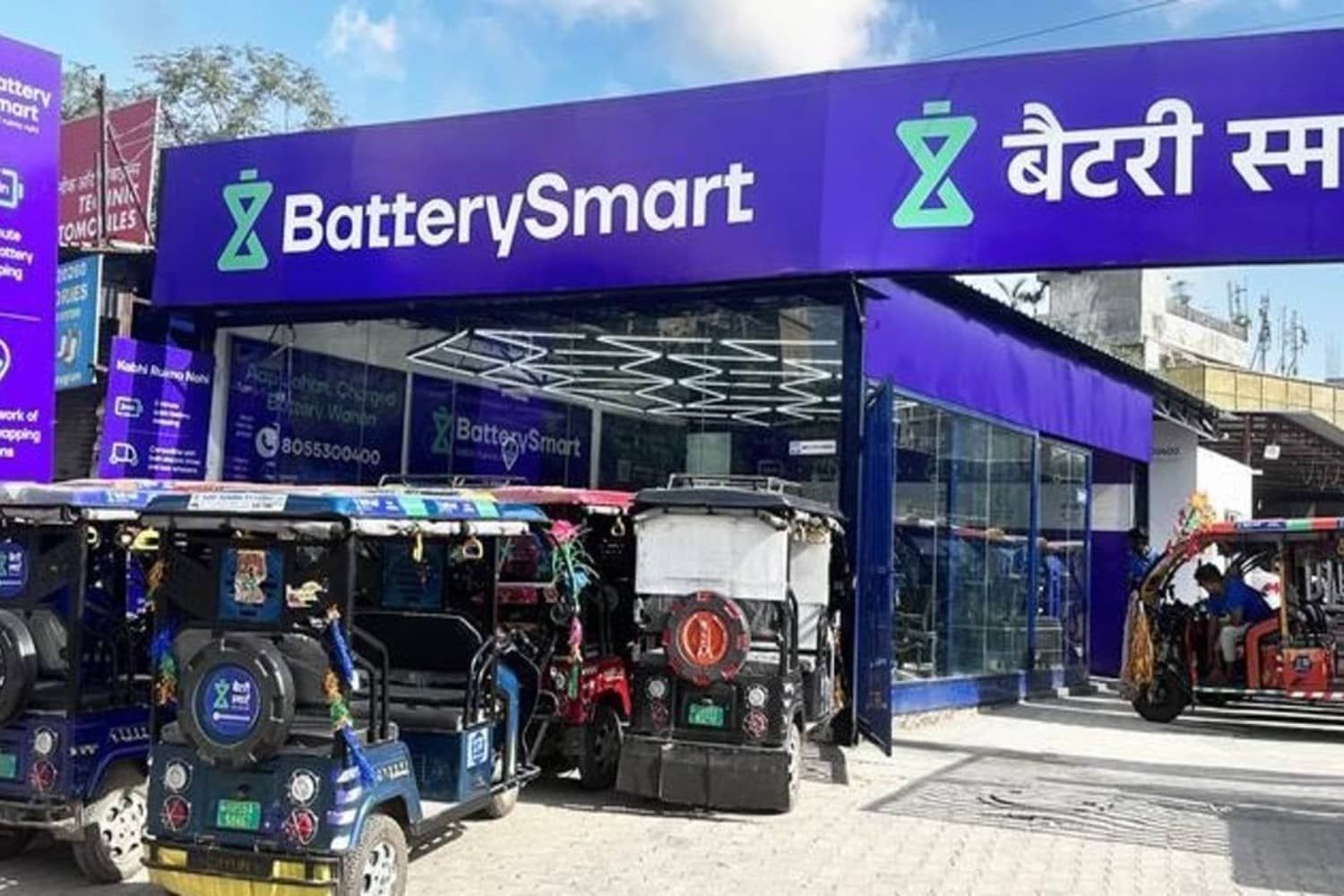
Battery Smart's model is battery swapping: drivers exchange a depleted pack for a charged one in minutes, instead of waiting on a charger or buying a costly fixed battery. The release says the platform addresses high upfront cost, thin charging infrastructure and downtime for drivers, especially in the informal and low-income segments.
Network scale cited in the release
As of the July note, Battery Smart operated more than 1,500 swapping stations across over 60 cities and served more than 100,000 active drivers, responsAbility says, adding that those operating figures come from the company. A short company profile in the same release puts stations at 1,500-plus and drivers at 60,000-plus across 60-plus cities, so readers should treat the two driver figures as company-reported snapshots that may refer to different definitions or dates.
Pulkit Khurana, Co-Founder and CEO, is quoted saying the financing helps build a more accessible and scalable swapping network. Kewal Shah of responsAbility says the network makes electric mobility more practical for drivers and fits the firm's climate infrastructure strategy in Asia.
Why the structure matters
This is debt and partnership capital from an impact manager, not a classic venture equity headline. For a network business that buys batteries and builds stations, follow-on private debt can fund inventory and sites without the same dilution as a large equity round. responsAbility says the investment sits inside a climate strategy that aims to avoid about 16 million tonnes of CO2 over the life of its assets, an estimate the firm attaches to a $500 million strategy size.
Battery Smart's public site lists hello@batterysmart.in and media@batterysmart.in. Founders named in the release are IIT Kanpur graduates Pulkit Khurana and Siddharth Sikka; the company began in 2019.
Related Dalimss EV reading includes Ola Electric's draft rights issue and the Simple Energy scooter line-up explainer. Swapping networks compete with and sometimes complement those vehicle makers' own charging stories.
Open questions
The release does not publish the exact dollar size of the latest tranche alone, Battery Smart's revenue, or utilisation per station. Drivers will judge the network by queue times, pack health and how many partner vehicles accept the same pack standard.
If swapping stays faster and cheaper than home charging for commercial two- and three-wheeler drivers, Battery Smart's station count is the metric to watch. The responsAbility follow-on is a signal that at least one long-horizon climate lender still likes that bet.
Battery swapping is operationally hard. Stations need charged inventory matched to vehicle standards, software that predicts demand by hour, and partners willing to host cabinets in dense neighbourhoods. A lender returning for a fourth transaction is effectively saying those operations look creditworthy enough to enlarge.
For drivers, the daily test is simpler: is a swap faster and cheaper than parking at a charger, and does the pack deliver the range promised on a hot afternoon with a full load. Network density in 60-plus cities helps on the first question. Pack health analytics will decide the second.
India's two- and three-wheeler EV push still splits between vehicles with fixed batteries and vehicles built for swap. Battery Smart sits on the swap side and needs OEM and retrofit partners that speak the same pack language. The responsAbility release does not name those vehicle partners. Watching which platforms stay compatible is as important as counting stations.
Climate lenders look at tonnes of CO2 avoided as carefully as they look at debt service. responsAbility ties Battery Smart to an Asia climate strategy with a multi-million-tonne avoidance ambition across the whole strategy, not for Battery Smart alone. Attribution at the company level is not spelled out in the July release, so readers should not treat the 16 million tonne figure as Battery Smart's personal scoreboard.
Still, four transactions in 18 months is an unusually tight cadence for private debt follow-ons. It suggests both growing capital need as stations multiply and enough performance data for the lender to stay comfortable. Media queries for Battery Smart can go to media@batterysmart.in on the company site.