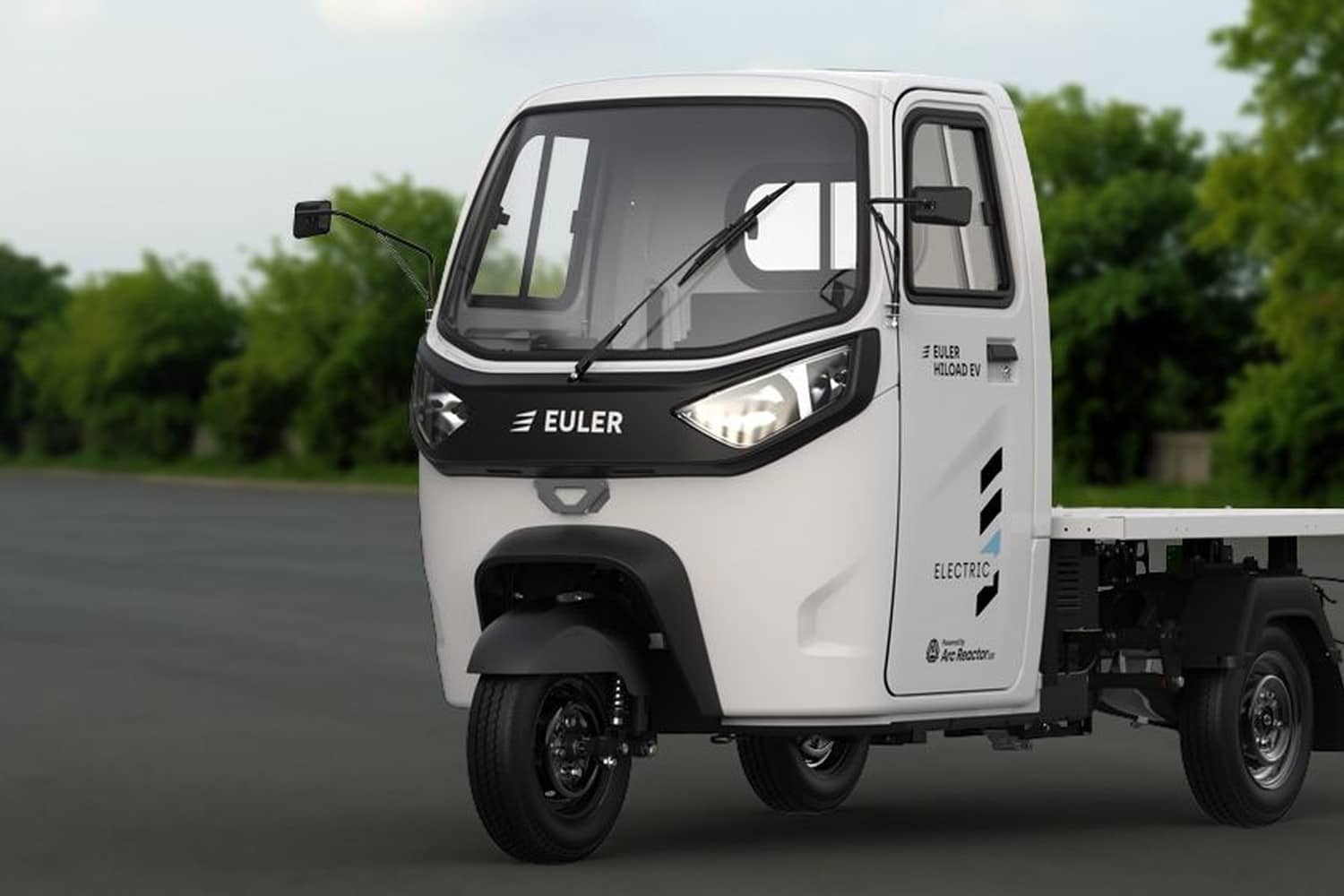
NEW DELHI: Euler Motors, the electric commercial vehicle maker, has raised $47 million in a round led by Lightrock, according to a Lightrock news note dated 24 March 2026. The investor page carries the headline and date; detailed use-of-proceeds figures are not expanded there.
Euler's own website positions the company around electric cargo vehicles for Indian commercial use. Product lines named on the site include the HiLoad EV three-wheeler, the Storm T1500 and the Turbo EV, with tools for dealers, test rides and a total-cost-of-ownership calculator aimed at fleet buyers.
What the company sells today
The site is built for operators who care about daily kilometres and monthly profit, not consumer SUV features. Pages let a buyer compare an Euler vehicle against diesel, petrol or CNG options under stated assumptions for daily run, ownership period and loan terms. Those calculators are marketing tools; real fleet results will vary with payload, route and electricity tariffs.
Customer care is listed at customercare@eulermotors.com, with separate toll-free lines for service complaints and new vehicle enquiries, Monday to Saturday. The corporate address printed in the footer is in Mohan Cooperative Industrial Estate, Badarpur, New Delhi.
Commercial EV demand in India is rising for last-mile delivery, but uptime and service density still decide who wins tenders. That is the frame in which a growth round led by a climate-focused investor such as Lightrock sits.
How this fits other EV coverage
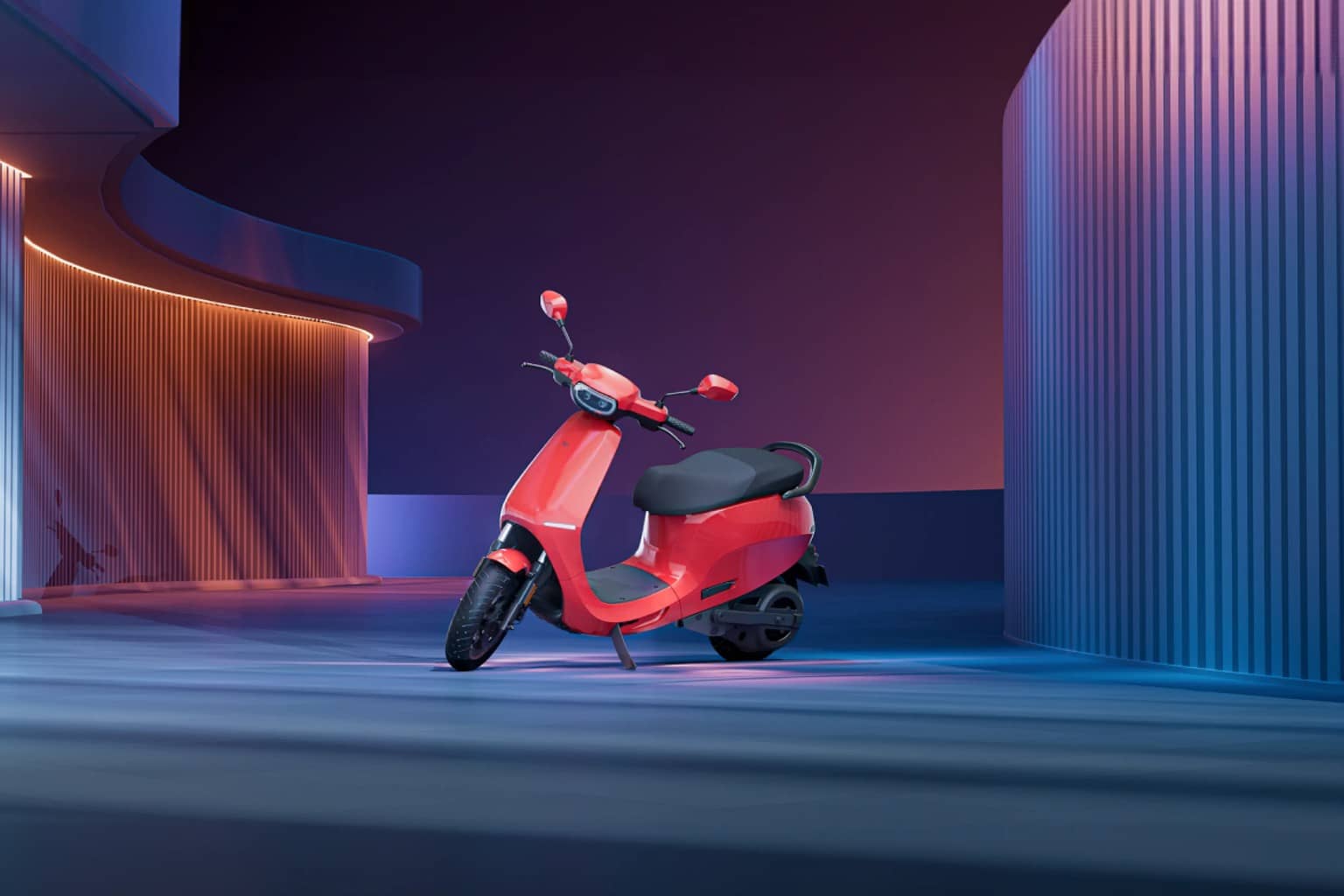
Dalimss has recently explained two-wheeler EV line-ups, including Simple Energy's Simple One, Ultra and Wave scooters and Ultraviolette's Tesseract scooter plans. Euler sits in a different lane: cargo three-wheelers and small commercial four-wheelers for goods, not personal scooters.
Lightrock's note confirms the lead and the dollar size. It does not, on the page reviewed, break out participating co-investors or an exact rupee figure. Readers should treat secondary round-ups with care and rely on company or investor primaries for amounts.
What to watch next
For fleet managers, the practical questions are delivery timelines, battery warranty terms, charger access and how quickly a downed vehicle returns to the road. For investors, the questions are manufacturing utilisation and whether cargo EV unit economics stay positive when subsidies change.
Euler's $47 million Lightrock-led round buys time and capacity. Whether that turns into durable market share will show up in monthly commercial EV registration data and in how operators talk about uptime, not in a single headline.
Commercial EVs live or die on total cost of ownership. Drivers and fleet owners compare EMI, electricity, downtime and payload against CNG and diesel three-wheelers they already understand. Euler's website tools try to make that comparison numerical. A Lightrock-led growth cheque suggests at least one climate investor believes those unit economics can scale beyond early adopter fleets.
Manufacturing depth is the other half of the story. Cargo EV demand is spiky around festival seasons and e-commerce peaks. Plants that cannot surge, or service networks that cannot cover broken vehicles in Tier-2 cities, lose operators quickly. Euler lists products across three-wheel and four-wheel cargo formats, which is a way to spread that risk across customer segments.
Public detail on the exact rupee size of the Lightrock round, and on who else participated, remains thinner on the investor page than in some secondary write-ups. This report sticks to the $47 million lead figure Lightrock published and to product names visible on Euler's own site. Fleet registration trends through 2026 will show whether the capital is landing as market share.
Service response time is where many commercial EV brands lose repeat buyers. A cargo operator who waits two days for a technician will switch back to CNG. Euler publishes toll-free service and enquiry numbers and invites test rides through the site. Those are table stakes; the differentiator will be how densely trained technicians sit relative to vehicle density in each city.
Lightrock's climate-and-energy framing also implies patience on profitability timelines, but not infinite patience. Delivery volumes, utilisation of the Palwal-class manufacturing story often told around Euler in secondary materials, and repeat fleet orders are the metrics that will matter in the next funding conversation. This article stays with what Lightrock and the company site state directly.