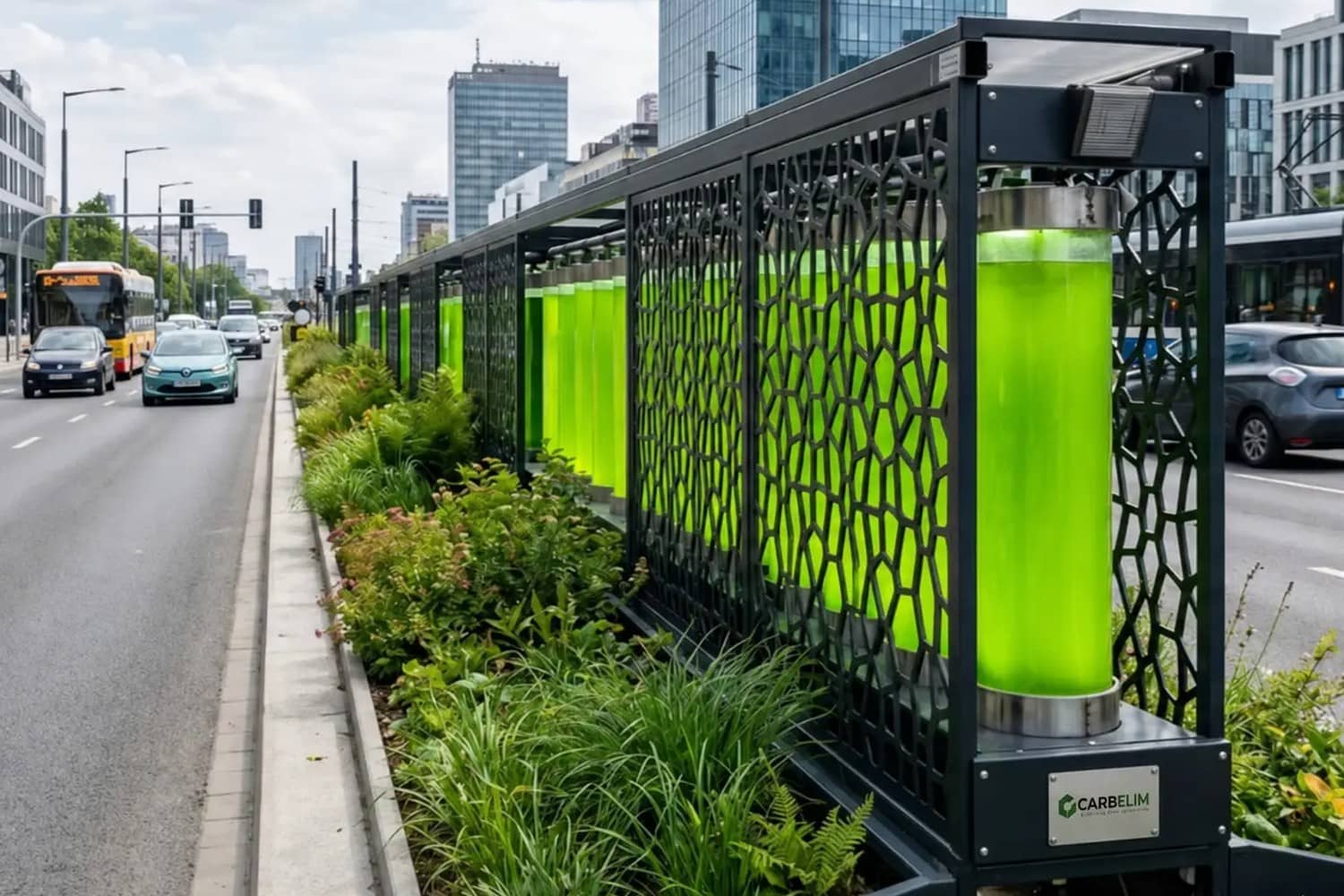
CHENNAI: Carbelim builds microalgae-based systems that capture carbon and purify air, aiming to turn building facades and urban infrastructure into living carbon sinks. The company's About page says it wants cities where buildings double as air-cleaning carbon sinks, with a stated goal of enabling 1 million tonnes of durable CO2 removal and storage by 2030.
Founder and CEO Dr. Karthika Gopi is described as a PhD with expertise in algal biotechnology. The team mix listed spans biotechnologists, environmental engineers, AIoT specialists and embedded engineers. Carbelim says it has filed 8 US patents and 6 Indian patents across its portfolio.
Products and deployments named
Named product lines include PureAir Tower, AirForest, XtraO2 photobioreactor systems, BioMimetic Facade (CBF) and Clean AirHub. Deployments described on the About page include a PureAir Tower along the Aerocity corridor on NH-48 in New Delhi, an AirForest unit at the IIT Madras Incubation Cell backed by Vivriti Capital CSR, a 1,000-litre photobioreactor at IndianOil's Faridabad R&D centre, and multi-unit systems prepared for Canada.
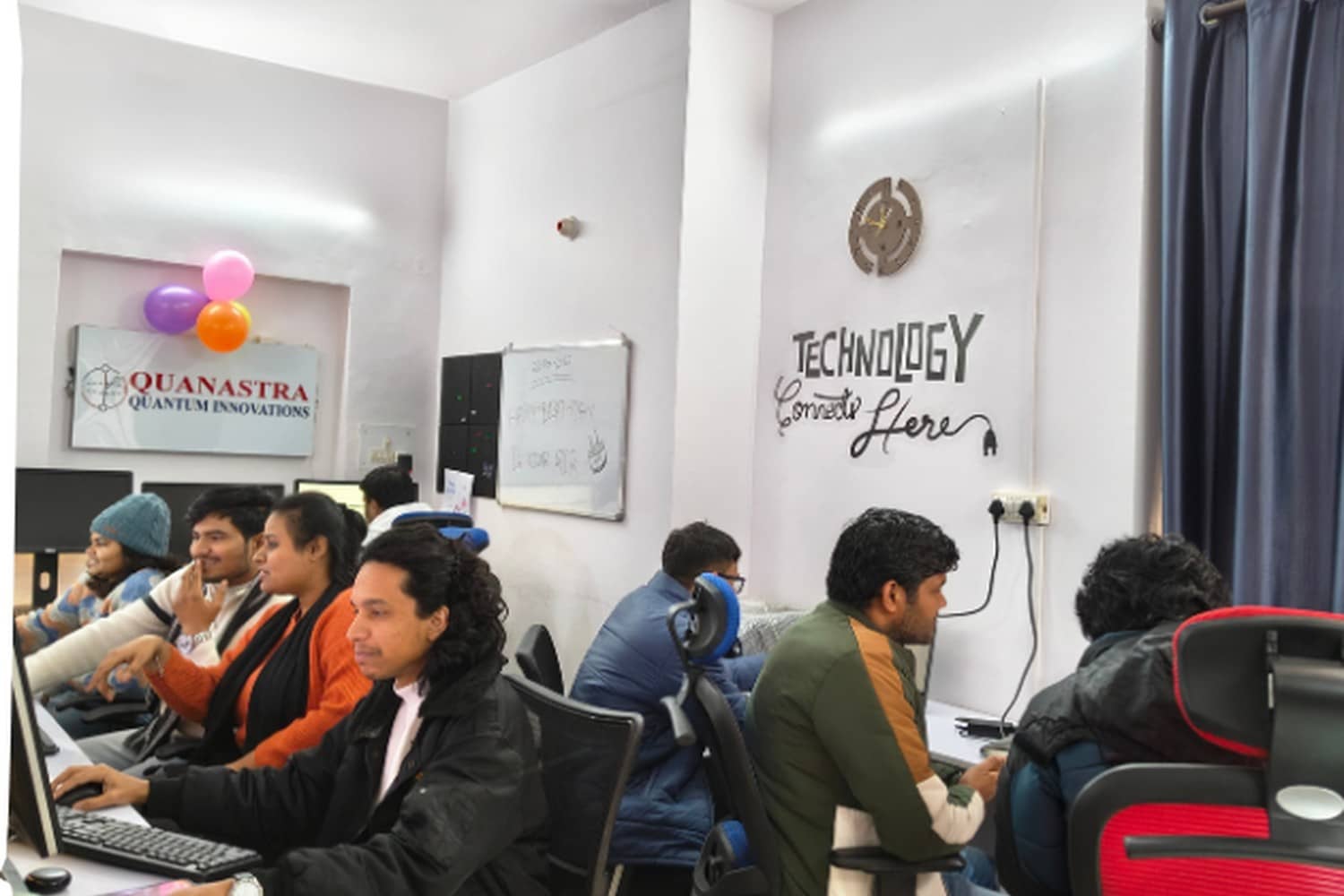
Carbelim also appears in Hathor Rockets' 26 September 2026 newsroom release as one of the first four companies in IITM Unicorn Frontier Fund I's inaugural set, with Hathor, Quanastra and TRIOLT Energy. That links the climate-tech firm to the same Sangam 2026 fund debut.
Recognition and contacts
The company lists a long string of accelerator and award nods, from MIT Solve semi-finalist status to AIC RAISE sustainability grant support and showcases at IVCA clean-air forums. Those are selection and pitch outcomes, not measured megatonnes removed. Contact email printed on the site is mail@carbelim.io.
Readers tracking climate and deep-tech on Dalimss can also read the IITM Unicorn Frontier Fund first-close story and EON Space Labs' payload explainer for other hardware bets coming out of Indian research ecosystems.
What still needs evidence
Urban algae systems have to prove uptime, maintenance cost, actual CO2 flux and whether cities will pay for them at scale. Carbelim publishes certifications such as CE and ISO marks on its About page, which speak to process quality more than climate impact accounting.
The company's public story is clearest where hardware is already installed: Delhi roadside, IIT Madras, IndianOil R&D. Those pilots are the right place for independent measurement. Until then, Carbelim is a patent-heavy climate hardware start-up with institutional backing and visible prototypes, not a finished city-scale carbon sink.
Nature-based urban hardware has a marketing problem and an engineering problem. The marketing problem is scepticism after years of vague green claims. The engineering problem is keeping algae healthy, lit, temperature-stable and free of contamination while a system sits beside traffic or inside a campus atrium. Carbelim's IoT monitoring language is aimed at the second problem: sensors on culture health and air metrics that can be shown to a facilities manager.
CSR and R&D deployments are a logical early path because they tolerate pilot pricing and produce case studies. Municipal procurement is slower and more demanding on maintenance contracts. If Carbelim wants the 2030 million-tonne ambition to be more than a slogan, city and industrial purchase orders have to follow the showcase units.
The Unicorn Frontier Fund cohort listing again signals deep-tech selection rather than a disclosed round size on Carbelim's own pages. Readers should separate three threads: what the machines are, where they are installed, and how much institutional capital sits behind them. Only the first two are richly documented on the About page today.
Patent counts are a weak proxy for impact, but they do show that Carbelim is trying to protect hardware and process IP rather than only software dashboards. Eight US and six Indian filings, if pursued to grant, could matter in export markets where copycat facade systems appear quickly.
Public showcases at sustainability forums help with brand. They do not replace multi-season performance data on outdoor units facing Delhi traffic dust and heat. The Aerocity and IIT Madras installations are the right places for that data to be gathered and, ideally, published with methodology.